A Guide to Sipping Mezcal the Right Way

A Guide to Sipping Mezcal the Right Way

The first mistake most people make with mezcal happens before the first sip. They treat it like a shot. If you have ever been handed a tiny glass and urged to throw it back with salt and lime, this guide to sipping mezcal is your reset. Good mezcal asks for a little patience, and it rewards that patience with smoke, earth, herbs, fruit, minerals, and a sense of place that is hard to find in any other spirit.

Mezcal is not one flavor. It is a category shaped by agave variety, terroir, roast, fermentation, distillation, and the hand of the producer. That is why sipping mezcal feels less like drinking a spirit and more like reading a landscape. One bottle may lean savory and green, another floral and bright, another rich with roasted agave and gentle campfire notes. The pleasure is in noticing those differences instead of rushing past them.

A guide to sipping mezcal starts with the glass

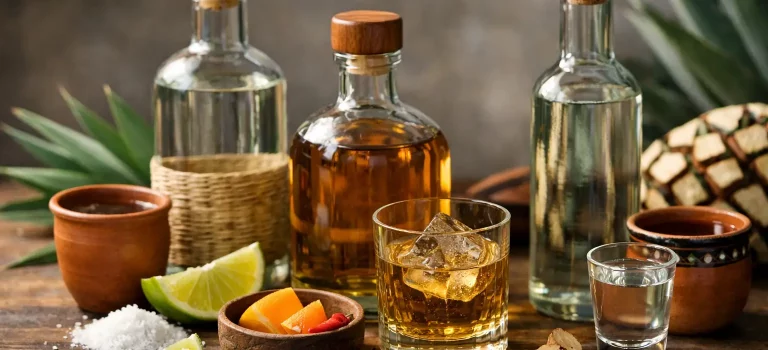
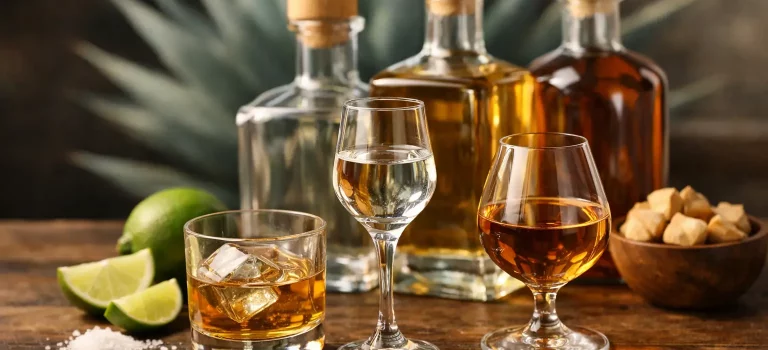
The ritual matters because it changes what you taste. A wide-mouthed copita, veladora, or small tasting glass lets aromas gather without forcing alcohol straight up at your nose. A narrow shot glass does the opposite. It emphasizes heat and hides nuance.

Pour a modest amount, enough to swirl gently. You do not need a heavy pour to understand a mezcal. In fact, smaller pours often help you focus. Hold the glass for a moment and notice the body of the spirit. Some mezcals cling slightly to the glass. Others look almost weightless. Neither is inherently better, but each is a clue.

If you are tasting in a guided setting, you may also hear about pearling, the small bubbles that form when mezcal is poured with a bit of height. Pearls can suggest texture and alcohol balance, especially in artisanal production, but they are not a shortcut to quality. Think of them as one part of the conversation, not the whole story.

How to smell mezcal without burning your palate

The nose is where many first-time drinkers get thrown off. They lean in too quickly, take a deep inhale, and catch a wave of alcohol that wipes out everything else. A better approach is to bring the glass toward your face gradually and smell with your mouth slightly open. Short, gentle sniffs reveal more than one aggressive breath.

Start a little above the rim. Then move closer. You may notice roasted agave first, then smoke, then subtler notes such as citrus peel, green herbs, wet stone, cocoa, tropical fruit, or even cheese rind. Yes, that can sound surprising, but mezcal is wonderfully expressive. Wild fermentation and traditional production can create aromas that are savory, rustic, and beautifully complex.

Smoke deserves special mention because it tends to dominate the conversation. In great mezcal, smoke is not the entire story. It should frame the spirit, not flatten it. If the only thing you can detect is ash, give it a minute in the glass and return to it. Air often opens the finer notes.

The first sip should be small

A practical guide to sipping mezcal always comes back to pace. Your first sip is not for judging. It is for acclimating. Take just enough to coat your palate and let it move across your tongue before swallowing. The point is not to prove toughness. The point is to let your mouth catch up to the spirit.

The second sip is where mezcal usually begins to speak more clearly. Sweetness from cooked agave may appear first, followed by acidity, salinity, spice, bitterness, or smoke. Some mezcals feel silky and composed. Others are wilder and more angular. Neither style is wrong. It depends on the agave, the production choices, and what you enjoy.

Pay attention to the finish. Does the flavor vanish quickly, or does it linger with mineral, peppery, earthy, or floral notes? A long finish often signals depth, though not always gentleness. Some exceptional mezcals are beautifully intense.

What you are actually tasting

Mezcal carries the imprint of its making. Agave variety is one of the biggest factors. Espadín is the most widely known and often offers an accessible entry point with roasted agave, fruit, herbs, and moderate smoke. Tobalá can be aromatic and layered, sometimes with floral or tropical notes. Tepeztate may feel more herbal, green, and strikingly complex. Cupreata, madrecuixe, and other agaves each bring their own shape to the glass.

Then there is production. Earthen pit roasting contributes the signature smoky character, but roasting style, fermentation vessel, water source, still type, and proof all influence the final profile. Clay pot distillation can create a softer, earthier texture. Copper stills may present flavors differently, sometimes with a cleaner edge. High proof can intensify aroma and structure, but a lower proof may feel more immediately approachable.

This is where context matters. If you say you do not like mezcal because one pour tasted too smoky, you may simply not like that mezcal. The category is too broad for one bad introduction to define it.

Should you add orange or sal de gusano?

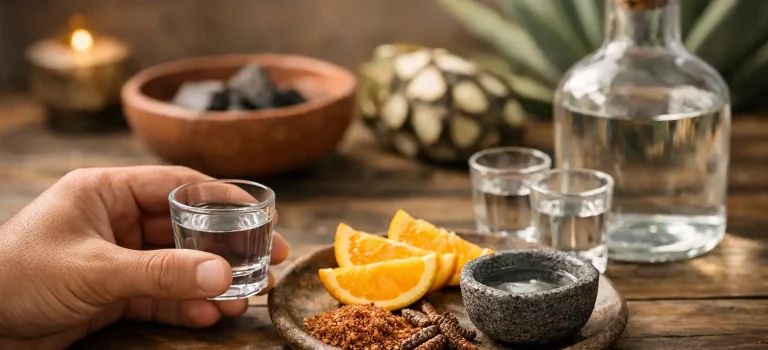
Sometimes yes, sometimes no. Traditional accompaniments can be a beautiful part of the experience when used thoughtfully. An orange slice can brighten the palate and highlight citrus or herbal notes in the spirit. Sal de gusano adds savory depth and contrast.

But these are accents, not disguises. If you reach for orange or salt after every sip, you may miss the mezcal itself. Taste it neat first. Then try a small bite of orange or a touch of salt and return to the glass. The shift can be revealing.

Food pairings can work the same way. Dark chocolate, roasted nuts, aged cheese, or local bites with spice and acidity can bring out different dimensions. The best pairings do not overpower the pour. They create a conversation with it.

Common mistakes people make when sipping mezcal

Temperature is one. Mezcal is usually best at room temperature. Ice can mute aroma and tighten the spirit, though a few drops of water may help open certain bottles, especially higher-proof expressions. If you add water, add very little and taste again.

Another mistake is chasing only smoke. Many newcomers assume the smokier the mezcal, the better the mezcal. That is not how serious tasting works. Balance matters more than intensity.

The last mistake is looking for one universal rule. Some mezcals are generous and easy on the first sip. Others need time in the glass. Some shine on their own. Others become extraordinary with thoughtful food. Part of the pleasure is learning that mezcal does not ask for rigid scripts. It asks for attention.

How to choose a bottle if you are new to mezcal

Start with an artisanal espadín from a producer who treats the category with respect. It is often the clearest introduction because it shows the signature of mezcal without making you decode an especially rare or challenging agave right away. Look for transparency about origin, agave, and production methods.

If you already enjoy peated Scotch, you may be tempted to choose the smokiest bottle on the shelf. Sometimes that works. Sometimes it sends you toward a mezcal that is all impact and little detail. A better path is a balanced expression with visible freshness, cooked agave sweetness, and a clean finish.

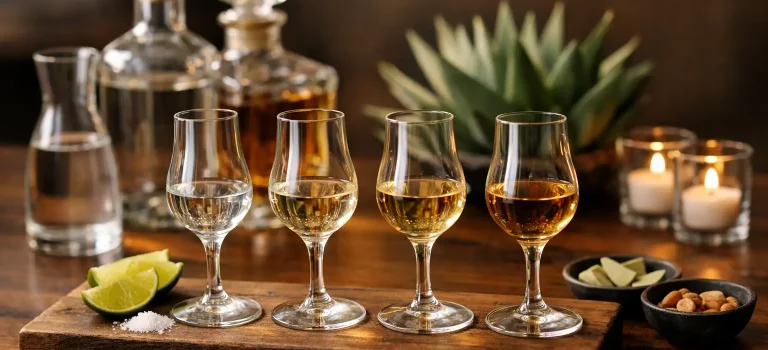
If you are curious and ready to compare, taste two or three styles side by side. That is where mezcal becomes memorable. The differences become obvious faster than they do when you taste one bottle in isolation. In a guided setting, this is often the moment when a casual drinker turns into a real enthusiast.

Why a guided tasting changes everything

Mezcal carries story in every step of production, and those details matter in the glass. When someone explains the agave, the roast, the fermentation, the still, and the region, flavors that seemed mysterious suddenly become legible. What felt like simple smoke becomes roasted agave, river stone, green pepper, cinnamon, wild herbs, or tropical fruit.

That is also why a curated tasting can save you from expensive guesswork. Instead of buying a bottle based on a label you like, you get to understand your own palate first. Maybe you prefer mineral and dry over fruity and lush. Maybe clay-distilled styles captivate you. Maybe rare agaves excite you, or maybe a beautifully made espadín is exactly your speed.

In a place like Santos Destilados, that kind of guidance turns mezcal from a souvenir into a memory with substance. You leave with better taste, not just a better bottle.

Mezcal does not reward hurry, and that is part of its charm. Give it a proper glass, a little air, and the courtesy of a slow first sip. The spirit will meet you there, one layer at a time.
How to Identify Additive Free Tequila

How to Identify Additive Free Tequila

A tequila can look luxurious on the back bar, pour like silk, and still tell you very little about what is actually in the bottle. If you want to know how to identify additive free tequila, you have to look past the heavy glass, the celebrity halo, and the soft vanilla perfume that so often signals manipulation more than craftsmanship.

That matters because tequila made without additives tends to show its origin with more honesty. You taste cooked agave, citrus, herbs, pepper, earth, mineral notes, and the imprint of fermentation, distillation, and barrel time. The profile may be vivid, even slightly wild, but that is often the point. For drinkers who care about authenticity, terroir, and the artistry of Mexican distillation, additive-free tequila is usually where the conversation gets interesting.

What additive free tequila actually means

In tequila, small amounts of approved additives can legally be used, especially to adjust flavor, texture, color, or perceived age. Producers may add sweeteners, glycerin, oak extract, or coloring and still sell the bottle as tequila. That surprises many people, especially those who assume a premium price automatically means a pure spirit.

An additive-free tequila is generally understood to be one that relies on agave, water, yeast, and barrel influence when aging is involved – not flavor corrections after the fact. The result is not always softer or sweeter. Often it is leaner, brighter, more peppery, more vegetal, or more expressive of the distillery’s method.

This is where nuance matters. Additive-free does not automatically mean better for every palate. Some drinkers genuinely prefer a rounder, dessert-like tequila. But if your goal is to taste the agave itself and understand what the category can do at its most transparent, additive-free bottles are worth seeking out.

How to identify additive free tequila on the label

If you are learning how to identify additive free tequila, start with a simple truth: most labels will not say much. In many cases, the front label is built to seduce, not educate.

That said, a few clues help. Some brands explicitly state that they are additive free. If they do, read the wording carefully. A clear statement is more useful than vague language like pure, natural, artisan, or handcrafted. Those terms can sound persuasive while revealing almost nothing about post-distillation adjustments.

The NOM number is another useful piece of information. This identifies the distillery where the tequila was produced. It does not prove that a tequila is additive free, but it helps serious drinkers compare brands coming from the same facility and look more closely at production patterns. When several labels from one distillery share a similar polished sweetness or texture, that can be revealing.

You can also pay attention to category statements such as Blanco, Reposado, or Añejo, then compare what is in your glass to what those categories usually taste like. A reposado with an intense cake frosting note or an añejo with syrupy pancake sweetness may be delicious, but those signals can suggest a profile shaped beyond barrel aging alone.

Taste is often the strongest clue

Labels can be coy. Your palate is harder to fool once you know what to look for.

A true additive-free blanco often opens with cooked agave first. Not candy, not cream soda, not birthday cake. You may also find black pepper, olive, citrus peel, mint, anise, wet stone, or green herbs depending on the region and production style. The finish is usually clean and persistent rather than glossy and confectionary.

With aged expressions, the picture gets more layered. Reposado and añejo can naturally show vanilla, caramel, baking spice, and toasted oak because barrels contribute those notes. The question is whether those flavors feel integrated or exaggerated. If the tequila smells like marshmallow syrup, artificial butterscotch, or dessert topping while the agave disappears completely, additives may be playing a role.

Texture matters too. Additive-free tequila can feel silky, but it rarely feels unnaturally thick. A slick, glycerin-heavy mouthfeel that coats the palate in a way more typical of liqueur than spirit is worth noticing.

The finish is another tell. Additive-driven sweetness often lands fast and fades into a simple sugary impression. Additive-free tequila usually evolves more. You get agave, spice, minerals, herbs, oak if applicable, then a lingering finish that keeps changing as you breathe.

Production clues that point toward authenticity

The best way to understand tequila is to connect flavor with process. When you know how a spirit was made, its profile makes more sense.

Traditional and lower-intervention methods often align with additive-free producers, though not always. Slow cooking in brick ovens, tahona or roller mill extraction, natural or longer fermentation, copper distillation, and careful barrel management can all produce tequilas with strong character that do not need cosmetic adjustments.

By contrast, highly industrial production can sometimes create a spirit that producers later feel compelled to smooth out, darken, sweeten, or standardize. Diffusers, rapid processing, and aggressive efficiency are not automatic proof of additives, but they are part of the broader conversation. The point is not to romanticize every old method or condemn every modern one. It is to notice whether the final tequila tastes like a living agricultural spirit or a designed flavor profile.

If a brand is transparent about cooking method, fermentation, still type, and maturation, that is usually a good sign. Producers proud of their process tend to talk about it with specificity.

Why premium packaging can mislead shoppers

Travelers shopping in a destination market often encounter beautiful bottles first and information second. Tequila brands know this. Weighty glass, ornate stoppers, dark labels, and luxury cues can create a sense of seriousness even when the liquid leans heavily on sweetness and cosmetic polish.

That does not mean every elegant bottle hides additives. It means packaging is not evidence. A humble bottle can hold a remarkable tequila, and a dramatic decanter can hold something engineered for immediate mass appeal.

This is especially relevant if you are buying a gift or choosing a bottle after a tasting. The safest move is to ask direct questions about production and flavor profile instead of assuming prestige equals purity.

The best way to learn how to identify additive free tequila

Side-by-side tasting changes everything. Once you compare a likely additive-free blanco with a sweeter, manipulated one, the category opens up quickly.

Taste them neat in the same setting. Start with aroma before sipping. Ask yourself whether you smell agave first or dessert notes first. Then focus on texture, sweetness level, and finish. Does the tequila feel alive and layered, or plush and simplified? Does the aroma match what you taste, or does it seem oddly perfumed?

This is where a guided tasting has real value. In a thoughtful setting, with expert context and a lineup curated for contrast, you can train your palate in one sitting rather than spending months guessing from bottle to bottle. At Santos Destilados, that educational piece is part of the pleasure – not a lecture, but a richer way to enjoy what is in the glass.

A few smart questions to ask before you buy

When you are in a tasting room or premium bottle shop, ask how the tequila is cooked, whether the producer states it is additive free, and what tasting notes should come from agave versus barrel or finishing influence. Ask for the NOM. Ask what the finish is like. Ask whether the house recommends it for someone who wants a more traditional agave-forward style.

A good guide will answer with confidence and detail. If the response stays at the level of smooth, sweet, premium, and easy to drink, you may not be getting the full story.

The real goal is not purity for its own sake

Learning how to identify additive free tequila is not about policing other people’s preferences. It is about becoming a sharper, more joyful drinker. Once you recognize agave in its truest form, you begin to notice the landscape behind it – red volcanic soils, highland sweetness, valley earthiness, fermentation character, oak restraint, and the quiet decisions that shape a bottle long before it reaches your glass.

That kind of knowledge makes travel more rewarding, tasting more memorable, and buying more personal. The next time a tequila charms you with color, softness, or a luxurious bottle, pause for a second sip and ask a better question: am I tasting adornment, or am I tasting agave?

How Tequila Tasting Works

How Tequila Tasting Works

The first sip usually tells you less than the first aroma.

That surprises a lot of people. Many visitors arrive expecting tequila tasting to be about taking a shot, feeling the heat, and deciding whether they like it. But that is not how tequila tasting works when the goal is to understand what is in the glass. A proper tasting slows everything down so you can notice origin, craftsmanship, texture, and the small details that separate a decent pour from a remarkable one.

Tequila deserves that kind of attention. It is one of Mexico’s most recognized spirits, yet it is still often misunderstood, especially by travelers who have only met it in cocktails or party settings. When tasted with care, tequila reveals cooked agave, minerality, pepper, citrus, herbs, oak, and even a gentle sweetness that has nothing to do with added sugar in the moment and everything to do with raw material, production choices, and aging.

How tequila tasting works in practice

A guided tasting usually follows a simple rhythm: look, smell, sip, evaluate, and compare. That sounds straightforward, but each step changes the way you experience the spirit.

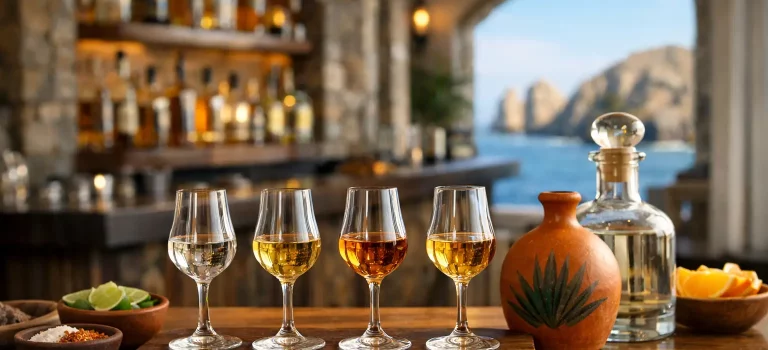
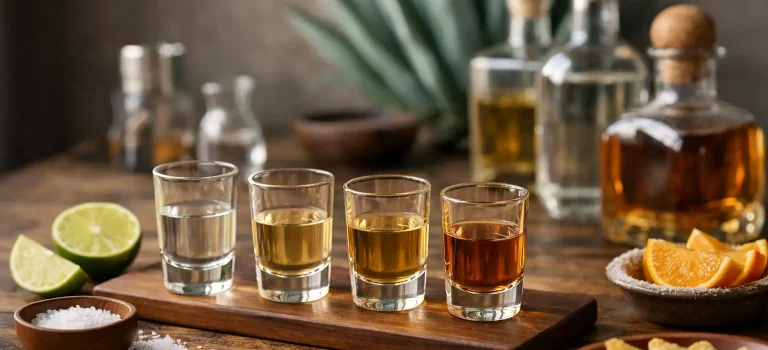
The first thing you notice is appearance. Color can hint at aging, but it does not tell the whole story. A blanco may look crystal clear and deliver tremendous complexity. A reposado may show pale straw tones from time in oak, while an añejo can move deeper into gold or amber. Clarity matters too. A clean, bright tequila often signals thoughtful handling.

Then comes aroma, and this is where the tasting truly begins. Instead of plunging your nose deep into the glass, bring it close gradually. High-proof alcohol can numb your senses if you rush. A good taster takes short, gentle passes and notices what rises first. In a blanco, that may be roasted agave, black pepper, lime peel, wet stone, or fresh herbs. In aged expressions, vanilla, baking spice, toasted oak, caramel, and dried fruit may appear, though the best examples still keep agave at the center.

The sip itself should be small. Let it coat the palate. A well-made tequila is not only about flavor but also about texture. Some feel bright and crisp. Others feel round, silky, or weighty. The finish matters as much as the entry. Does the flavor disappear quickly, or does it stay with notes that evolve over several seconds? That lingering impression often says a great deal about quality.

The categories shape the tasting

If you want to understand how tequila tasting works, it helps to know that the category in your glass changes what you should expect. Tequila is not one single flavor profile.

Blanco is the clearest expression of agave and distillation. It is often the best place to start because there is nowhere to hide. You can taste the character of the blue agave itself, the fermentation, and the decisions made in the still. A strong blanco may show bright citrus, pepper, olive, mineral notes, or earthy sweetness.

Reposado spends time in barrel, usually softening the edges and adding gentle oak influence. Here the tasting becomes a balance question. Is the barrel adding warmth and spice without burying the agave? The best reposados feel integrated rather than overly woody.

Añejo and extra añejo move further into the world of aging. These expressions can be elegant and layered, but they also invite a trade-off. More barrel time can create beautiful notes of cacao, vanilla, tobacco, or dried fruit, yet too much oak can pull the spirit away from its agave soul. A thoughtful tasting pays attention to whether the tequila still tastes like tequila.

Aroma is where confidence begins

Most people worry about saying the wrong thing in a tasting. They should not. The point is not to perform expertise. The point is to pay attention.

Aroma gives you a practical way in. Start broad. Does it smell fresh, sweet, herbal, spicy, earthy, or woody? Then get more specific if you can. Maybe that sweetness feels like cooked agave, honey, or vanilla. Maybe the herbal note reminds you of mint, sage, or cut grass. There is no prize for the fanciest descriptor. Clear, honest observations are more useful than dramatic ones.

This is one reason guided tastings are so valuable. When an expert explains what to look for, guests often realize they are detecting more than they thought. Vocabulary follows experience. Once you have smelled a few side by side, the differences become much easier to trust.

Your palate is judging more than flavor

A serious tasting is not a hunt for a favorite note. It is a way of reading structure.

Balance is one part of that structure. Alcohol, sweetness, acidity, spice, and oak should feel in harmony. Intensity is another. Some tequilas whisper. Others announce themselves immediately. Neither style is automatically better, but the intensity should feel purposeful rather than harsh.

Texture matters more than many first-time tasters expect. A tequila can be creamy, lean, oily, crisp, or almost airy. That mouthfeel changes the emotional character of the spirit. Two tequilas with similar aromas can feel completely different once they hit the palate.

Then there is the finish. A short finish is not always a flaw, but a refined tequila often leaves a memorable trail. You may first notice pepper, then cooked agave, then a mineral snap, then a touch of oak. That progression is part of the pleasure.

Context changes what you taste

Temperature, glassware, and pacing all influence the experience. Tequila served too cold can mute aroma and flatten flavor. A proper tasting pour is usually served at a moderate temperature so the spirit can speak clearly.

The glass matters too. A narrow opening helps concentrate aromas, while a wide shot glass tends to emphasize alcohol over nuance. And pacing is essential. Taste too quickly and everything starts to blur. Leave a little space between pours, revisit the first glass, and notice how it opens over time.

Food can also shape perception. Small pairings, especially thoughtful ones, can pull out hidden notes in a tequila. A piece of artisan chocolate may highlight spice and roasted character. A savory bite can sharpen minerality or citrus. The pairing should support the spirit, not overwhelm it.

What a guided tasting adds

The difference between drinking tequila and tasting it is context. That is where a curated experience changes everything.

In a premium tasting room, you are not only sampling pours. You are learning why one tequila shows more cooked agave, why another feels brighter or softer, how distillation affects texture, and how aging can either enhance or mask character. You may also encounter details most casual drinkers never hear about, from production methods to visual clues like pearling, the bubble structure that can reveal something about body and alcohol content.

That context becomes even more meaningful when tequila is presented alongside other Mexican spirits. Tasting it next to mezcal, raicilla, sotol, bacanora, or pox makes its identity more vivid. You begin to understand tequila not as an isolated spirit, but as part of a broader and deeply regional tradition of Mexican distillation.

For travelers in Cabo looking for more than a generic tasting flight, that shift matters. Santos Destilados approaches tequila as both pleasure and cultural expression, with guided tastings that connect the glass to craft, place, and the flavors of Mexico.

How to taste tequila better, even as a beginner

The best approach is simple: slow down, compare, and stay curious. Start with a blanco if you want to understand agave clearly. Taste it next to a reposado or añejo and notice what oak changes. Smell before each sip. Take a second sip before making up your mind. The first one wakes up the palate. The second often tells the truth.

It also helps to release the idea that smoother always means better. Some tequilas are naturally vivid, peppery, or earthy, and that character is part of their beauty. A spirit that feels alive can be more interesting than one that feels polished into anonymity.

If something tastes unusual, pause before dismissing it. Mineral notes, salinity, herbs, and savory elements can be signs of personality rather than flaws. The more you taste, the more those details become the reason you remember a bottle.

Tequila tasting works best when you treat it less like a test and more like a conversation. The spirit offers clues. Your job is to notice them. Once you do, the experience opens into something richer than a drink – a story of agave, technique, region, and the quiet thrill of discovering what was there all along.

Mexican Spirits Guide for Curious Drinkers

Mexican Spirits Guide for Curious Drinkers

You can tell a lot about a bottle before the first sip. The aroma rising from the glass, the texture that clings to the rim, even the tiny pearls that briefly form on the surface can hint at craft, origin, and character. That is exactly why a proper Mexican spirits guide matters. These are not interchangeable vacation pours. They are distinct expressions of land, tradition, technique, and regional identity.

For many visitors, the first surprise is how much exists beyond tequila. Mexico’s distilling heritage is far broader, and once you understand the categories, tasting becomes far more rewarding. Instead of asking which bottle is strongest or smoothest, you start asking better questions: Which agave was used? Was it roasted underground or steamed in an oven? Was it distilled in copper, clay, or stainless steel? Those details shape everything in the glass.

A Mexican spirits guide starts with origin

The simplest way to understand Mexican spirits is to begin with place. Geography is not a footnote here. It is the framework. Climate, soil, altitude, water source, local yeast, and regional methods all leave their mark.

Tequila comes from a regulated denomination of origin and must be made primarily in Jalisco, with a few approved municipalities in other states. It must use Blue Weber agave, and if the label reads 100% agave, every fermentable sugar must come from that plant. That gives tequila a tighter definition than many travelers expect, but it also creates room for enormous stylistic range.

Mezcal is also protected by denomination of origin, yet it is broader in material and flavor. It can be made from many agave varieties and in several states, most famously Oaxaca. If tequila often shows a more focused botanical line, mezcal can feel wilder, earthier, smokier, greener, or more floral depending on species and process.

Then there are the categories that still surprise seasoned spirits drinkers: sotol from the desert spoon plant rather than agave, raicilla from western Mexico with styles that range from bright to deeply savory, bacanora from Sonora with a dry, desert-toned profile, and pox from Chiapas, traditionally made from corn, cane, and wheat. Grouping them all together as “Mexican liquor” misses the point. Each one tells a different story.

Tequila is precise, not simple

Tequila’s global fame can make it seem familiar, but familiarity often hides nuance. Good tequila is not just clean and easy to drink. It is layered. In a well-made blanco, you might find roasted agave, citrus peel, white pepper, olive, herbs, and minerality. A reposado can soften those edges with vanilla, baking spice, and light oak, while an añejo or extra añejo may lean toward caramel, dried fruit, cacao, and toasted wood.

The trade-off is that barrel aging can either add elegance or cover the agave, depending on the producer’s hand. If you want to understand the raw identity of tequila, start with blanco. If you prefer a bridge from whiskey or cognac into agave spirits, a well-balanced reposado or añejo can be an inviting place to begin.

Production matters here as much as age. Autoclaves, brick ovens, tahona milling, roller mills, open-air fermentation, and distillation choices all affect the final profile. Two blancos from different houses can feel worlds apart, even though they share the same agave species.

Mezcal rewards attention

Mezcal is often reduced to smoke, which is like reducing wine to acidity. Smoke may be present, especially when agave hearts are roasted in underground pits, but it is only one note. A thoughtful mezcal can show tropical fruit, wet stone, fresh herbs, leather, green pepper, wildflowers, or a salty, almost broth-like depth.

The agave species changes the conversation immediately. Espadín is the most common and often the most accessible, but tobala, tepeztate, cuishe, madrecuixe, and many others can bring strikingly different aromas and textures. Some are exuberantly floral. Others are intensely mineral or savory. Some feel silky and composed, while others arrive with a vivid, electric edge.

That variety is part of mezcal’s beauty, but it also means there is no single “best” bottle for everyone. A guest who loves peated Scotch may gravitate toward a more assertive expression, while someone who enjoys gin’s botanicals might be captivated by a mezcal with herbal lift and delicate fruit. The pleasure comes from matching style to palate, not chasing the loudest profile.

Beyond tequila and mezcal

Sotol

Sotol deserves far more attention than it gets. Made from dasylirion, a plant native to northern Mexico, it often carries a profile that feels desert-born: dry herbs, pepper, pine, earth, and a crisp, lifted finish. It can be less overtly smoky than many mezcals, though style varies by producer and region. For drinkers who want something structured, aromatic, and distinctly northern, sotol is a fascinating category.

Raicilla

Raicilla has a beautiful unpredictability to it. Produced mainly in Jalisco, often in either mountain or coastal styles, it can move from bright citrus and green agave notes to funkier, richer, almost tropical or cheese-rind complexity. That range is exactly why guided tasting helps. Raicilla can charm you or challenge you, and often it does both in the same glass.

Bacanora

Bacanora, from Sonora, tends to feel lean, direct, and sunlit. Expect vegetal notes, pepper, and dry earth, sometimes with subtle smoke but often less of it than newcomers assume. It is a spirit with tension and focus. If tequila is polished conversation and mezcal is layered storytelling, bacanora can feel like a clear, confident statement.

Pox

Pox is the category that surprises many visitors the most. Traditionally made in Chiapas from combinations of corn, cane, and wheat, it stands apart from agave spirits entirely. Depending on the producer, it can show soft sweetness, grain character, spice, and a warming, rustic depth. It is less about smoke and more about heritage, ceremony, and regional identity.

How to taste with more confidence

A good Mexican spirits guide should help you taste, not just memorize terms. Start by nosing the spirit gently with your mouth slightly open. That softens the alcohol and lets subtler aromas rise. Take a small sip first. Let it move across your palate. Then take a second sip, because the second is usually the honest one.

Notice texture as much as flavor. Some spirits feel oily and rich. Others are bright, lean, and quick. Watch how the finish develops. Does it fade cleanly, linger with spice, or open into sweetness and minerality? If you see pearling when the spirit is poured or lightly agitated, pay attention. Those bubbles can offer clues about body, alcohol integration, and traditional production, though they are one sign among many, not a verdict on quality by themselves.

Food can change your reading of a spirit completely. A piece of dark chocolate may draw out cacao and dried fruit in an aged tequila. Citrus or a small savory bite can sharpen herbal notes in mezcal or sotol. Pairing is not decoration. It is another lens.

What labels tell you, and what they do not

Labels matter, but they are not the whole story. “100% agave” is meaningful in tequila. Region and category certifications are meaningful too. Still, two bottles with similar official credentials may taste dramatically different because of harvest age, fermentation, water, still type, or blending decisions.

Price is not a perfect shortcut either. Rare agaves, low yields, and small batches can justify a premium, but cost alone does not guarantee depth or balance. Sometimes the most memorable pour in a tasting is not the oldest or most expensive bottle. It is the one with the clearest sense of place.

For travelers in Cabo who want more than a generic tasting flight, this is where an intimate, expertly guided setting becomes valuable. A curated experience can put tequila, mezcal, sotol, raicilla, bacanora, and pox side by side and explain why each one behaves differently in the glass. At Santos Destilados, that difference is treated with the seriousness it deserves and the warmth it invites.

The best bottle depends on the moment

There is no final ranking that settles the question of which Mexican spirit is best. A mineral blanco tequila before dinner, a layered mezcal with chocolate after sunset, a raicilla that sparks conversation, or a pour of pox that opens a door into regional tradition – each has its moment.

The real pleasure is learning to recognize what you are tasting and why it tastes that way. Once that clicks, the bottle becomes more than a souvenir. It becomes a memory of place, craftsmanship, and the people who keep these traditions alive. If you give yourself the chance to taste with curiosity instead of hurry, Mexico will always have another remarkable pour waiting for you.

Walk In Tequila Tasting in Cabo

Walk In Tequila Tasting in Cabo

Some of the best tasting experiences in Cabo are the ones you did not plan three weeks ahead. You finish dinner, wander through downtown, and realize you want something more memorable than another quick margarita. That is exactly where a walk in tequila tasting becomes appealing – spontaneous, refined, and far more revealing than a crowded bar pour.

For travelers who care about what is in the glass, tequila is not just a vacation drink. It is an agricultural product, a regional identity, and, when presented well, a surprisingly layered spirit. A good tasting turns a familiar name into a deeper understanding of agave, cooking methods, fermentation, distillation, aging, and why one bottle feels bright and mineral while another leans rich, floral, or peppery.

Why a walk in tequila tasting works so well in Cabo

Cabo is full of last-minute decisions. A beach day runs long. A dinner reservation ends early. Friends in your group want something elevated, but not overly formal. In that setting, a walk in tequila tasting makes practical sense because it lets you step into an experience without building your schedule around it.

That convenience matters, but it is not the whole story. The real advantage is access. Instead of settling for a generic tasting flight poured with little context, you can move straight into a guided experience that explains what separates mixto from Tequila 100% Blue Agave, how terroir shows up in aroma, and why production choices shape the finish on the palate.

For many visitors, that difference is the line between simply drinking tequila and actually meeting it.

What to expect from a walk in tequila tasting

Not every tasting labeled tequila is worth your time. Some are designed to move crowds through quickly, with sugary liqueurs, loud sales tactics, and little substance behind the presentation. A premium tasting should feel more intimate than transactional.

When the experience is curated well, it begins with orientation. You are not just handed glasses. You are guided through where tequila comes from, what makes blue agave distinct, and how the spirit moves from piña to bottle. Depending on the tasting, you may also encounter neighboring categories such as mezcal, raicilla, sotol, bacanora, or pox. That broader context helps visitors understand tequila as part of a larger Mexican distilling tradition, not as an isolated export category.

Then comes the sensory part, which is where the experience becomes memorable. You look at color and clarity. You nose the glass before sipping. You notice texture, sweetness, spice, herbs, earth, fruit, and minerality. In a serious tasting, the host may also introduce concepts like pearling – the bubble structure that can reveal clues about alcohol content and texture in certain traditional spirits. These details give the tasting its sense of craftsmanship.

The setting matters too. A polished, welcoming room changes the pace. You are more likely to ask questions, compare notes, and stay curious. That is especially valuable for travelers who want a premium experience without the stiffness that sometimes comes with luxury.

The difference between a tasting and a tequila shot

A shot asks almost nothing from tequila except impact. A tasting asks you to pay attention.

That distinction is important because many American travelers arrive with a narrow picture of tequila shaped by college memories, resort cocktails, or mass-market brands. Once you taste tequila slowly, in proper sequence, those assumptions tend to fall away. Blanco can be vivid and expressive rather than harsh. Reposado can show restraint instead of obvious oak. Añejo can feel elegant, but it can also lose some agave character if wood takes over. None of these styles is automatically better than the others. It depends on what you value.

That is one reason guided tastings are so useful. They help you identify preference instead of chasing prestige. Some guests discover they love the clean, vegetal energy of a well-made blanco. Others are drawn to the soft spice and rounded body of reposado. Collectors may gravitate toward limited releases or small-lot expressions with unusual production stories. The point is not to memorize tasting notes. It is to develop a palate with confidence.

How to tell if the experience is truly premium

A premium walk in tequila tasting should feel curated from the first pour to the last. The spirit selection is the clearest signal. If every bottle is easy to find in an airport store, the experience may be pleasant, but it probably will not be distinctive. If the lineup includes small-batch labels, harder-to-source producers, or bottles with strong regional identity, you are in better hands.

The host matters just as much. Expertise is not about reciting facts in a stiff voice. It is about translating production into flavor in a way that feels welcoming. A skilled guide can explain autoclave versus brick oven cooking, steel tank versus wood fermentation, or the effect of barrel aging without making the room feel like a classroom.

Food pairings are another sign of thoughtful curation. Tequila and agave spirits can become more expressive alongside the right accompaniment. Local bites, artisanal chocolate, citrus, or savory elements can draw out hidden notes and create a more layered experience. Done well, pairing is not decoration. It becomes part of how the spirit is understood.

In Cabo, that balance of sophistication and warmth is exactly what discerning travelers tend to remember.

Walk in tequila tasting versus private tasting

Both formats have value, and the better choice depends on your trip.

A walk in tequila tasting is ideal when flexibility matters most. It suits couples exploring town, small groups making spontaneous evening plans, and visitors who want an elevated experience without committing to a fixed schedule. It also works beautifully as a first introduction because it lowers the barrier to entry while still offering real depth.

A private tasting is better when you want a more tailored pace, a deeper educational focus, or a special occasion atmosphere. Celebrations, client entertainment, and serious spirits enthusiasts often prefer the privacy and customization that come with a dedicated session.

There is no wrong option here. The trade-off is simply structure versus spontaneity. If your vacation style is fluid, walk-in access can be a luxury in its own right.

Why cultural context changes the whole experience

Tequila becomes more compelling when it is presented as part of Mexico’s living traditions. Without that context, a tasting can feel like product sampling. With it, the spirit gains dimension.

The most memorable experiences connect flavor to origin. They talk about agave maturity, regional methods, family producers, and the pride behind small-scale distillation. They make room for neighboring categories and explain why Mexico’s distilling heritage is more diverse than many visitors realize. That is where tasting turns into cultural hospitality.

At Santos Destilados, this is part of the appeal. The experience is not built around speed or gimmicks. It is designed for travelers who want to taste with context, ask better questions, and leave with a more informed sense of what belongs on their shelf at home.

Who should try a walk in tequila tasting

If you enjoy premium spirits, good food, and learning something real while you travel, this format fits naturally. It is especially rewarding for visitors who want an alternative to generic nightlife and for shoppers hoping to bring home bottles with an actual story behind them.

It also works well for people who are tequila-curious but not yet fluent. You do not need to know production terms before you walk in. A well-led tasting meets you where you are, whether you can already distinguish valley and highland profiles or you simply know that you want something far better than the last shot you regret taking years ago.

And if you already collect whiskey, rum, or mezcal, a tequila tasting in Cabo can sharpen your palate in new ways. Agave spirits reward attention. They can be earthy, floral, savory, saline, citrusy, peppery, and sweet, sometimes all in one sip.

Making the most of your tasting

Arrive curious and not in a rush. If possible, taste before a heavy meal rather than after one. Ask what makes each pour distinct, and do not be shy about saying what you actually like. The goal is not to choose the most expensive bottle in the room. It is to find the one that speaks to your palate.

If something surprises you, stay with that. The best tasting moments often come when a guest realizes they have misunderstood an entire category. That is the pleasure of doing this well in Cabo. You can walk in on a whim and walk out with a richer understanding of Mexico, one beautifully made pour at a time.

The right glass of tequila should leave more than warmth. It should leave a sense of place, craft, and discovery worth carrying into the rest of your evening.

Are Walk In Tastings Available in Cabo?

Are Walk In Tastings Available in Cabo?

You’re in Cabo, the afternoon is still open, and suddenly a proper tequila or mezcal tasting sounds far better than another rushed margarita at the marina. That is usually when the question comes up: are walk in tastings available? The short answer is yes, often they are – but the quality of that experience depends entirely on where you step in.

A true walk-in tasting should feel spontaneous without feeling improvised. For travelers who want something memorable, that distinction matters. There is a big difference between sampling a few bottles at a crowded counter and sitting down for a guided tasting that reveals why one agave spirit shows bright citrus and minerality while another leans earthy, savory, and deeply smoky.

Are walk in tastings available at premium tasting rooms?

Yes, many premium tasting spaces do welcome walk-in guests, especially in high-traffic destinations like Cabo. But availability is not the only question worth asking. The better question is what kind of tasting you can expect when you arrive without a reservation.

In some places, walk-in means a quick pour, a sales pitch, and little context. In others, it means access to a beautifully curated introduction to Mexico’s distilling traditions, led by someone who can explain raw material, region, production method, and category with clarity and enthusiasm. If you care about what is in the glass, that difference is everything.

The best walk-in experiences are designed for curiosity. They meet you where you are, whether you already know the difference between Tequila 100% Blue Agave and mixto, or you are just beginning to understand why mezcal is not one single flavor profile. A well-run tasting room can welcome spontaneous visitors while still delivering depth, hospitality, and a sense of occasion.

What makes a walk-in tasting worth doing?

Convenience is part of the appeal, of course. You may not want to commit your vacation schedule days in advance. Maybe you spent the morning on the water, maybe dinner plans changed, maybe you simply noticed a beautiful tasting room and decided to follow your palate. Walk-in tastings work because they leave space for that kind of discovery.

But convenience alone is not enough for a premium experience. What makes a walk-in tasting worth your time is guidance. Mexican spirits carry extraordinary diversity, and without context, many visitors miss what makes them special. The category is much broader than most travelers expect.

Tequila is only one chapter. Mezcal opens the door to broad regional expression and varied roasting methods. Sotol, made from the desert spoon plant, brings a different landscape to the glass – often herbaceous, wild, and dry. Raicilla can surprise even experienced agave drinkers with vivid tropical notes or savory complexity. Bacanora carries its own Sonoran identity. Pox, which comes from Chiapas and is often distilled from heirloom corn, sugarcane, or wheat, tells an entirely different story of Mexican tradition.

A good tasting helps you understand not only what you like, but why you like it. That is where the experience becomes more than a vacation activity. It becomes a way of reading Mexico through aroma, texture, craftsmanship, and place.

The role of education in a walk-in tasting

When people imagine a spontaneous tasting, they often assume it will be casual and abbreviated. It can be casual, yes, but it should not be shallow. A strong host can turn a short visit into a rich introduction by explaining fermentation, distillation, maturation, and the visual and tactile cues that signal quality.

This is where details matter. You may hear about the cooking of agave and how brick ovens, autoclaves, or earthen pits shape flavor. You may learn how copper stills and clay stills influence texture and aromatics. You may even encounter pearling, the fine bubbles that can offer clues about body and alcohol integration in certain traditional spirits. These are not theatrical flourishes. They are part of the language of the category.

For many visitors, this is the moment Mexican spirits become fascinating rather than merely strong.

Are walk in tastings available for groups and couples?

Usually, yes – within reason. Couples and small groups often have the easiest time joining a walk-in tasting, particularly during regular operating hours. Larger parties are where it starts to depend on timing, staffing, and the style of experience you want.

If your group wants a quick and lively introduction, a same-day walk-in option may be perfect. If you want a more intimate seated experience with curated pours and food pairings, reservations are still the better choice. There is no contradiction there. Walk-ins are excellent for flexibility, while reservations are best for precision.

That trade-off matters for travelers who care about atmosphere. A premium tasting room may welcome walk-ins, but if the room is full, the experience may naturally be shorter or more adaptive. That does not make it lesser. It simply means the most personalized formats are usually easier to deliver when time and seating are planned in advance.

When walk-ins are the smartest option

Walk-in tastings are especially appealing for travelers who want to avoid over-scheduling. Cabo often rewards spontaneity. The best afternoons are not always the ones planned down to the minute.

They also make sense if you are still deciding what kind of spirit experience you want. A walk-in tasting can function as an elegant introduction before you decide whether to purchase a rare bottle, return for a private session, or explore a more advanced guided tasting later in your trip.

For spirit lovers, this can be ideal. You get immediate access to expert recommendations and can discover bottles that are difficult to find back home, without the pressure of locking into a formal agenda first.

What to expect from a quality walk-in tasting in Cabo

In a destination city, not every tasting room offers the same level of authenticity. Some focus on speed and volume. Others are built around curation, conversation, and origin. If you are looking for the latter, a few markers help.

First, pay attention to whether the tasting includes real explanation instead of generic talking points. You want someone who can distinguish highland and lowland tequila character, discuss artisanal mezcal production without reducing it to smoke, and explain why small-batch labels often express vintage, altitude, or roast in nuanced ways.

Second, look for a thoughtful pour selection. A quality walk-in should not be limited to the safest crowd-pleasers. It should offer a path into lesser-known categories and producers, especially if the shop specializes in curated Mexican spirits.

Third, notice whether food pairings or palate guidance are part of the experience. Chocolate, citrus, local bites, or small savory pairings can sharpen perception and reveal dimensions in the spirits that would otherwise go unnoticed. This is one of the pleasures of a well-designed tasting – it slows the palate down and lets the spirit speak more clearly.

At Santos Destilados, that philosophy shapes the experience. The goal is not simply to pour. It is to host, explain, and share the beauty of Mexico’s distilling traditions in a setting that feels intimate, polished, and genuinely welcoming.

Why walk-in tastings appeal to premium travelers

For many US visitors, the appeal is simple: walk-in tastings make room for luxury without stiffness. You can have an elevated experience without turning your day into a logistics project.

That flexibility matters, especially for travelers who want authenticity but do not want anything canned or overly touristic. A premium walk-in tasting can feel like one of the most rewarding discoveries of a trip because it combines access, expertise, and atmosphere in a way that feels natural.

There is also something refreshing about learning in the moment. You notice a bottle you have never seen. You ask a question. The answer leads to another pour, another region, another production method. Soon what began as a casual stop becomes a deeper encounter with Mexican culture.

That is the real promise behind the question are walk in tastings available. Availability is only the beginning. The best version of the experience offers not just a seat at the tasting table, but a more informed, more flavorful understanding of what Mexico creates with agave, grain, cane, and craft.

If you are choosing between a spontaneous tasting and no tasting at all, the walk-in can be a wonderful decision. If you are choosing between an average one and a carefully guided one, choose the place that honors the spirit before it sells the bottle. Your glass will tell the difference.

Tequila and Chocolate Pairing That Works

Tequila and Chocolate Pairing That Works

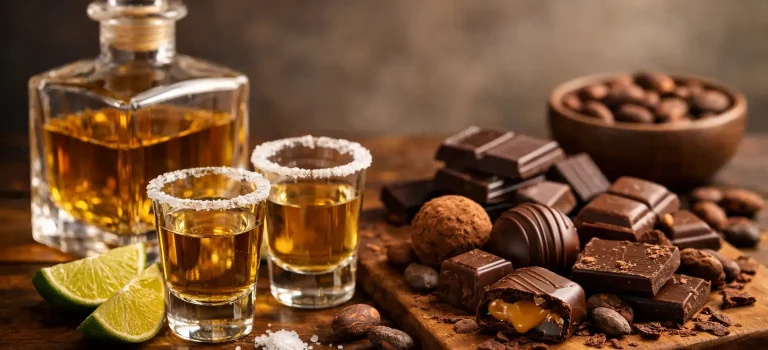
A square of dark chocolate can make a fine tequila taste even finer – or flatten it completely. That is the intrigue of tequila and chocolate pairing. When it works, the tequila opens in new layers: roasted agave, pepper, citrus oil, vanilla, cacao, dried fruit, even a gentle mineral edge that was quiet before the first bite.

This is not a novelty pairing built for sweetness alone. Done well, it is a sensory conversation between texture, aroma, proof, oak, bitterness, and finish. For travelers and spirits lovers who want more than a quick pour, it offers one of the clearest ways to understand how tequila behaves on the palate.

Why tequila and chocolate pairing makes sense

At first glance, tequila and chocolate seem like opposites. One is bright, herbal, and often vivid with agave character. The other can be creamy, bitter, earthy, nutty, and dense. But that contrast is exactly the point.

Tequila carries a spectrum that many people underestimate. A crisp blanco can show citrus, fresh herbs, white pepper, olive, wet stone, and cooked agave. A reposado may bring soft oak, baking spice, caramel, and toasted nuts. An anejo can move toward vanilla, cocoa, tobacco, and dried fruit. Chocolate also ranges widely, from milk chocolate with soft dairy sweetness to high-cacao bars with red fruit acidity, bitterness, and roasted depth.

When these profiles meet thoughtfully, each can sharpen the other. Bitterness in dark chocolate can frame the natural sweetness of agave. Creamy milk chocolate can soften alcohol heat. Salted or spiced chocolate can pull hidden notes from the spirit. The pairing is less about matching sweet with sweet and more about balancing intensity, texture, and aromatic weight.

Start with the tequila style, not the age statement alone

One common mistake is assuming darker tequila automatically pairs better with all chocolate. Sometimes it does. Often, it depends.

Blanco tequila can be brilliant with chocolate, especially if the bar has citrus, sea salt, chili, or a lighter roast. A well-made blanco with clean agave character cuts through richness and keeps the tasting lively. If the chocolate is too heavy or too sugary, though, the tequila can seem sharp by comparison.

Reposado is usually the easiest starting point for tequila and chocolate pairing because it sits in the middle. A touch of oak rounds out the spirit without burying the agave. That makes room for chocolate with almond, cinnamon, coffee, or brown butter notes.

Anejo and extra anejo tequilas often feel intuitive with dark chocolate because the barrel influence brings flavors people already associate with dessert: vanilla, caramel, toasted wood, clove, and cocoa. Still, very sweet chocolate can make an aged tequila feel dry, while extremely bitter chocolate can overshadow a more delicate bottling. Great pairings are built on proportion, not prestige.

How cacao percentage changes the experience

Cacao percentage matters, but not in the simple way many people think. Higher percentage does not always mean better pairing.

Milk chocolate, especially in the 35 to 45 percent range, can work beautifully with gentle reposados and some softer anejos. The dairy element smooths the palate and highlights vanilla or caramel tones in the tequila. If the spirit is high-proof or especially peppery, milk chocolate can provide welcome balance.

Dark chocolate in the 55 to 70 percent range is often the sweet spot. It has enough cocoa depth to stand up to tequila, but usually enough sugar to keep the pairing from turning austere. This range tends to be the most versatile across blanco, reposado, and anejo.

Once you move into 75 percent and above, the pairing becomes more exacting. These chocolates can be wonderfully complex, but they bring stronger bitterness and drier texture. They tend to favor richer anejos, additive-free tequilas with clear structure, or blancos with enough mineral or peppery lift to stay present beside the cacao.

The pairings that usually work best

A bright blanco with dark chocolate and sea salt is one of the most elegant combinations at the table. The salt amplifies sweetness in both elements, while the tequila’s fresh agave notes keep the finish energetic. If the chocolate has orange peel or a subtle chili warmth, the match can feel especially vivid.

Reposado with chocolate that includes toasted nuts, cinnamon, or coffee is consistently rewarding. The barrel-softened tequila echoes those warm flavors without becoming heavy. This is often the pairing that wins over guests who say they do not usually sip tequila neat.

Anejo with dark chocolate in the 65 to 72 percent range is the classic move, but the best versions are not overly sugary. Look for bars with notes of dried fig, espresso, roasted almond, or baking spice. Those details give the tequila room to show its own maturity rather than pushing the tasting into simple dessert territory.

Spiced chocolate can be excellent, but restraint matters. A touch of chile, cinnamon, or pink pepper can make a tequila sparkle. Too much heat, and the alcohol will feel hotter than it really is.

How to taste tequila and chocolate pairing properly

The order changes everything. Start with the tequila first, especially if you are trying to understand its core profile. Take a small sip and let it coat the palate. Notice the arrival, the mid-palate, and the finish. Is it grassy, peppery, floral, buttery, or oak-driven?

Then take a small bite of chocolate and let it melt rather than chewing quickly. Chocolate reveals itself in stages too: sweetness first, then texture, then roast, bitterness, fruit, or spice. Once it has begun to dissolve, take another sip of tequila. That is where the pairing shows its true shape.

You may notice the second sip tastes rounder, sweeter, or more aromatic. Or you may find the pairing clashes, making the spirit feel thinner or the chocolate more bitter. That is useful information. Great tasting is not about pretending every combination works.

Keep the portions small. This is a pairing best experienced in measured, intentional tastes. A large piece of chocolate can dominate the palate, while a large pour of tequila can numb it.

Room temperature also matters more than most people expect. Cold tequila mutes aroma, and cold chocolate becomes harder and less expressive. Let both warm slightly so texture and aromatics can do their work.

What can go wrong

Overly sweet chocolate is the most common problem. It can make a quality tequila feel harsh, especially a blanco. If the bar tastes mostly of sugar, you lose the nuance that makes pairing worthwhile.

Heavily flavored chocolate can also crowd the spirit. Strong mint, artificial fruit, or excessive fillings tend to override the tequila instead of complementing it. There are exceptions, but they require a very specific bottle and a careful hand.

The tequila itself matters just as much. A bottle dominated by aggressive oak or cloying sweetness can pair in an obvious way with chocolate, but not always in a satisfying one. By contrast, a tequila with clear agave definition and balanced structure will usually create a more layered experience.

Why this pairing feels especially memorable in a tasting setting

Tequila is often rushed. Chocolate almost never is. Putting them together encourages a slower pace and a more attentive palate. That shift is part of the magic.

In a guided setting, the pairing becomes even more revealing because small adjustments make a big difference. A different cacao percentage, a touch of sea salt, or a move from blanco to reposado can completely change what you taste. Suddenly, terms like cooked agave, barrel influence, minerality, and finish are no longer abstract. They are right there in the glass.

This is also where craftsmanship becomes easier to appreciate. Artisanal chocolate carries origin, roast, and texture. Fine tequila carries terroir, method, fermentation character, distillation choices, and often the signature of a particular producer. When both are curated with care, the experience feels less like a treat and more like a conversation between traditions.

At Santos Destilados, that is exactly what makes a tasting memorable in Cabo. The best pairings do more than please the palate. They give guests a richer way to read Mexican spirits through flavor, context, and contrast.

A simple way to choose your first pairing

If you are ordering or building your first tasting, keep it elegant. Choose one blanco with a dark chocolate that includes sea salt or citrus, one reposado with a nutty or lightly spiced chocolate, and one anejo with a balanced dark bar around 70 percent cacao. That progression is broad enough to teach you something and focused enough to stay refined.

You do not need a huge flight or a table full of sweets. You need contrast, quality, and the patience to let each sip settle. The pleasure of tequila and chocolate pairing is not in excess. It is in noticing how a spirit you thought you knew becomes more expressive with the right bite beside it.

The next time a tequila surprises you with notes of cocoa, orange peel, toasted almond, or warm spice, follow that clue. A well-chosen piece of chocolate might be the fastest route to understanding what the bottle has been saying all along.

Best Tequila for Sipping: What to Choose

Best Tequila for Sipping: What to Choose

The first sip tells you almost everything. Not the label, not the price tag, not the celebrity endorsement – the sip. A tequila meant for slow enjoyment should open with aroma, carry real texture across the palate, and leave a finish that keeps changing for a few seconds after the glass leaves your lips. That is the real starting point for finding the best tequila for sipping.

For many travelers and premium spirits drinkers, the challenge is not finding tequila. It is finding tequila worth your full attention. Shelves are crowded, marketing is loud, and too many bottles are built for quick shots or sugary cocktails rather than quiet appreciation. Sipping tequila is a different category of pleasure. It asks for craftsmanship, patience, and a little guidance.

What makes the best tequila for sipping?

A good sipping tequila is not simply older or more expensive. It is balanced. You want expressive agave at the center, supported by clean distillation and, when applicable, thoughtful barrel influence. The best examples feel layered rather than heavy. They show cooked agave, minerality, pepper, herbs, citrus, vanilla, cacao, or dried fruit without losing their identity.

That last part matters. When tequila spends time in oak, the barrel should add dimension, not bury the spirit. If all you taste is caramel and wood, you may be drinking a pleasant aged spirit, but not necessarily a tequila that speaks clearly of blue agave and place.

Production methods matter as much as flavor. Tequilas made from 100% blue agave, cooked with care, fermented patiently, and distilled for clarity tend to offer more precision in the glass. Small details shape the final result: whether the agave was harvested at proper maturity, whether the cooking emphasized sweetness rather than harshness, and whether additives were used to create an artificially smooth profile. For sipping, authenticity usually wins.

Blanco, reposado, or añejo?

One of the most common questions around the best tequila for sipping is whether blanco, reposado, or añejo is the right choice. The honest answer is that it depends on what kind of drinker you are.

Blanco for purity and energy

A well-made blanco is the clearest expression of agave. It is vibrant, direct, and often the favorite among people who want to taste the raw beauty of tequila without oak stepping in. Expect notes like roasted agave, black pepper, citrus peel, fresh herbs, olive, and mineral brightness.

For experienced tasters, blanco is often the most revealing category because there is nowhere to hide. If the distillate is sharp, thin, or overly manipulated, you will notice it quickly. But when it is excellent, blanco can be the most thrilling sipping tequila of all.

Reposado for balance

Reposado rests in oak long enough to gain softness and spice, but usually not so long that it loses its agave core. This makes it a welcoming category for people moving from whiskey, bourbon, or barrel-aged rum into tequila. You may find honey, cinnamon, vanilla, toasted almond, and baked fruit alongside pepper and cooked agave.

For many drinkers, reposado hits the sweet spot. It has enough texture and warmth for easy sipping, yet still feels distinctly Mexican in character.

Añejo for richness

Añejo brings deeper oak influence, rounder texture, and a more contemplative style. It can show toffee, cacao, tobacco, dried fig, orange oil, and baking spice. It is often poured after dinner or paired with dark chocolate when you want the spirit to linger.

The trade-off is simple: the longer the aging, the greater the risk that oak dominates. The best añejos remain elegant and structured, with agave still visible beneath the barrel notes. If you want richness, añejo can be beautiful. If you want terroir and freshness, blanco or reposado may be more compelling.

How to judge a sipping tequila in the glass

A little tasting discipline changes everything. Start by looking at the spirit. Color can tell you something about age, but it does not guarantee quality. What matters more is viscosity and clarity.

Then bring the glass to your nose gently. A refined tequila should invite you in, not blast you with alcohol. You are looking for definition. Do the aromas unfold in stages? Can you distinguish agave from oak, spice from sweetness, earth from fruit?

Take a small sip and let it coat the mouth. Great sipping tequila has texture, not just flavor. It may feel silky, oily, creamy, or bright, but it should not feel hollow. Notice the finish. A short, hot exit usually signals less complexity. A long finish with evolving notes is where memorable tequila lives.

If you are tasting several bottles, compare them side by side. The differences become more vivid when one blanco shows crisp mineral energy and another leans floral and soft, or when one reposado offers subtle barrel character while another tastes heavily sweetened and polished.

Price helps, but not as much as people think

There is a premium tier where quality often improves, especially with careful production and smaller batches. But high price alone does not guarantee the best tequila for sipping. Some expensive bottles trade on packaging, rarity theater, or celebrity branding rather than true distinction in the glass.

A more useful question is this: what are you paying for? Mature agave, slow craft, traditional methods, and thoughtful curation are worth it. Flashy bottles with vague production details are less convincing. Some of the most satisfying sipping tequilas are not the most famous names. They are the ones made with integrity and selected by people who know what they are tasting.

The styles worth seeking out

If you are shopping for a bottle to sip neat, look for tequila that leads with 100% blue agave and gives you confidence about production. Distillery transparency, traditional or carefully controlled modern methods, and a reputation for balance are all good signs.

Blancos are ideal if you want a vivid, terroir-driven spirit with energy and precision. Reposados suit drinkers who want a polished, versatile pour with light oak influence. Añejos are best when you are in the mood for depth, warmth, and a slower, richer experience.

Extra añejo can be luxurious, but it is not automatically better for everyone. Sometimes it edges so far into barrel character that it starts to resemble other aged spirits more than tequila. If your goal is to savor agave, older is not always superior.

Common mistakes when choosing sipping tequila

The first mistake is assuming smoothness equals quality. Some tequilas feel unnaturally soft because they are manipulated to taste easy. A fine sipping tequila can be gentle, but it should still have structure, character, and a natural arc from entry to finish.

The second mistake is serving it too cold. Chilling mutes aroma and complexity. Room temperature or very slightly cool is better if you want to appreciate detail.

The third is using the wrong glass. You do not need ceremony, but you do want a glass that concentrates aroma. A proper tasting glass or small wine glass will reveal far more than a wide shot glass ever could.

Why guided tasting changes your answer

People often ask for the best tequila for sipping as if there is one universal winner. In practice, the right bottle depends on your palate. Some guests fall for a peppery highland blanco. Others want a reposado with elegant vanilla and spice. Others discover that a beautifully structured añejo paired with artisan chocolate is exactly their rhythm.

This is why curated tasting matters. When you can compare categories, learn how distillation and barrel aging shape flavor, and taste with context, tequila becomes much more than a vacation purchase. It becomes a cultural experience with real nuance.

In a place like Santos Destilados, that difference is easy to feel. A guided tasting in the heart of Cabo can show you how pearling, aroma, mouthfeel, and finish work together, while introducing labels that rarely appear in generic tourist shops. That kind of experience saves you from buying blindly and gives you a much clearer sense of what deserves a place in your glass at home.

So what should you actually buy?

If you love bright, expressive spirits, start with a high-quality blanco. If you usually drink bourbon or prefer a rounder profile, begin with reposado. If you want an after-dinner pour with deeper oak and dessert-friendly notes, choose añejo.

The best bottle is the one that keeps you returning to the glass, not because it is flashy, but because each sip reveals something new. Look for clarity, texture, honest agave character, and a finish that lingers with grace. When tequila is made well, it carries the sun, soil, craft, and pride of Mexico in a remarkably elegant form.

The most rewarding way to find your favorite is not to chase hype. It is to taste slowly, ask better questions, and let the spirit speak for itself.

7 Best Mezcals for Beginners

7 Best Mezcals for Beginners

The first time mezcal surprises you, it usually happens in one of two ways. Either the smoke arrives louder than expected, or it doesn’t arrive the way you were told it would. That second moment is the more interesting one, because the best mezcal for beginners is rarely the most aggressively smoky bottle on the shelf. It is the one that lets you taste agave first, craftsmanship second, and smoke as one note among many.

For newcomers, that distinction matters. Mezcal is not a category built around a single flavor profile. It is a family of spirits shaped by agave variety, region, fermentation, still type, roast, water, altitude, and the hand of the producer. If you start with the wrong bottle, mezcal can feel severe. If you start with the right one, it feels expansive – savory, floral, mineral, tropical, herbal, and yes, sometimes gently smoky.

What makes the best mezcal for beginners?

A beginner-friendly mezcal is not a lesser mezcal. It is simply one with a more generous learning curve. In practical terms, that often means an espadin mezcal with clean structure, balanced smoke, and enough fruit or sweetness on the palate to keep the experience inviting.

Espadin is the most common agave used in mezcal, and for good reason. In skilled hands, it can show beautiful range without becoming too challenging for a new drinker. It often offers notes of roasted agave, citrus peel, fresh herbs, pepper, and wet earth. When the balance is right, you get character without overload.

Proof also matters. Some beginners do better with mezcals in the low-to-mid 40% ABV range, where the texture feels lively but not punishing. Others are surprised to find that a slightly higher-proof mezcal can actually taste more expressive and integrated. It depends on the bottle. High proof alone is not the issue – harshness is.

The other factor is expectation. Many people arrive looking for smoke because that is how mezcal is marketed to them. Smoke is part of the story, but not the whole story. A strong campfire note can be thrilling for one sip and exhausting by the second pour. For a first bottle, elegance tends to go further than intensity.

7 bottles and styles worth starting with

If you are shopping for the best mezcal for beginners, think in terms of styles as much as brands. Availability changes by market, but these are the profiles most likely to give you a rewarding first step.

1. A classic espadin from Oaxaca

This is the safest and smartest entry point. Look for an artisanal espadin that smells of roasted agave, orange zest, fresh-cut grass, and a light veil of smoke. On the palate, it should feel soft, savory, and gently peppery rather than sharply medicinal.

A good Oaxacan espadin teaches the basics clearly. You learn what cooked agave tastes like, how smoke should support rather than dominate, and why mezcal can feel both rustic and refined at once.

2. An espadin with a brighter, fruit-forward profile

Not every beginner wants earth and char first. Some fall for mezcal when they find a bottle with notes of pineapple, green apple, tangerine, or even jasmine. These expressions still carry traditional character, but the fruit makes the category more approachable.

This style works especially well for people who enjoy blancos, agricole rhum, or aromatic gins. It shows that mezcal can be lifted and vivid, not only dark and smoky.

3. A Tobala-led pour, if you want something more aromatic

Tobala is often not the cheapest place to begin, but it can be a beautiful one if your palate leans floral and perfumed. Expect smaller agave character expressed as wild herbs, tropical fruit, flowers, and a more delicate smoke signature.

The trade-off is that Tobala can be so distinctive that it does not always teach the category in the most straightforward way. It is memorable, sometimes enchanting, but less foundational than espadin. Think of it as a luxurious first detour rather than the default first step.

4. An ensamble that softens the edges

An ensamble blends two or more agave varieties, and when done well, it can be remarkably welcoming. One agave may bring sweetness, another lift, another structure. The result can feel rounder and more layered than a single-variety mezcal.

For beginners, this is helpful because complexity does not have to mean confrontation. A thoughtful ensamble can deliver smoke, fruit, minerality, and spice in a way that feels polished and harmonious.

5. A mezcal made with clay pot distillation, if you enjoy texture

This is where things become more stylistic. Clay-distilled mezcals often show a broader mouthfeel and deeper earthy notes. They can be thrilling, but they can also be more intense. For the right beginner – especially someone already comfortable with peated Scotch, funky rum, or savory spirits – this can be a compelling start.

For everyone else, it may be better as a second or third exploration. The best first mezcal should invite curiosity, not require endurance.

6. A lower-smoke expression for tequila drinkers

If you already enjoy high-quality blanco or reposado tequila, look for mezcals described as agave-forward, citrusy, or floral rather than heavily smoky. This bridge style often helps tequila drinkers understand mezcal without feeling like they have jumped into an entirely different language.

You still get the roasted heart of the spirit, but with more clarity and less ash. It is often the bottle that changes a skeptic’s mind.

7. A guided tasting pour before buying a full bottle

This is not a bottle, but it is often the best advice. Mezcal is too varied to treat like a simple shelf decision. A guided tasting lets you compare espadin against an ensamble, notice how smoke rises and fades, and understand how production choices shape what is in the glass.

For beginners, that context is worth more than a label recommendation. One carefully curated flight can save you from buying the wrong bottle and open the door to the right one.

How to taste mezcal when you are new to it

Do not shoot it. Sip it slowly from a proper glass and give it a moment to open. Bring the glass to your nose gently rather than burying your face in it. Mezcal can be highly aromatic, and alcohol heat will mask nuance if you rush.

Take a small first sip and let it travel across the palate. Notice whether the entry feels sweet, herbal, peppery, mineral, or smoky. Then pay attention to the finish. Great mezcal often reveals itself there, where the roast, fruit, salinity, and texture linger after the initial heat has passed.

A little water on the side is useful, but try the mezcal neat first. Orange slices and sal de gusano can be delicious, yet they should support the tasting rather than distract from it. If every sip is followed immediately by garnish, you lose the thread of the spirit itself.

What beginners often get wrong

The most common mistake is chasing the boldest smoke because it seems more authentic. In reality, balance is the better marker of quality. Loud smoke can hide flaws just as easily as it can signal traditional production.

Another mistake is assuming that price alone guarantees a better first experience. Some rare agaves are stunning, but they are not automatically beginner-friendly. A beautifully made espadin can teach more and please more than an expensive bottle chosen for prestige.

Finally, many new drinkers judge mezcal too quickly. The first sip can feel unfamiliar, especially if your reference point is tequila, bourbon, or vodka. Give it three sips. The palate adjusts, the aromatics unfold, and what felt unusual often becomes the reason you return to it.

Why a curated experience matters

The difference between liking mezcal and truly understanding it often comes down to guidance. When someone explains roast methods, fermentation, distillation, and agave species while you taste, the category becomes vivid. Suddenly, you are not just drinking smoke. You are tasting desert landscape, ripe agave, oven heat, copper or clay, and the decisions of a maestro mezcalero.

That is why a boutique tasting room can be such a strong starting point. In a place like Santos Destilados, a beginner does not have to guess. You can move through approachable pours, compare styles side by side, and discover whether your palate leans toward bright espadin, floral Tobala, or a more textured ensamble. The bottle you take home means more when you understand why it moved you.

If you are choosing your first mezcal, choose curiosity over bravado. The right bottle does not need to overwhelm you to earn your respect. It only needs to show you, sip by sip, how much beauty this tradition can hold.

Premium Tequila Tasting Experience Review

Premium Tequila Tasting Experience Review

The first sip tells you almost everything. Not just about the tequila in your glass, but about the kind of experience you’re having. In a true premium tequila tasting experience review, that difference matters. You can taste when a pour is being rushed for entertainment, and you can taste when it is being presented with respect for the agave, the region, and the people who made it.

That distinction is exactly what separates an ordinary tourist stop from a memorable tasting in Cabo. A premium tequila experience should feel intimate, informed, and beautifully paced. It should sharpen your palate, yes, but it should also give you context – why one blanco feels bright and mineral while another lands soft and peppery, why oak can elevate an añejo or flatten it, and why not every expensive bottle deserves the word premium.

What makes a premium tequila tasting experience worth it?

Price alone does not make a tasting premium. The real markers are curation, expertise, atmosphere, and depth. If the lineup feels generic, the script sounds memorized, and every pour is explained with the same broad marketing language, you are paying for packaging rather than substance.

A premium experience begins with selection. The tequilas should reveal a point of view, not just a price ladder. That often means small-batch labels, production styles with clear identity, and a progression that teaches you something with each pour. A thoughtful host might begin with a crisp blanco to establish the agave baseline, move into a reposado where barrel influence starts to round the spirit, and finish with an añejo or extra añejo that shows patience without losing character.

Just as important is guidance. A strong tasting host does more than announce notes like vanilla, pepper, or caramel. They explain why those notes are there. You learn how cooking methods affect texture, how fermentation shapes aroma, how distillation refines or strips away complexity, and how to assess the finish rather than rushing into the next sip. When pearling is demonstrated and explained, for example, it stops being a novelty and becomes part of the language of quality and texture.

Premium tequila tasting experience review: what stood out most

What consistently elevates the best tastings is the sense that tequila is being treated as culture, not a party prop. You notice it in the glassware, in the pacing, and in the restraint. No one is trying to push ten pours at you in twenty minutes. There is room to smell, compare, revisit, and ask questions without feeling like the next group is already waiting.

The atmosphere matters more than many visitors expect. A premium room should feel polished but not stiff, welcoming but not chaotic. In Cabo, where high-energy venues are easy to find, a tasting space with warmth and focus feels especially valuable. It invites a different kind of attention. Instead of loud distraction, you get conversation. Instead of spectacle, you get detail.

Food pairings are another clear signal. When done well, they are not decorative extras. A small bite of local chocolate, a thoughtful savory accompaniment, or a regional ingredient can change how a tequila opens on the palate. The right pairing can reveal fruit in a reposado, soften alcohol heat in a blanco, or draw out spice in an aged expression. The trade-off is that pairings need discipline. If they are too heavy or too sweet, they dominate the spirit rather than support it.

What premium tequila should taste like

There is no single premium flavor profile, which is part of the pleasure. A well-made blanco can be grassy, citrusy, peppery, floral, or gently creamy. A reposado may bring subtle baking spice, toasted almond, or honeyed notes, while still keeping the agave present. An añejo can show dried fruit, cacao, or vanilla, but the best examples avoid tasting like generic oak.

That last point is worth emphasizing. Many first-time tasters assume older automatically means better. Sometimes it does, sometimes it doesn’t. Extended barrel aging can add elegance, but it can also cover up the spirit’s original identity. A premium tasting should help you understand that preference is nuanced. If you love the brightness and minerality of agave, you may find a beautifully made blanco more compelling than a heavily oaked extra añejo.

Texture is another sign of quality that often gets overlooked. Premium tequila should feel composed. Even when the proof is lively, the alcohol should not arrive as a blunt burn. Instead, you want structure, length, and a finish that evolves. This is where guided tasting becomes especially useful. Once someone shows you how to pause between nosing and sipping, how to let the tequila travel across the palate, and how to notice the finish, your standards change quickly.

The review verdict for travelers in Cabo

For visitors who want more than a round of shots and a souvenir photo, a premium tequila tasting is absolutely worth seeking out. It offers something many Cabo activities do not – a direct, refined connection to Mexican craftsmanship. It is social without being shallow, indulgent without being careless, and educational without becoming dry.

That said, not every traveler wants the same version of premium. Some guests want a private, slow-paced tasting with deeper production detail and rare labels. Others want the freedom to walk in, enjoy an expertly guided flight, and continue their evening downtown. The best tasting destinations understand both rhythms and make room for each.

This is where a curated boutique setting shines. A place like Santos Destilados works because it treats tasting as hospitality and cultural interpretation at the same time. You are not simply sampling tequila. You are being introduced to a wider world of Mexican distillates, often with enough clarity to understand where tequila sits alongside mezcal, sotol, raicilla, bacanora, and pox. For many travelers, that broader frame turns a good activity into one of the most memorable hours of the trip.

How a premium tequila tasting experience review should judge value

Value in this category is not about the number of pours alone. It is about access. Are you trying expressions you would not normally encounter? Are you getting informed commentary instead of generic selling points? Are the pairings intentional? Is the setting intimate enough to ask real questions? These details justify the premium.

Convenience also plays a role, especially for travelers. A centrally located tasting room with both private and no-reservation options is more useful than an experience that sounds exclusive but creates friction. Luxury today is not only about rarity. It is also about ease, confidence, and feeling well taken care of.

If there is one caution, it is this: premium can become a hollow word very quickly in tourist markets. Some experiences rely on polished branding and broad claims about smoothness while skipping the real story of production and provenance. A worthwhile review should look past décor and focus on what is actually in the glass, how it is explained, and whether the experience leaves you with sharper taste and deeper appreciation.

The best tequila tastings do something subtle but lasting. They make you slow down. They teach you how to recognize craftsmanship. They remind you that Mexican spirits carry regional memory, agricultural skill, and family knowledge in every pour. When a tasting delivers that with warmth, precision, and genuine pleasure, it earns the word premium honestly.

If you are deciding whether to book one while in Cabo, think less about checking off an activity and more about what kind of memory you want to bring home. A fine tequila can fit in a suitcase. A truly well-guided tasting stays with your palate much longer.