Tequila and Chocolate Pairing That Works

Tequila and Chocolate Pairing That Works

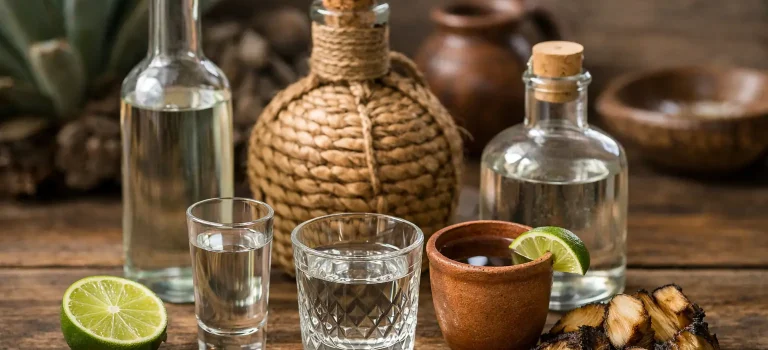
A square of dark chocolate can make a fine tequila taste even finer – or flatten it completely. That is the intrigue of tequila and chocolate pairing. When it works, the tequila opens in new layers: roasted agave, pepper, citrus oil, vanilla, cacao, dried fruit, even a gentle mineral edge that was quiet before the first bite.

This is not a novelty pairing built for sweetness alone. Done well, it is a sensory conversation between texture, aroma, proof, oak, bitterness, and finish. For travelers and spirits lovers who want more than a quick pour, it offers one of the clearest ways to understand how tequila behaves on the palate.

Why tequila and chocolate pairing makes sense

At first glance, tequila and chocolate seem like opposites. One is bright, herbal, and often vivid with agave character. The other can be creamy, bitter, earthy, nutty, and dense. But that contrast is exactly the point.

Tequila carries a spectrum that many people underestimate. A crisp blanco can show citrus, fresh herbs, white pepper, olive, wet stone, and cooked agave. A reposado may bring soft oak, baking spice, caramel, and toasted nuts. An anejo can move toward vanilla, cocoa, tobacco, and dried fruit. Chocolate also ranges widely, from milk chocolate with soft dairy sweetness to high-cacao bars with red fruit acidity, bitterness, and roasted depth.

When these profiles meet thoughtfully, each can sharpen the other. Bitterness in dark chocolate can frame the natural sweetness of agave. Creamy milk chocolate can soften alcohol heat. Salted or spiced chocolate can pull hidden notes from the spirit. The pairing is less about matching sweet with sweet and more about balancing intensity, texture, and aromatic weight.

Start with the tequila style, not the age statement alone

One common mistake is assuming darker tequila automatically pairs better with all chocolate. Sometimes it does. Often, it depends.

Blanco tequila can be brilliant with chocolate, especially if the bar has citrus, sea salt, chili, or a lighter roast. A well-made blanco with clean agave character cuts through richness and keeps the tasting lively. If the chocolate is too heavy or too sugary, though, the tequila can seem sharp by comparison.

Reposado is usually the easiest starting point for tequila and chocolate pairing because it sits in the middle. A touch of oak rounds out the spirit without burying the agave. That makes room for chocolate with almond, cinnamon, coffee, or brown butter notes.

Anejo and extra anejo tequilas often feel intuitive with dark chocolate because the barrel influence brings flavors people already associate with dessert: vanilla, caramel, toasted wood, clove, and cocoa. Still, very sweet chocolate can make an aged tequila feel dry, while extremely bitter chocolate can overshadow a more delicate bottling. Great pairings are built on proportion, not prestige.

How cacao percentage changes the experience

Cacao percentage matters, but not in the simple way many people think. Higher percentage does not always mean better pairing.

Milk chocolate, especially in the 35 to 45 percent range, can work beautifully with gentle reposados and some softer anejos. The dairy element smooths the palate and highlights vanilla or caramel tones in the tequila. If the spirit is high-proof or especially peppery, milk chocolate can provide welcome balance.

Dark chocolate in the 55 to 70 percent range is often the sweet spot. It has enough cocoa depth to stand up to tequila, but usually enough sugar to keep the pairing from turning austere. This range tends to be the most versatile across blanco, reposado, and anejo.

Once you move into 75 percent and above, the pairing becomes more exacting. These chocolates can be wonderfully complex, but they bring stronger bitterness and drier texture. They tend to favor richer anejos, additive-free tequilas with clear structure, or blancos with enough mineral or peppery lift to stay present beside the cacao.

The pairings that usually work best

A bright blanco with dark chocolate and sea salt is one of the most elegant combinations at the table. The salt amplifies sweetness in both elements, while the tequila’s fresh agave notes keep the finish energetic. If the chocolate has orange peel or a subtle chili warmth, the match can feel especially vivid.

Reposado with chocolate that includes toasted nuts, cinnamon, or coffee is consistently rewarding. The barrel-softened tequila echoes those warm flavors without becoming heavy. This is often the pairing that wins over guests who say they do not usually sip tequila neat.

Anejo with dark chocolate in the 65 to 72 percent range is the classic move, but the best versions are not overly sugary. Look for bars with notes of dried fig, espresso, roasted almond, or baking spice. Those details give the tequila room to show its own maturity rather than pushing the tasting into simple dessert territory.

Spiced chocolate can be excellent, but restraint matters. A touch of chile, cinnamon, or pink pepper can make a tequila sparkle. Too much heat, and the alcohol will feel hotter than it really is.

How to taste tequila and chocolate pairing properly

The order changes everything. Start with the tequila first, especially if you are trying to understand its core profile. Take a small sip and let it coat the palate. Notice the arrival, the mid-palate, and the finish. Is it grassy, peppery, floral, buttery, or oak-driven?

Then take a small bite of chocolate and let it melt rather than chewing quickly. Chocolate reveals itself in stages too: sweetness first, then texture, then roast, bitterness, fruit, or spice. Once it has begun to dissolve, take another sip of tequila. That is where the pairing shows its true shape.

You may notice the second sip tastes rounder, sweeter, or more aromatic. Or you may find the pairing clashes, making the spirit feel thinner or the chocolate more bitter. That is useful information. Great tasting is not about pretending every combination works.

Keep the portions small. This is a pairing best experienced in measured, intentional tastes. A large piece of chocolate can dominate the palate, while a large pour of tequila can numb it.

Room temperature also matters more than most people expect. Cold tequila mutes aroma, and cold chocolate becomes harder and less expressive. Let both warm slightly so texture and aromatics can do their work.

What can go wrong

Overly sweet chocolate is the most common problem. It can make a quality tequila feel harsh, especially a blanco. If the bar tastes mostly of sugar, you lose the nuance that makes pairing worthwhile.

Heavily flavored chocolate can also crowd the spirit. Strong mint, artificial fruit, or excessive fillings tend to override the tequila instead of complementing it. There are exceptions, but they require a very specific bottle and a careful hand.

The tequila itself matters just as much. A bottle dominated by aggressive oak or cloying sweetness can pair in an obvious way with chocolate, but not always in a satisfying one. By contrast, a tequila with clear agave definition and balanced structure will usually create a more layered experience.

Why this pairing feels especially memorable in a tasting setting

Tequila is often rushed. Chocolate almost never is. Putting them together encourages a slower pace and a more attentive palate. That shift is part of the magic.

In a guided setting, the pairing becomes even more revealing because small adjustments make a big difference. A different cacao percentage, a touch of sea salt, or a move from blanco to reposado can completely change what you taste. Suddenly, terms like cooked agave, barrel influence, minerality, and finish are no longer abstract. They are right there in the glass.

This is also where craftsmanship becomes easier to appreciate. Artisanal chocolate carries origin, roast, and texture. Fine tequila carries terroir, method, fermentation character, distillation choices, and often the signature of a particular producer. When both are curated with care, the experience feels less like a treat and more like a conversation between traditions.

At Santos Destilados, that is exactly what makes a tasting memorable in Cabo. The best pairings do more than please the palate. They give guests a richer way to read Mexican spirits through flavor, context, and contrast.

A simple way to choose your first pairing

If you are ordering or building your first tasting, keep it elegant. Choose one blanco with a dark chocolate that includes sea salt or citrus, one reposado with a nutty or lightly spiced chocolate, and one anejo with a balanced dark bar around 70 percent cacao. That progression is broad enough to teach you something and focused enough to stay refined.

You do not need a huge flight or a table full of sweets. You need contrast, quality, and the patience to let each sip settle. The pleasure of tequila and chocolate pairing is not in excess. It is in noticing how a spirit you thought you knew becomes more expressive with the right bite beside it.

The next time a tequila surprises you with notes of cocoa, orange peel, toasted almond, or warm spice, follow that clue. A well-chosen piece of chocolate might be the fastest route to understanding what the bottle has been saying all along.

Best Tequila for Sipping: What to Choose

Best Tequila for Sipping: What to Choose

The first sip tells you almost everything. Not the label, not the price tag, not the celebrity endorsement – the sip. A tequila meant for slow enjoyment should open with aroma, carry real texture across the palate, and leave a finish that keeps changing for a few seconds after the glass leaves your lips. That is the real starting point for finding the best tequila for sipping.

For many travelers and premium spirits drinkers, the challenge is not finding tequila. It is finding tequila worth your full attention. Shelves are crowded, marketing is loud, and too many bottles are built for quick shots or sugary cocktails rather than quiet appreciation. Sipping tequila is a different category of pleasure. It asks for craftsmanship, patience, and a little guidance.

What makes the best tequila for sipping?

A good sipping tequila is not simply older or more expensive. It is balanced. You want expressive agave at the center, supported by clean distillation and, when applicable, thoughtful barrel influence. The best examples feel layered rather than heavy. They show cooked agave, minerality, pepper, herbs, citrus, vanilla, cacao, or dried fruit without losing their identity.

That last part matters. When tequila spends time in oak, the barrel should add dimension, not bury the spirit. If all you taste is caramel and wood, you may be drinking a pleasant aged spirit, but not necessarily a tequila that speaks clearly of blue agave and place.

Production methods matter as much as flavor. Tequilas made from 100% blue agave, cooked with care, fermented patiently, and distilled for clarity tend to offer more precision in the glass. Small details shape the final result: whether the agave was harvested at proper maturity, whether the cooking emphasized sweetness rather than harshness, and whether additives were used to create an artificially smooth profile. For sipping, authenticity usually wins.

Blanco, reposado, or añejo?

One of the most common questions around the best tequila for sipping is whether blanco, reposado, or añejo is the right choice. The honest answer is that it depends on what kind of drinker you are.

Blanco for purity and energy

A well-made blanco is the clearest expression of agave. It is vibrant, direct, and often the favorite among people who want to taste the raw beauty of tequila without oak stepping in. Expect notes like roasted agave, black pepper, citrus peel, fresh herbs, olive, and mineral brightness.

For experienced tasters, blanco is often the most revealing category because there is nowhere to hide. If the distillate is sharp, thin, or overly manipulated, you will notice it quickly. But when it is excellent, blanco can be the most thrilling sipping tequila of all.

Reposado for balance

Reposado rests in oak long enough to gain softness and spice, but usually not so long that it loses its agave core. This makes it a welcoming category for people moving from whiskey, bourbon, or barrel-aged rum into tequila. You may find honey, cinnamon, vanilla, toasted almond, and baked fruit alongside pepper and cooked agave.

For many drinkers, reposado hits the sweet spot. It has enough texture and warmth for easy sipping, yet still feels distinctly Mexican in character.

Añejo for richness

Añejo brings deeper oak influence, rounder texture, and a more contemplative style. It can show toffee, cacao, tobacco, dried fig, orange oil, and baking spice. It is often poured after dinner or paired with dark chocolate when you want the spirit to linger.

The trade-off is simple: the longer the aging, the greater the risk that oak dominates. The best añejos remain elegant and structured, with agave still visible beneath the barrel notes. If you want richness, añejo can be beautiful. If you want terroir and freshness, blanco or reposado may be more compelling.

How to judge a sipping tequila in the glass

A little tasting discipline changes everything. Start by looking at the spirit. Color can tell you something about age, but it does not guarantee quality. What matters more is viscosity and clarity.

Then bring the glass to your nose gently. A refined tequila should invite you in, not blast you with alcohol. You are looking for definition. Do the aromas unfold in stages? Can you distinguish agave from oak, spice from sweetness, earth from fruit?

Take a small sip and let it coat the mouth. Great sipping tequila has texture, not just flavor. It may feel silky, oily, creamy, or bright, but it should not feel hollow. Notice the finish. A short, hot exit usually signals less complexity. A long finish with evolving notes is where memorable tequila lives.

If you are tasting several bottles, compare them side by side. The differences become more vivid when one blanco shows crisp mineral energy and another leans floral and soft, or when one reposado offers subtle barrel character while another tastes heavily sweetened and polished.

Price helps, but not as much as people think

There is a premium tier where quality often improves, especially with careful production and smaller batches. But high price alone does not guarantee the best tequila for sipping. Some expensive bottles trade on packaging, rarity theater, or celebrity branding rather than true distinction in the glass.

A more useful question is this: what are you paying for? Mature agave, slow craft, traditional methods, and thoughtful curation are worth it. Flashy bottles with vague production details are less convincing. Some of the most satisfying sipping tequilas are not the most famous names. They are the ones made with integrity and selected by people who know what they are tasting.

The styles worth seeking out

If you are shopping for a bottle to sip neat, look for tequila that leads with 100% blue agave and gives you confidence about production. Distillery transparency, traditional or carefully controlled modern methods, and a reputation for balance are all good signs.

Blancos are ideal if you want a vivid, terroir-driven spirit with energy and precision. Reposados suit drinkers who want a polished, versatile pour with light oak influence. Añejos are best when you are in the mood for depth, warmth, and a slower, richer experience.

Extra añejo can be luxurious, but it is not automatically better for everyone. Sometimes it edges so far into barrel character that it starts to resemble other aged spirits more than tequila. If your goal is to savor agave, older is not always superior.

Common mistakes when choosing sipping tequila

The first mistake is assuming smoothness equals quality. Some tequilas feel unnaturally soft because they are manipulated to taste easy. A fine sipping tequila can be gentle, but it should still have structure, character, and a natural arc from entry to finish.

The second mistake is serving it too cold. Chilling mutes aroma and complexity. Room temperature or very slightly cool is better if you want to appreciate detail.

The third is using the wrong glass. You do not need ceremony, but you do want a glass that concentrates aroma. A proper tasting glass or small wine glass will reveal far more than a wide shot glass ever could.

Why guided tasting changes your answer

People often ask for the best tequila for sipping as if there is one universal winner. In practice, the right bottle depends on your palate. Some guests fall for a peppery highland blanco. Others want a reposado with elegant vanilla and spice. Others discover that a beautifully structured añejo paired with artisan chocolate is exactly their rhythm.

This is why curated tasting matters. When you can compare categories, learn how distillation and barrel aging shape flavor, and taste with context, tequila becomes much more than a vacation purchase. It becomes a cultural experience with real nuance.

In a place like Santos Destilados, that difference is easy to feel. A guided tasting in the heart of Cabo can show you how pearling, aroma, mouthfeel, and finish work together, while introducing labels that rarely appear in generic tourist shops. That kind of experience saves you from buying blindly and gives you a much clearer sense of what deserves a place in your glass at home.

So what should you actually buy?

If you love bright, expressive spirits, start with a high-quality blanco. If you usually drink bourbon or prefer a rounder profile, begin with reposado. If you want an after-dinner pour with deeper oak and dessert-friendly notes, choose añejo.

The best bottle is the one that keeps you returning to the glass, not because it is flashy, but because each sip reveals something new. Look for clarity, texture, honest agave character, and a finish that lingers with grace. When tequila is made well, it carries the sun, soil, craft, and pride of Mexico in a remarkably elegant form.

The most rewarding way to find your favorite is not to chase hype. It is to taste slowly, ask better questions, and let the spirit speak for itself.

7 Best Mezcals for Beginners

7 Best Mezcals for Beginners

The first time mezcal surprises you, it usually happens in one of two ways. Either the smoke arrives louder than expected, or it doesn’t arrive the way you were told it would. That second moment is the more interesting one, because the best mezcal for beginners is rarely the most aggressively smoky bottle on the shelf. It is the one that lets you taste agave first, craftsmanship second, and smoke as one note among many.

For newcomers, that distinction matters. Mezcal is not a category built around a single flavor profile. It is a family of spirits shaped by agave variety, region, fermentation, still type, roast, water, altitude, and the hand of the producer. If you start with the wrong bottle, mezcal can feel severe. If you start with the right one, it feels expansive – savory, floral, mineral, tropical, herbal, and yes, sometimes gently smoky.

What makes the best mezcal for beginners?

A beginner-friendly mezcal is not a lesser mezcal. It is simply one with a more generous learning curve. In practical terms, that often means an espadin mezcal with clean structure, balanced smoke, and enough fruit or sweetness on the palate to keep the experience inviting.

Espadin is the most common agave used in mezcal, and for good reason. In skilled hands, it can show beautiful range without becoming too challenging for a new drinker. It often offers notes of roasted agave, citrus peel, fresh herbs, pepper, and wet earth. When the balance is right, you get character without overload.

Proof also matters. Some beginners do better with mezcals in the low-to-mid 40% ABV range, where the texture feels lively but not punishing. Others are surprised to find that a slightly higher-proof mezcal can actually taste more expressive and integrated. It depends on the bottle. High proof alone is not the issue – harshness is.

The other factor is expectation. Many people arrive looking for smoke because that is how mezcal is marketed to them. Smoke is part of the story, but not the whole story. A strong campfire note can be thrilling for one sip and exhausting by the second pour. For a first bottle, elegance tends to go further than intensity.

7 bottles and styles worth starting with

If you are shopping for the best mezcal for beginners, think in terms of styles as much as brands. Availability changes by market, but these are the profiles most likely to give you a rewarding first step.

1. A classic espadin from Oaxaca

This is the safest and smartest entry point. Look for an artisanal espadin that smells of roasted agave, orange zest, fresh-cut grass, and a light veil of smoke. On the palate, it should feel soft, savory, and gently peppery rather than sharply medicinal.

A good Oaxacan espadin teaches the basics clearly. You learn what cooked agave tastes like, how smoke should support rather than dominate, and why mezcal can feel both rustic and refined at once.

2. An espadin with a brighter, fruit-forward profile

Not every beginner wants earth and char first. Some fall for mezcal when they find a bottle with notes of pineapple, green apple, tangerine, or even jasmine. These expressions still carry traditional character, but the fruit makes the category more approachable.

This style works especially well for people who enjoy blancos, agricole rhum, or aromatic gins. It shows that mezcal can be lifted and vivid, not only dark and smoky.

3. A Tobala-led pour, if you want something more aromatic

Tobala is often not the cheapest place to begin, but it can be a beautiful one if your palate leans floral and perfumed. Expect smaller agave character expressed as wild herbs, tropical fruit, flowers, and a more delicate smoke signature.

The trade-off is that Tobala can be so distinctive that it does not always teach the category in the most straightforward way. It is memorable, sometimes enchanting, but less foundational than espadin. Think of it as a luxurious first detour rather than the default first step.

4. An ensamble that softens the edges

An ensamble blends two or more agave varieties, and when done well, it can be remarkably welcoming. One agave may bring sweetness, another lift, another structure. The result can feel rounder and more layered than a single-variety mezcal.

For beginners, this is helpful because complexity does not have to mean confrontation. A thoughtful ensamble can deliver smoke, fruit, minerality, and spice in a way that feels polished and harmonious.

5. A mezcal made with clay pot distillation, if you enjoy texture

This is where things become more stylistic. Clay-distilled mezcals often show a broader mouthfeel and deeper earthy notes. They can be thrilling, but they can also be more intense. For the right beginner – especially someone already comfortable with peated Scotch, funky rum, or savory spirits – this can be a compelling start.

For everyone else, it may be better as a second or third exploration. The best first mezcal should invite curiosity, not require endurance.

6. A lower-smoke expression for tequila drinkers

If you already enjoy high-quality blanco or reposado tequila, look for mezcals described as agave-forward, citrusy, or floral rather than heavily smoky. This bridge style often helps tequila drinkers understand mezcal without feeling like they have jumped into an entirely different language.

You still get the roasted heart of the spirit, but with more clarity and less ash. It is often the bottle that changes a skeptic’s mind.

7. A guided tasting pour before buying a full bottle

This is not a bottle, but it is often the best advice. Mezcal is too varied to treat like a simple shelf decision. A guided tasting lets you compare espadin against an ensamble, notice how smoke rises and fades, and understand how production choices shape what is in the glass.

For beginners, that context is worth more than a label recommendation. One carefully curated flight can save you from buying the wrong bottle and open the door to the right one.

How to taste mezcal when you are new to it

Do not shoot it. Sip it slowly from a proper glass and give it a moment to open. Bring the glass to your nose gently rather than burying your face in it. Mezcal can be highly aromatic, and alcohol heat will mask nuance if you rush.

Take a small first sip and let it travel across the palate. Notice whether the entry feels sweet, herbal, peppery, mineral, or smoky. Then pay attention to the finish. Great mezcal often reveals itself there, where the roast, fruit, salinity, and texture linger after the initial heat has passed.

A little water on the side is useful, but try the mezcal neat first. Orange slices and sal de gusano can be delicious, yet they should support the tasting rather than distract from it. If every sip is followed immediately by garnish, you lose the thread of the spirit itself.

What beginners often get wrong

The most common mistake is chasing the boldest smoke because it seems more authentic. In reality, balance is the better marker of quality. Loud smoke can hide flaws just as easily as it can signal traditional production.

Another mistake is assuming that price alone guarantees a better first experience. Some rare agaves are stunning, but they are not automatically beginner-friendly. A beautifully made espadin can teach more and please more than an expensive bottle chosen for prestige.

Finally, many new drinkers judge mezcal too quickly. The first sip can feel unfamiliar, especially if your reference point is tequila, bourbon, or vodka. Give it three sips. The palate adjusts, the aromatics unfold, and what felt unusual often becomes the reason you return to it.

Why a curated experience matters

The difference between liking mezcal and truly understanding it often comes down to guidance. When someone explains roast methods, fermentation, distillation, and agave species while you taste, the category becomes vivid. Suddenly, you are not just drinking smoke. You are tasting desert landscape, ripe agave, oven heat, copper or clay, and the decisions of a maestro mezcalero.

That is why a boutique tasting room can be such a strong starting point. In a place like Santos Destilados, a beginner does not have to guess. You can move through approachable pours, compare styles side by side, and discover whether your palate leans toward bright espadin, floral Tobala, or a more textured ensamble. The bottle you take home means more when you understand why it moved you.

If you are choosing your first mezcal, choose curiosity over bravado. The right bottle does not need to overwhelm you to earn your respect. It only needs to show you, sip by sip, how much beauty this tradition can hold.

Premium Tequila Tasting Experience Review

Premium Tequila Tasting Experience Review

The first sip tells you almost everything. Not just about the tequila in your glass, but about the kind of experience you’re having. In a true premium tequila tasting experience review, that difference matters. You can taste when a pour is being rushed for entertainment, and you can taste when it is being presented with respect for the agave, the region, and the people who made it.

That distinction is exactly what separates an ordinary tourist stop from a memorable tasting in Cabo. A premium tequila experience should feel intimate, informed, and beautifully paced. It should sharpen your palate, yes, but it should also give you context – why one blanco feels bright and mineral while another lands soft and peppery, why oak can elevate an añejo or flatten it, and why not every expensive bottle deserves the word premium.

What makes a premium tequila tasting experience worth it?

Price alone does not make a tasting premium. The real markers are curation, expertise, atmosphere, and depth. If the lineup feels generic, the script sounds memorized, and every pour is explained with the same broad marketing language, you are paying for packaging rather than substance.

A premium experience begins with selection. The tequilas should reveal a point of view, not just a price ladder. That often means small-batch labels, production styles with clear identity, and a progression that teaches you something with each pour. A thoughtful host might begin with a crisp blanco to establish the agave baseline, move into a reposado where barrel influence starts to round the spirit, and finish with an añejo or extra añejo that shows patience without losing character.

Just as important is guidance. A strong tasting host does more than announce notes like vanilla, pepper, or caramel. They explain why those notes are there. You learn how cooking methods affect texture, how fermentation shapes aroma, how distillation refines or strips away complexity, and how to assess the finish rather than rushing into the next sip. When pearling is demonstrated and explained, for example, it stops being a novelty and becomes part of the language of quality and texture.

Premium tequila tasting experience review: what stood out most

What consistently elevates the best tastings is the sense that tequila is being treated as culture, not a party prop. You notice it in the glassware, in the pacing, and in the restraint. No one is trying to push ten pours at you in twenty minutes. There is room to smell, compare, revisit, and ask questions without feeling like the next group is already waiting.

The atmosphere matters more than many visitors expect. A premium room should feel polished but not stiff, welcoming but not chaotic. In Cabo, where high-energy venues are easy to find, a tasting space with warmth and focus feels especially valuable. It invites a different kind of attention. Instead of loud distraction, you get conversation. Instead of spectacle, you get detail.

Food pairings are another clear signal. When done well, they are not decorative extras. A small bite of local chocolate, a thoughtful savory accompaniment, or a regional ingredient can change how a tequila opens on the palate. The right pairing can reveal fruit in a reposado, soften alcohol heat in a blanco, or draw out spice in an aged expression. The trade-off is that pairings need discipline. If they are too heavy or too sweet, they dominate the spirit rather than support it.

What premium tequila should taste like

There is no single premium flavor profile, which is part of the pleasure. A well-made blanco can be grassy, citrusy, peppery, floral, or gently creamy. A reposado may bring subtle baking spice, toasted almond, or honeyed notes, while still keeping the agave present. An añejo can show dried fruit, cacao, or vanilla, but the best examples avoid tasting like generic oak.

That last point is worth emphasizing. Many first-time tasters assume older automatically means better. Sometimes it does, sometimes it doesn’t. Extended barrel aging can add elegance, but it can also cover up the spirit’s original identity. A premium tasting should help you understand that preference is nuanced. If you love the brightness and minerality of agave, you may find a beautifully made blanco more compelling than a heavily oaked extra añejo.

Texture is another sign of quality that often gets overlooked. Premium tequila should feel composed. Even when the proof is lively, the alcohol should not arrive as a blunt burn. Instead, you want structure, length, and a finish that evolves. This is where guided tasting becomes especially useful. Once someone shows you how to pause between nosing and sipping, how to let the tequila travel across the palate, and how to notice the finish, your standards change quickly.

The review verdict for travelers in Cabo

For visitors who want more than a round of shots and a souvenir photo, a premium tequila tasting is absolutely worth seeking out. It offers something many Cabo activities do not – a direct, refined connection to Mexican craftsmanship. It is social without being shallow, indulgent without being careless, and educational without becoming dry.

That said, not every traveler wants the same version of premium. Some guests want a private, slow-paced tasting with deeper production detail and rare labels. Others want the freedom to walk in, enjoy an expertly guided flight, and continue their evening downtown. The best tasting destinations understand both rhythms and make room for each.

This is where a curated boutique setting shines. A place like Santos Destilados works because it treats tasting as hospitality and cultural interpretation at the same time. You are not simply sampling tequila. You are being introduced to a wider world of Mexican distillates, often with enough clarity to understand where tequila sits alongside mezcal, sotol, raicilla, bacanora, and pox. For many travelers, that broader frame turns a good activity into one of the most memorable hours of the trip.

How a premium tequila tasting experience review should judge value

Value in this category is not about the number of pours alone. It is about access. Are you trying expressions you would not normally encounter? Are you getting informed commentary instead of generic selling points? Are the pairings intentional? Is the setting intimate enough to ask real questions? These details justify the premium.

Convenience also plays a role, especially for travelers. A centrally located tasting room with both private and no-reservation options is more useful than an experience that sounds exclusive but creates friction. Luxury today is not only about rarity. It is also about ease, confidence, and feeling well taken care of.

If there is one caution, it is this: premium can become a hollow word very quickly in tourist markets. Some experiences rely on polished branding and broad claims about smoothness while skipping the real story of production and provenance. A worthwhile review should look past décor and focus on what is actually in the glass, how it is explained, and whether the experience leaves you with sharper taste and deeper appreciation.

The best tequila tastings do something subtle but lasting. They make you slow down. They teach you how to recognize craftsmanship. They remind you that Mexican spirits carry regional memory, agricultural skill, and family knowledge in every pour. When a tasting delivers that with warmth, precision, and genuine pleasure, it earns the word premium honestly.

If you are deciding whether to book one while in Cabo, think less about checking off an activity and more about what kind of memory you want to bring home. A fine tequila can fit in a suitcase. A truly well-guided tasting stays with your palate much longer.

What Makes Mezcal Smoky?

What Makes Mezcal Smoky?

A first sip of mezcal can feel almost cinematic – roasted agave, warm earth, dry herbs, char, fruit, and that unmistakable veil of smoke rising through the glass. For many curious drinkers, the first question is simple: what makes mezcal smoky? The short answer is the cooking process. The better answer is that smoke in mezcal is not a flavor added at the end. It is the result of traditional production, agave chemistry, and the choices made by the mezcalero long before the spirit reaches your hand.

What Makes Mezcal Smoky in the First Place?

Mezcal gets its signature smoky character primarily from how the agave is cooked. In many traditional mezcal-producing regions, harvested agave hearts, called piñas, are roasted in underground pit ovens lined with hot stones, covered with fiber, earth, and sometimes canvas. That slow roast can last several days.

Inside that earthen oven, the agave is exposed to heat, steam, caramelization, and smoke at the same time. The sugars begin to develop, the fibers soften, and aromatic compounds from the roasting environment become part of the final spirit. This is the key distinction. Mezcal is often made with a cooking method that invites smoke into the process itself, rather than keeping heat clean and isolated.

That said, not every mezcal is intensely smoky. Some are softly smoky, with more emphasis on citrus, green herbs, tropical fruit, wet stone, flowers, or pepper. If you have only tried one heavily charred mezcal, you have not tasted the full category.

The Pit Oven Matters More Than Most People Realize

Traditional pit roasting is where much of mezcal’s smoky profile begins. A conical pit is dug into the ground and heated with wood until the stones are extremely hot. The agave piñas are then placed over the stones, often with layers of agave fiber or other insulating material, and buried to roast slowly.

This method does a few things at once. It cooks the agave thoroughly, converting complex carbohydrates into fermentable sugars. It also creates Maillard reactions and caramelized flavors that can read as roasted sweet potato, toasted sugar, cacao, and campfire. And because the oven is not fully sealed off from smoke, smoky aromas can permeate the agave itself.

Wood choice matters too. Different woods burn at different temperatures and produce different aromatic compounds. The exact flavor effect can be subtle, but it is part of why one mezcal may show elegant, dry smoke while another leans toward ash, mesquite, or deep roast.

There is also a trade-off here. More smoke does not automatically mean better mezcal. If the roast is too aggressive or poorly managed, smoke can flatten the agave’s natural character. The best examples keep the agave at the center, with smoke acting as structure rather than disguise.

Agave Variety Shapes How Smoke Shows Up

Even when two mezcals are made with similar roasting methods, they can taste dramatically different because agave variety changes the whole expression. Espadín, the most widely used agave in mezcal, often carries smoke in a familiar, approachable way. It can show roasted fruit, pepper, earth, and a rounded campfire note that many first-time drinkers recognize immediately.

Other agaves may behave differently. Tobalá can come across more aromatic and floral, with smoke woven gently into the background. Tepeztate may feel wild, herbal, and lifted, with the smoke reading more like dry mineral heat than heavy char. Madrecuixe and other karwinskii agaves can bring savory, green, or earthy notes that make the smoky elements feel leaner and more structural.

This is why asking only what makes mezcal smoky misses part of the story. Smoke is not a single flavor note sitting on top of the spirit. It interacts with the natural personality of each agave. In one mezcal, smoke may lead. In another, it may frame notes of mango skin, eucalyptus, olive, or fresh-cut herbs.

Fermentation and Distillation Also Influence the Smoke

Roasting starts the smoky profile, but fermentation and distillation determine how that profile is carried into the glass. Once the agave is cooked, it is crushed, fermented, and distilled. At each stage, aromas can become brighter, softer, more integrated, or more rustic.

Open-air fermentation in wood vats, stone tanks, or other traditional vessels introduces local yeasts and bacteria into the process. These microorganisms can create layers of fruit, funk, acid, and savoriness that either amplify or temper the impression of smoke. A mezcal with vibrant fermentation character may taste less bluntly smoky because there is more happening around that note.

Distillation matters just as much. Many artisanal mezcals are distilled in copper or clay stills, and each material shapes texture and aroma differently. Clay distillation can preserve an earthy, broad, sometimes deeply expressive character. Copper often delivers a cleaner, more precise profile. Neither is inherently better. They simply present the roasted agave in different ways.

If a mezcal tastes like pure smoke with very little nuance, that can be a sign of imbalance. Great mezcal usually reveals smoke as one thread in a wider fabric.

Why Some Mezcal Is Barely Smoky

One of the biggest surprises for visitors tasting broadly across the category is that some mezcal is only lightly smoky. That is not unusual, and it does not make the mezcal less authentic.

Production methods vary from producer to producer and region to region. Some mezcaleros roast with exceptional control, keeping the agave expressive and bright. Others work with agaves whose own aromas are so vivid that smoke becomes secondary. Distillation style can also clean up heavier roast notes. Even proof plays a role, since alcohol strength can make smoke feel either more intense or more integrated.

This is where guided tasting changes everything. If your frame of reference is limited to one commercial bottle marketed around smoke, you may assume all mezcal tastes like a bonfire. In reality, the category is far more elegant and layered. Some bottles are smoky, yes, but also floral. Others feel mineral, spicy, creamy, fruity, or almost tea-like.

What Makes Mezcal Smoky Versus Tequila?

The easiest comparison comes from the cooking method. Traditional mezcal is often roasted in underground pits, while tequila production typically uses above-ground ovens or autoclaves. Those methods cook agave efficiently but generally do not expose it to smoke in the same way.

That is why tequila, even when beautifully made, usually presents cooked agave in a cleaner, brighter, less smoky register. You may find pepper, citrus, herbs, honey, or baking spice, but not the same earthen campfire character associated with mezcal.

This difference is one reason agave tastings can be so compelling for travelers. When you taste tequila and mezcal side by side, the production choices become vivid. You are not just hearing that the spirits are different. You can smell and taste why.

Smoke Can Be Elegant, Not Just Intense

Among new mezcal drinkers, smoke often gets treated like the headline. In serious tasting, it is better understood as part of the architecture. The finest mezcals do not rely on brute-force smokiness. They offer balance.

A refined mezcal might open with soft smoke, then reveal orange peel, roasted pineapple, river stone, white pepper, and dried herbs. Another may begin with ash and earth, then broaden into cacao, green olive, and wildflowers. These are not contradictions. They are signs of a spirit made with patience and precision.

That balance is especially meaningful in a premium tasting setting, where the goal is not to shock the palate but to teach it. Once you taste smoke in context, you start noticing whether it feels sweet or dry, delicate or assertive, integrated or dominant. That is when mezcal becomes more than a category buzzword. It becomes a place, a process, and a point of view.

The Best Way to Understand Mezcal Smoke

If you really want to understand what makes mezcal smoky, taste across styles rather than chasing the strongest bottle you can find. Compare an espadín with a wild agave expression. Try a copper-distilled mezcal next to one distilled in clay. Notice how smoke behaves differently when paired with chocolate, citrus, or savory bites.

At Santos Destilados, this is often the moment the category opens up for guests. Smoke stops being the whole story and becomes the beginning of one. You start to recognize the hand of the mezcalero, the voice of the agave, and the quiet influence of earth, fire, and time.

The next time mezcal lifts from the glass with that familiar aromatic haze, pause before calling it just smoky. What you are tasting is roasted agave shaped by tradition – and that is where the real beauty begins.

How Mezcal Is Distilled, Step by Step

How Mezcal Is Distilled, Step by Step

A sip of mezcal can taste like roasted fruit, wet stone, wild herbs, or a thread of smoke that lingers long after the glass is empty. That complexity starts well before bottling, and understanding how mezcal is distilled helps explain why one pour feels bright and floral while another is savory, earthy, and deeply textured.

For travelers and spirits lovers, distillation is often the moment mezcal becomes more than a rustic agave spirit. It is where craft decisions turn cooked agave into something focused, aromatic, and expressive of place. The still does not create quality on its own, but it reveals it, sharpens it, and sometimes changes it.

How mezcal is distilled after the agave is cooked

Mezcal begins in the field, but distillation starts after harvest, roasting, crushing, and fermentation. Mature agaves are cut, their leaves removed, and their hearts, or piñas, cooked, traditionally in earthen pit ovens lined with stone and wood. That roasting caramelizes sugars and creates the signature depth many drinkers associate with mezcal, though smoke levels can vary quite a bit.

Once cooked, the agave is crushed to extract fermentable material. Depending on the producer, this can happen with a tahona stone, a mechanical shredder, or hand tools in very small-scale operations. The mashed agave then ferments, usually with ambient yeast, in wood vats, stone tanks, clay vessels, or other local containers. At this stage, what you have is not yet mezcal in the form most people know. It is a low-alcohol, fiber-rich fermented mash or mosto that carries the raw blueprint of flavor.

Distillation takes that fermented liquid and separates alcohol and aromatic compounds through heat and condensation. In plain terms, the producer heats the fermented mash so alcohol and volatile compounds evaporate, then captures and cools that vapor back into liquid. The idea sounds simple. The reality is precise, sensory, and deeply traditional.

The still matters more than many people realize

One of the reasons mezcal can be so varied is that there is no single universal still design. Many producers use copper pot stills. Others use clay stills, which are especially associated with certain regions and can produce a spirit with a softer, earthier, sometimes more savory profile. Some use hybrid systems shaped by family practice and local materials.

Copper stills are often prized for clarity and control. Copper interacts with sulfur compounds and can help produce a cleaner, more defined distillate. Clay stills tend to be more fragile and harder to manage, but they are treasured for the texture and distinctive personality they can lend. Neither is automatically better. It depends on the producer’s goals, the agave variety, and the style they want to preserve.

This is one of the most important truths in mezcal. Tradition is not a prop. It is process. The choice of still influences mouthfeel, aroma intensity, and the way smoke, fruit, minerality, and herbal notes show up in the glass.

First distillation: pulling spirit from the ferment

Most mezcal is distilled twice, though some expressions are distilled three times. In the first run, the fermented agave mash is heated in the still. In many palenques, solids may go into the still along with liquid, especially in artisanal production. As the wash heats, alcohol vapors rise, travel through the still’s system, and condense into liquid.

The result of this first pass is a rough, lower-proof spirit often called ordinario. It is not the finished product. Think of it as an intermediate distillate that has concentrated alcohol and flavor but still lacks the precision and balance of the final mezcal.

This stage matters because it sets up the second distillation. A careful first run preserves the character of the agave and the fermentation rather than stripping everything down to generic alcohol. Great mezcal should still taste like where it came from.

Second distillation: making the cuts

The second distillation is where the mezcalero’s judgment becomes especially visible. During this run, the distiller separates the output into different portions, often referred to as heads, hearts, and tails.

The heads come off first. They can contain more volatile compounds and may smell sharp or solvent-like. The hearts are the prized middle section, where the spirit shows balance, purity, and the most desirable aromatics. The tails arrive later and often carry heavier, oilier, or more vegetal notes.

Knowing where to make those cuts is part science, part experience, and part inherited intuition. Temperature matters. Alcohol strength matters. Aroma matters. Taste matters. A skilled mezcalero may evaluate the stream by smell, touch, and flavor as much as by instruments.

This is why two mezcals made from the same agave species can taste completely different. Distillation is not just mechanical separation. It is interpretation.

How mezcal is distilled affects proof, texture, and aroma

Many premium mezcals are bottled closer to still strength than mass-market spirits. That can mean more texture, a fuller aroma, and a more vivid expression of agave. It can also mean a stronger first impression for drinkers who are used to softer, heavily filtered spirits.

Some producers proof down with water before bottling. Others bottle at a proof that reflects their preferred balance. In traditional settings, proof may also be judged with methods that predate modern densimeters, including observing the formation and persistence of bubbles, often called pearls or pearling. Those pearls are not just charming folklore. They are part of a living sensory practice tied to alcohol content and texture.

Still, higher proof is not always better. A mezcal bottled too high can feel hot and closed if the structure is not there. Lower proof can make a spirit more approachable, but it may also mute complexity. The right choice depends on the style, the producer, and what they want the drinker to notice first.

Distillation does not erase raw material

People sometimes talk about distillation as if it overrides everything that came before it. In mezcal, that is rarely true. Distillation can refine and redirect flavor, but it cannot rescue poor agave, careless roasting, or a flawed fermentation.

Agave variety plays a major role. Espadín may show citrus, green herbs, and gentle smoke in one region, while Tobalá can lean floral, lifted, and layered. Tepeztate may come across as wild, intense, and structured. The roast affects sweetness and smoke. Fermentation shapes funk, fruit, and savory depth. The still then gathers those elements and decides how clearly each one will speak.

That is why artisan mezcal feels so alive. It carries the field, the oven, the fermentation vat, and the still all at once.

Not all mezcal is distilled the same way

If you are tasting across categories, it helps to know the broad differences. Mezcal can be ancestral, artisanal, or more industrial in approach depending on the production methods used. Those categories relate to equipment and process, including how the agave is cooked, crushed, fermented, and distilled.

Ancestral mezcal generally follows the most traditional methods, often including clay distillation. Artisanal mezcal still emphasizes traditional practice but may allow certain tools like copper stills and mechanical milling. More industrial production can offer consistency and scale, though sometimes at the expense of some of the rustic nuance and textural individuality that enthusiasts seek out.

This is not a simple hierarchy where traditional always means better. Some copper-distilled artisanal mezcals are breathtakingly precise. Some ancestral bottlings are haunting and profound. Some larger-scale examples are clean, enjoyable, and well made. The real question is whether the process serves the spirit rather than flattening it.

What to notice when you taste distilled mezcal

When you know how mezcal is distilled, tasting becomes more revealing. Instead of asking only whether a mezcal is smoky, you begin to notice whether the aroma feels lifted or dense, whether the palate is oily or lean, and whether the finish carries minerals, spice, tropical fruit, lactic notes, or green herbs.

Try paying attention to texture first. Copper-distilled mezcal may present with clean lines and crisp definition, while clay-distilled examples can feel rounder or more resonant. Then look at the finish. A thoughtful distillation often leaves a long, coherent impression rather than a burst of heat that drops away.

If you have the chance to taste with guidance, this is where the category opens up beautifully. At Santos Destilados, guests often discover that distillation is one of the keys that turns mezcal from a souvenir bottle into a cultural conversation. The still is not just equipment. It is part of the story of region, family, technique, and taste.

The next time a mezcal catches you off guard with its elegance, salinity, or wild aromatic edge, pause there for a moment. Somewhere behind that glass is a mezcalero making decisions by fire, vapor, and instinct, shaping a spirit that carries Mexico’s craft traditions with remarkable precision and soul.

Best Tequila Tasting Flights in Cabo

Best Tequila Tasting Flights in Cabo

A good tequila flight tells you more in 30 minutes than a crowded bar can in three rounds. If you are looking for the best tequila tasting flights in Cabo, the difference is not just what is poured. It is how the tequila is selected, how it is presented, and whether someone guides you past the usual tourist script into the real character of agave, region, and craft.

For many visitors, tequila starts as a familiar name and ends as a pleasant souvenir. A well-built flight can turn that quick impression into something much richer. You begin to notice the clean snap of a highland blanco, the gentle spice that oak brings to a reposado, or the deeper dried-fruit and cacao notes that emerge in an añejo. Suddenly, tequila stops being one category and becomes a conversation.

What makes the best tequila tasting flights

The best tequila tasting flights are curated, not assembled for convenience. Three pours from random brands may be drinkable, but they do not necessarily teach you anything. A thoughtful flight has a purpose. It may compare aging styles, explore how production choices shape flavor, or show how one category changes from bright and mineral to round and layered over time.

Quality matters just as much as sequence. Flights built around 100% Blue Agave tequilas tend to offer the clearest expression of the spirit. Add expert guidance, proper glassware, and a setting that encourages attention rather than hurry, and the tasting becomes far more memorable. For travelers who want more than a loud shot-and-lime experience, that difference is everything.

There is also a practical point that seasoned drinkers appreciate. The best flights are balanced. They avoid palate fatigue, they move in a logical order, and they leave room for discussion. Too many pours can flatten the experience. Too few can feel incomplete. Usually, three to five tequilas is the sweet spot.

The tequila flight formats worth choosing

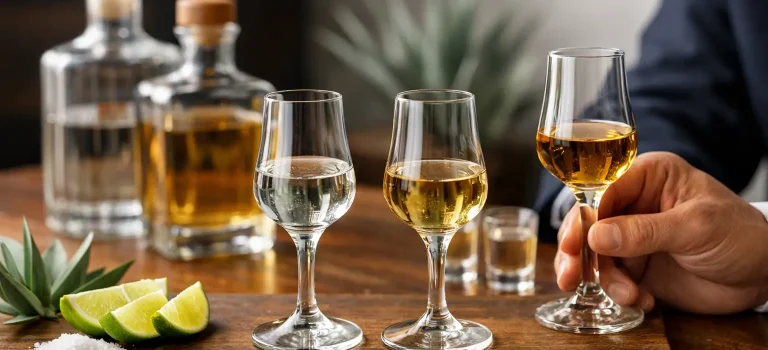
Blanco, reposado, añejo

This is the classic format, and for good reason. It is the clearest introduction to how aging changes tequila. A blanco shows the distillate close to its purest form – vivid agave, citrus, pepper, herbs, minerals. Reposado adds a period of rest in oak, often softening sharper edges and bringing vanilla, baking spice, or light caramel. Añejo takes that evolution further, with more texture and a longer, richer finish.

For first-time tasters, this is often the best starting point. It creates a simple framework without oversimplifying the category. You can taste progression, compare structure, and start building your own preferences.

Vertical flights by producer

If you want a more nuanced experience, a vertical flight from one producer can be revealing. Because the house style remains consistent, the differences from one expression to another become easier to spot. You notice how the same distillery handles agave sweetness, fermentation character, mouthfeel, or oak influence across blanco, reposado, and añejo.

This format appeals to enthusiasts and curious newcomers alike. It makes tequila feel less like a shelf of disconnected bottles and more like a coherent craft tradition.

Single-variable flights

Some of the best tequila tasting flights focus on one production variable. That could mean comparing additive-free tequilas with more polished commercial styles, or exploring lowland versus highland profiles. These flights are especially rewarding when led by someone who can explain cooking methods, fermentation, distillation, and maturation without turning the tasting into a lecture.

This is where tequila becomes truly interesting. Flavor is not random. It reflects decisions, raw material, and origin.

How to recognize a premium tasting experience

A premium tequila flight does not need to feel stiff, but it should feel intentional. The room, the pacing, and the level of expertise all matter. If each pour arrives with a quick label read and no context, you are not really tasting – you are sampling. A guided experience should explain what is in the glass, why it tastes the way it does, and how to approach it.

Look for places that speak confidently about production rather than just prestige. Terms like brick oven cooking, tahona crushing, copper pot distillation, aging conditions, and pearling are not decorative details. They help explain texture, aroma, and finish. They also separate serious spirits education from tourism theater.

Food pairings can elevate the tasting when they are handled with care. A small bite of local chocolate, citrus, or savory accompaniment can highlight hidden notes in a tequila, but pairings should support the spirit rather than overpower it. The best hosts know when to add a pairing and when to let the agave speak alone.

Why Cabo is such a strong place to taste tequila well

Cabo attracts visitors who want pleasure and polish, but many still crave something rooted in place. That is why tequila flights work so well here. In the right setting, they offer a refined social experience while opening the door to a deeper understanding of Mexican culture, regional identity, and artisanal production.

There is also a welcome shift happening among travelers. More guests now want authenticity over spectacle. They are looking for rare bottles, smaller lots, expert curation, and a chance to ask real questions. They want to know why one blanco feels almost saline and crisp while another shows more cooked agave and tropical fruit. They want a tasting that respects their curiosity.

In a destination known for celebration, that kind of thoughtful experience stands out.

Best tequila tasting flights for different drinkers

If you are new to tequila

Start with a three-pour flight and keep the structure simple. Blanco, reposado, and añejo is enough to reveal the arc of the category without overwhelming your palate. A guided tasting helps immensely here because new drinkers often confuse smoothness with quality. Sometimes the most expressive tequila is not the softest one. It may be brighter, more peppery, more alive.

If you already enjoy premium spirits

Choose a flight that goes deeper into method or provenance. Comparative flights are excellent if you appreciate whiskey, rum, or cognac and want to understand tequila with the same level of detail. You will likely enjoy discussing oak regimen, distillation style, and whether the tequila leans floral, earthy, mineral, or confectionary.

If you want a memorable group experience

A guided flight with pairings works beautifully for couples, friends, and private gatherings. It gives everyone a shared structure without forcing the evening into a rigid format. People can compare impressions, discover preferences, and enjoy the social side of tasting without reducing the experience to quick pours.

How to taste tequila like you mean it

Take a small sip first and let it coat the palate. Notice texture before flavor. Is it lean and crisp, or round and silky? Then return for aroma and finish. Good tequila changes as it opens, especially when you give it a little time in the glass.

Avoid rushing straight to whether you like it. Ask what you are tasting. Cooked agave can suggest honey, roasted squash, earth, or sweet herbs. Oak may bring vanilla, cinnamon, nuts, or dried fruit. Some tequilas feel lifted and citrusy. Others settle into cocoa, tobacco, and spice.

Water and pacing matter. So does order. Start with lighter expressions and move toward older or more intense ones. If a host offers guidance on this, it is usually a sign the tasting was designed with care.

What the best tequila tasting flights leave you with

A strong flight does more than help you pick a favorite bottle. It gives you a clearer sense of what tequila can be when it is made with intention and presented with respect. You leave understanding not just aging categories, but also the role of agave, terroir, craftsmanship, and cultural context.

That is what makes a tasting worth remembering. At Santos Destilados, that philosophy shapes the experience from the first pour to the last conversation – welcoming, precise, and proudly grounded in Mexico’s distilling traditions.

When you choose a tequila flight in Cabo, choose one that slows the moment down just enough for the spirit to tell its story.

A Guide to Mexican Agave Spirits

A Guide to Mexican Agave Spirits

One sip can tell you where you are. A bright, citrusy tequila suggests the highlands of Jalisco. A savory mezcal with a whisper of smoke can feel like red earth after rain in Oaxaca. A well-made label does more than taste good – it carries landscape, craft, and generations of decision-making. That is the real pleasure behind a guide to Mexican agave spirits: learning how to taste the place inside the glass.

For many travelers, the category starts and ends with tequila. In reality, Mexico’s agave traditions are far broader, more regional, and more expressive than most visitors expect. Once you understand what separates tequila from mezcal, and both from bacanora, raicilla, sotol, and pox, the tasting experience becomes far richer. You stop asking which one is strongest and start asking better questions – where was it made, which plant was used, how was it cooked, and what story does this bottle tell?

A guide to Mexican agave spirits starts with the plant

Agave spirits are not one single family with minor variations. They are a collection of regional traditions shaped by local species, production methods, climate, and regulation. Even within one category, flavor can shift dramatically depending on altitude, soil, fermentation, water source, and the hand of the producer.

Agave itself is a succulent, not a cactus, and it takes patience. Some varieties mature in six to eight years, while others need far longer. During that time, the plant concentrates sugars in its heart, or piña, which is harvested, cooked, crushed, fermented, and distilled. Every one of those choices affects the final spirit.

That is why two bottles made from agave can feel worlds apart. One may be floral and polished. Another may be earthy, herbal, briny, or deeply mineral. The broad category is unified by raw material, but the details are where character lives.

Tequila, mezcal, and the rest

Tequila is the most internationally recognized agave spirit, and for good reason. It is made primarily in Jalisco, with limited production in a few other states, and it must use Blue Weber agave. When a bottle says Tequila 100% Blue Agave, it means all fermentable sugars come from agave rather than blended sources. That matters because it usually points to a cleaner expression of the plant and a more focused sense of origin.

In the glass, tequila often shows citrus, pepper, herbs, cooked agave sweetness, and, depending on maturation, vanilla or baking spice from oak. Blanco tequila tends to showcase the agave most directly. Reposado and añejo can be beautiful, but barrel influence becomes part of the conversation. Neither approach is better by default. It depends on whether you want brightness and purity or added depth from aging.

Mezcal is broader and less uniform, which is part of its appeal. It can be made from many agave varieties and across several approved regions, with Oaxaca as the best-known center. Traditional mezcal often involves roasting agave in earthen pits, which can contribute smoky notes, though smoke should never be the whole story. Good mezcal can also show tropical fruit, wet stone, green herbs, leather, cocoa, flowers, and salinity.

This is where many first-time drinkers get surprised. Not all mezcal is intensely smoky, and smoke alone is not a marker of quality. Some of the most elegant mezcals are defined more by texture, minerality, and structure than by char.

Raicilla is one of western Mexico’s most compelling categories, produced mainly in Jalisco. Depending on where and how it is made, it can lean wildly expressive – funky, fruity, lactic, grassy, or vividly herbal. Bacanora, from Sonora, often carries a dry, desert character that feels leaner and more savory. Sotol is technically not made from agave but from the desert spoon plant, and it deserves a place in this conversation because drinkers often encounter it alongside agave spirits. It can be grassy, spicy, and beautifully rustic.

Then there is pox, a traditional spirit from Chiapas made from corn, sugarcane, and sometimes wheat. It sits outside the agave category, but it often appears in serious tastings of Mexican heritage spirits because it expands the conversation beyond what most visitors assume Mexican distillation to be.

Why production changes flavor so much

Any useful guide to Mexican agave spirits has to go beyond labels and into process. Production is not background detail. It is flavor.

Start with cooking. Agave can be steamed in above-ground ovens, as is common in much tequila production, or roasted in earthen pits, as in many mezcal traditions. Steaming tends to preserve cleaner, sweeter agave tones. Pit-roasting can add earth, smoke, and deeper savory notes.

Then comes extraction. Some producers use a tahona stone to crush cooked agave, while others use mechanical shredders or mills. Fermentation may happen in wood, stone, stainless steel, or animal hide in certain traditional contexts. Wild yeasts can create more unpredictable, layered results. Cultivated yeast can offer consistency and control. Again, neither path is automatically superior. Small-batch craft often values variation and texture, while larger-scale production may prioritize precision.

Distillation matters just as much. Copper stills often bring a certain clarity and polish. Clay pot distillation can create a softer, earthier, more textural spirit. Proof also shapes the experience. Some artisanal bottlings are presented at still strength, where aromatics feel vivid and the structure has more edge. Lower proof expressions may seem gentler but can also lose some complexity.

Even a detail like pearling has a place in traditional tasting culture. When a spirit is poured with a bit of height and forms a stable crown of tiny bubbles, producers may read that visual cue as one sign of body, alcohol balance, and traditional character. It is not a laboratory test, but it is part of the language of the craft.

How to taste agave spirits with more confidence

The fastest way to miss a great bottle is to judge it like a shot. Fine agave spirits reward a slower pace.

Begin with the nose before the sip. Let the glass rest for a moment and take in the first aromas gently. With tequila, you may find cooked agave, black pepper, citrus peel, olive, or fresh herbs. With mezcal and related spirits, look for layers rather than one dominant note – smoke, yes, but also fruit, clay, green vegetation, mineral tones, salt, or even cheese rind.

On the palate, pay attention to texture as much as flavor. Is it silky, oily, bright, creamy, or dry? Does the spirit spread wide or arrive in a narrow line? Premium agave spirits often reveal themselves through shape and length, not just intensity.

Pairing can sharpen your perception. A sip alongside dark chocolate may pull out spice, cocoa, or roasted notes. Citrus and local savory bites can highlight salinity, fruit, or herbaceous character. This is one reason guided tastings feel so illuminating. A strong host does more than pour – they create context that helps your palate notice what it would otherwise miss.

What to buy and what to order

If you are choosing a bottle or deciding what to taste first, start with your preferences rather than category prestige. If you love clean, structured spirits like unaged rum or gin, a blanco tequila or a fresh, mineral mezcal may be the best opening move. If you enjoy peated Scotch or smoky cocktails, a mezcal with pronounced roast character can feel familiar. If you like funkier agricole rhum or natural wine, raicilla may be your category.

Price helps, but only to a point. In agave spirits, rarity, yield, and hand labor can push prices up quickly, especially with wild agaves. Higher price can reflect real scarcity and craftsmanship. It can also reflect hype. The better question is whether the bottle is transparent about category, producer, process, and origin.

For travelers, there is another layer: access. Some of the most memorable bottles are not the ones you already know from back home. They are the regional labels made in small lots, poured by someone who can explain why this village uses this still, why this agave tastes different after a dry season, or why one reposado keeps its oak in the background while another wears it loudly.

That is where a curated tasting earns its place. In a thoughtful setting, whether you walk in spontaneously or reserve a private experience, you can compare categories side by side and understand them with precision. At Santos Destilados, that side-by-side clarity is part of the pleasure – premium, warm, and rooted in genuine Mexican distilling culture rather than tourist shorthand.

The best bottle is rarely the one with the flashiest reputation. It is the one that makes you pause after the sip, smile a little, and realize you have just tasted something honest. When that happens, Mexican agave spirits stop being a souvenir and become a memory with structure, aroma, and place.

How to Choose Sipping Tequila Well

How to Choose Sipping Tequila Well

A tequila meant for sipping should make you slow down. Not because it is harsh, but because it keeps changing in the glass – roasted agave, citrus oil, warm spice, mineral notes, a soft pepper lift, maybe a trace of vanilla or cacao depending on how it was aged. If you have ever wondered how to choose sipping tequila without getting distracted by flashy bottles or tourist-shop buzzwords, the answer starts with knowing what the spirit is trying to express.

How to choose sipping tequila starts with category

The first question is not whether you want the most expensive bottle. It is whether you want to taste agave, oak, or a balance of both. That choice will shape everything that follows.

Blanco is the clearest window into the plant. A great blanco can be vivid, peppery, floral, herbal, or richly cooked, depending on where the agave was grown and how the tequila was made. If you want purity, brightness, and a spirit that speaks directly of agave, blanco is often the most revealing place to begin.

Reposado rests in oak, usually for a few months, which softens the edges and adds texture. You may notice honey, light baking spice, toasted almond, or gentle vanilla, but the best examples still keep the agave in view. For many drinkers, reposado is the easiest entry into sipping tequila because it offers both freshness and comfort.

Anejo and extra anejo spend longer in barrel, which brings deeper notes of caramel, dried fruit, cacao, tobacco, and polished wood. These can be beautiful sipping tequilas, especially for whiskey or cognac drinkers, but there is a trade-off. The more oak influence you get, the easier it is for the barrel to overshadow the agave. If your goal is to experience tequila as tequila, not simply as another dark aged spirit, age alone should not be mistaken for quality.

Look for 100% blue agave, then look past the label

If you are choosing a bottle for sipping, begin with tequila labeled 100% blue agave. That tells you the spirit was made entirely from blue weber agave sugars rather than blended with other sources. It is the baseline for a more expressive, more honest pour.

After that, the label matters less than most people think. Words like premium, reserve, or ultra are not guarantees of character. A handsome decanter can hold a forgettable tequila. A simpler bottle can contain something deeply elegant. What matters more is whether the producer is known for careful, small-batch work and whether the flavor profile aligns with your palate.

This is where guided tasting becomes invaluable. Reading a back label can only take you so far. Tasting side by side reveals much more quickly whether you prefer green, highland brightness, earthier cooked agave depth, or a rounder barrel-rested style.

Production method tells you what kind of sip to expect

When people ask how to choose sipping tequila, they often focus on aging first. In practice, production method may tell you even more.

Start with the agave itself. Mature agaves, harvested at the right moment, bring sweetness, structure, and complexity. Then comes cooking. Traditional slow cooking in brick ovens tends to preserve richer agave character, while other methods can produce a different profile. Extraction, fermentation, and distillation all shape the final spirit as well.

A tequila made with attention at every step usually tastes integrated. The aroma feels precise rather than loud. The palate unfolds rather than spikes. The finish lingers cleanly. If a tequila smells overly sweet, tastes artificial, or seems designed to imitate dessert rather than express agave, it may impress at first and tire the palate quickly.

Texture is another clue. Fine sipping tequila should feel intentional on the palate – silky, weighty, bright, oily, or mineral, depending on style, but never clumsy. In tasting rooms devoted to Mexican distillates, one of the pleasures is noticing these small details: how the spirit opens, how it forms in the glass, even whether it shows a graceful pearling when handled properly. Those signs do not replace flavor, but they deepen your understanding of craftsmanship.

Choose by flavor profile, not prestige alone

The best sipping tequila for you depends on what you already enjoy drinking.

If you love crisp white wines, gin, or raw-bar flavors, a vibrant blanco with citrus, herbs, and minerality may feel thrilling. If you gravitate toward bourbon, rum, or aged brandy, a reposado or anejo with more oak spice and roundness may be the better fit. If you enjoy savory complexity, look for tequilas with olive, wet stone, black pepper, or roasted agave notes rather than overt sweetness.

This matters because prestige can be misleading. Some drinkers assume the oldest category is automatically the smoothest and therefore the best. Others chase celebrity labels or luxury packaging. But sipping tequila is not a status contest. It is a conversation between agave, place, and process. Sometimes the most captivating bottle in a tasting is the blanco that feels alive from first nosing to final finish.

How to choose sipping tequila in a tasting room

If you are choosing in person, resist the urge to buy the first bottle someone says is popular. Ask to taste across categories. A well-curated flight will show you more in fifteen minutes than online reviews will show you in a week.

Notice the nose first. A quality sipping tequila should invite you in, not overwhelm you with alcohol. Then take a small sip and let it move across the palate. Good tequila does not need to burn to prove itself. It can be assertive, but it should also be balanced. Finally, pay attention to the finish. That is where quality often reveals itself. A lovely finish may be peppery, creamy, mineral, floral, or spicy, but it should feel clean and persistent.

Ask practical questions. Is this producer known for traditional methods? Is the house style more agave-forward or oak-forward? Is this a bottle you would sip before dinner, after dinner, or alongside food? Those answers are far more useful than hearing that something is top shelf.

For travelers in Cabo, this is often the difference between buying a generic souvenir and finding a bottle with real story and place behind it. In a boutique setting such as Santos Destilados, where the tasting is guided with cultural and technical context, you can compare tequila with other Mexican distillates and understand what makes each category distinct. That perspective tends to sharpen your tequila choices immediately.

Pair the bottle with the moment

One overlooked part of choosing sipping tequila is deciding where it belongs in your life. A bright blanco may be perfect for an afternoon pour with oysters, ceviche, or citrus-forward dishes. A reposado can sit beautifully beside roasted vegetables, grilled seafood, or artisanal chocolate. An anejo may suit a slower evening, maybe after dinner, when you want depth and warmth without rushing the glass.

Price should be considered this way too. A more expensive bottle can be worth it if it offers genuine complexity, length, and craft. But value is not just about age statement or bottle design. It is about whether the tequila delivers a memorable experience each time you pour it.

If you are buying for a group, aim for versatility. Reposado often wins here because it feels generous to newcomers while still interesting to seasoned drinkers. If you are buying for yourself and want to learn, a characterful blanco can teach you more about tequila than almost any other style.

Common mistakes when choosing sipping tequila

The most common mistake is equating smoothness with quality. Some tequilas are engineered to taste sweet and easy, but simplicity is not the same as elegance. A great sipping tequila can have structure, spice, and personality while remaining beautifully balanced.

The second mistake is assuming all aged tequila is superior. Barrel aging can add richness, but it can also blur identity. If the agave disappears, the spirit may please some palates while losing what makes tequila distinctive.

The third is buying without tasting whenever possible. Sipping tequila is deeply personal. One drinker may fall for a floral highland blanco, while another prefers the darker, wood-kissed tone of an anejo. Neither is wrong. The point is to choose with your senses, not just with marketing.

A final thought: the right sipping tequila is the one that makes you curious enough to take another thoughtful sip. Choose the bottle that shows you agave with clarity, craftsmanship with honesty, and Mexico with grace in the glass.

Blanco vs Reposado Tequila: Which to Sip?

Blanco vs Reposado Tequila: Which to Sip?

Order a tequila neat in Cabo and one of the first meaningful choices is not expensive versus affordable. It is blanco vs reposado tequila. That single decision changes the aroma in the glass, the texture on the palate, and even the way the spirit pairs with food, chocolate, or a classic cocktail.

For many travelers, tequila starts as a vacation pour and turns into a real curiosity the moment they taste two expressions side by side. One feels vivid, bright, and full of fresh agave character. The other arrives rounder, softer, and touched by time in oak. Both can be excellent. The better question is not which category is superior, but what you want to experience.

Blanco vs reposado tequila at a glance

Blanco tequila is generally bottled soon after distillation, or rested only briefly in stainless steel or neutral containers. It shows the distillery’s hand with very little filter from wood. When a blanco is well made, you can taste the roasted agave, the fermentation profile, the water source, and the precision of the cut points with striking clarity.

Reposado tequila, by law, is aged in oak for at least two months and up to one year. That aging can happen in different barrel types and sizes, and those choices matter. Reposado still carries agave character, but oak begins to shape the spirit with notes that may lean toward vanilla, baking spice, toasted nuts, caramel, or gentle smoke depending on the producer’s style.

The gap between the two is not only color. It is philosophy. Blanco often speaks in a clear, high voice. Reposado speaks with a lower, warmer register.

What blanco tequila tastes like

A strong blanco usually opens with cooked agave, citrus peel, pepper, herbs, and a mineral edge. Some bottlings show floral lift. Others lean earthy or savory. In more traditional profiles, you may also notice olive brine, anise, or a slightly lactic note from fermentation. These are not flaws when they are balanced. They are part of tequila’s personality.

Because blanco is less influenced by oak, small production choices become easier to detect. Brick oven versus autoclave cooking, roller mill versus tahona extraction, open-air fermentation versus controlled tanks – each choice can leave a mark. That is why enthusiasts often reach for blanco when they want to understand a producer’s true house style.

On the palate, blanco tends to feel brisker and more angular than reposado. That energy is part of its appeal. A fine blanco can be thrilling with seafood, bright salsas, citrus-driven dishes, and fresh cheeses. It also shines in cocktails where agave character should lead rather than disappear behind sweetness or wood.

What reposado tequila tastes like

Reposado begins with the same base spirit, but time in barrel rounds the edges. Fresh agave remains present in the best examples, yet it is joined by soft vanilla, cinnamon, toasted oak, light caramel, and a silkier finish. The texture often feels more polished, which makes reposado especially inviting for drinkers who enjoy whiskey, rum, or barrel-aged spirits.

That said, not all reposados age gracefully. If the barrel influence is too heavy, the tequila can lose its identity and drift into generic sweetness. A thoughtful reposado keeps the agave visible. It should feel integrated, not dressed up beyond recognition.

Reposado is often the style that wins people over during a guided tasting because it sits in a very pleasing middle ground. It offers more structure and warmth than blanco, but usually remains fresher and more agile than añejo. With food, it can pair beautifully with grilled meats, mole, roasted vegetables, and darker chocolate.

Which one is better for sipping?

It depends on what you value in a glass.

If you want tequila in its clearest, most transparent form, blanco is the better sip. It rewards attention. You notice the quality of the agave, the precision of the distillation, and the texture without much disguise. For guests who love terroir, craft production, and category education, blanco is often the most revealing place to start.

If you prefer a gentler entry point with more sweetness and oak-driven comfort, reposado may feel more luxurious right away. It can be especially appealing in the evening, after dinner, or for anyone crossing over from bourbon or aged rum.

A useful way to think about it is this: blanco is the truest expression of the agave plant, while reposado is the conversation between agave and wood. Neither is inherently more premium. Quality lives in the producer, the raw material, and the restraint behind the style.

Blanco vs reposado tequila in cocktails

Blanco usually performs better in cocktails that depend on brightness and snap. A Tommy’s Margarita, a Paloma, or a Ranch Water comes alive when the tequila still tastes like agave. The citrus feels cleaner, the finish stays fresher, and the drink keeps its energy.

Reposado brings more depth and spice to cocktails. In a Margarita, it can create a rounder, richer version with less bite. In stirred drinks or tequila takes on an Old Fashioned, reposado often makes more sense because the oak notes echo the cocktail’s structure.

There is a trade-off, though. In very fresh cocktails, barrel notes can mute the vivid edge that many people love in tequila. In spirit-forward drinks, that same softness can feel elegant and composed. The right choice depends on the style of drink you want, not on a fixed rule.

How aging changes more than flavor

Barrel aging affects aroma and taste, but it also changes mouthfeel and perception. Reposado often seems smoother, even when the alcohol level is similar, because oak tannin, oxidation, and slight evaporation reshape the spirit over time. That can make it feel more approachable to casual drinkers.

Blanco, on the other hand, can seem sharper at first sip, especially if you are used to aged brown spirits. Yet that clarity is exactly what serious agave drinkers chase. It is where you find the green, peppery, citrusy, mineral qualities that make tequila distinct from every other category on the shelf.

This is one reason guided tastings matter. Tasting both side by side reveals that smoothness is not the only marker of quality. Sometimes the livelier, more structured pour is actually the more articulate spirit.

How to choose the right bottle

If you are buying a bottle to bring home, think beyond the label color. Ask how you plan to enjoy it.

For cocktails, entertaining, and discovering a producer’s purest profile, start with blanco. It is versatile, expressive, and often the best benchmark for quality. If you want a sipping bottle for guests who enjoy whiskey-like softness, reposado is usually the safer crowd-pleaser.

If you are shopping for a gift, reposado often feels familiar to a broader audience because of the oak influence. If the recipient is already a spirits enthusiast, a beautifully made blanco can be the more exciting choice because it offers something less expected and more transparent.

Price can also complicate assumptions. A more expensive reposado is not automatically better than a carefully made blanco. Extra barrel time adds cost, but cost is not the same thing as character.

What to look for in a tasting

The best way to understand blanco vs reposado tequila is not through marketing language. It is through comparison in the glass. Begin with the nose before you sip. Blanco should offer fresh agave, citrus, herbs, pepper, and minerality. Reposado should still show agave, but with oak, spice, and a softer aromatic frame.

Then pay attention to the finish. Does the blanco leave a clean, vivid trail of agave and pepper? Does the reposado finish with warming spice and a rounded sweetness? Notice texture too. One may feel more electric, the other more velvet-like.

At Santos Destilados, this is where the experience becomes especially memorable. When tequila is poured with context, alongside thoughtful pairings and a clear explanation of process, category differences stop feeling abstract. They become deliciously obvious.

The choice that says the most about your palate

People often ask which style experts prefer, as if there should be a final winner. In practice, most serious tequila drinkers want both. Blanco for precision, energy, and honesty. Reposado for softness, warmth, and a different kind of complexity.

If you are standing at the start of your tequila journey, choose blanco when you want to meet agave face to face. Choose reposado when you want that agave framed by oak and time. Then taste them side by side whenever you can. That is when tequila stops being a souvenir and starts becoming a story worth savoring.