Tequila 100 Percent Blue Agave Explained

Tequila 100 Percent Blue Agave Explained

The phrase tequila 100 percent blue agave shows up on labels everywhere, yet many travelers still pause at the shelf and wonder what they are actually buying. That hesitation makes sense. Tequila has become globally popular, but popularity often flattens the details that matter most – origin, raw material, production style, and why one bottle feels silky and expressive while another reads sharp or anonymous.

If you want a better tequila experience, this is one of the first distinctions worth understanding. Not because jargon makes a drink better, but because the words on the label tell you a great deal about what is in the glass.

What tequila 100 percent blue agave means

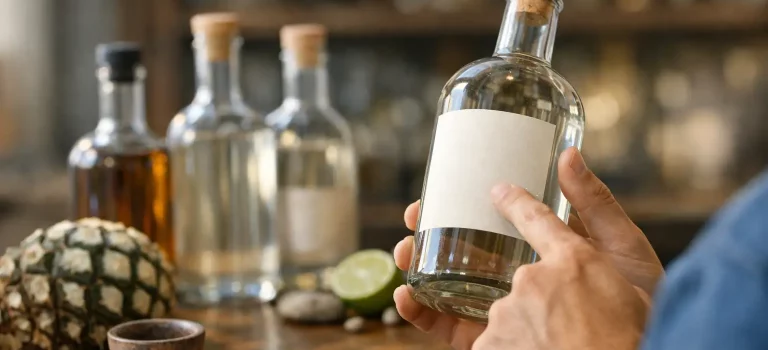
At its simplest, tequila 100 percent blue agave is made entirely from sugars derived from Blue Weber agave, the plant required for tequila production. That matters because tequila can legally fall into two broad categories. One is 100% agave tequila. The other is mixto tequila, which blends agave sugars with other sugars during fermentation.

For drinkers, this difference is usually easy to taste. A 100% agave tequila tends to show more of the agave itself – herbal freshness, roasted sweetness, citrus, pepper, mineral notes, and a cleaner, more articulate finish. A mixto can still be useful in some settings, especially in high-volume cocktails, but it often offers less clarity and less sense of place.

This is why the phrase matters. It is not marketing fluff when used correctly. It is a category statement with real implications for flavor, texture, and quality expectations.

Why blue agave matters so much

Blue Weber agave is not a neutral raw material. It carries character from the field to the final spirit. Soil, altitude, climate, maturity at harvest, and cooking method all influence the result. In tequila, the agave can deliver notes that range from baked honey and tropical fruit to black pepper, green olive, wet stone, cinnamon, and fresh herbs.

That range is part of the beauty. Two bottles can both be tequila 100 percent blue agave and still taste very different. One may lean bright and floral. Another may feel earthy and savory. Another may carry rich vanilla and toasted spice from barrel aging. The category gives you a standard. It does not erase craft differences.

For curious drinkers, that is where tequila becomes far more interesting than the old party stereotype suggests.

Tequila 100 percent blue agave vs. mixto

This comparison is where many buying decisions become much easier. A mixto tequila does not have to be undrinkable, but it is typically built for a different purpose and a different price point. If your goal is to taste the soul of agave, 100% agave is the better lane.

The distinction often shows up in texture and finish. A good 100% agave tequila can feel rounded, layered, and alive on the palate. Even an unaged blanco can have depth and elegance. By contrast, lower-end mixtos may present more blunt sweetness or heat without much development.

There is also a practical side. If you are sipping neat, ordering a tasting, buying a gift, or bringing home a bottle that reflects Mexico with some integrity, choosing 100% blue agave is usually the safest first filter. It will not guarantee greatness, because production choices still matter, but it dramatically improves your odds.

How production shapes the final spirit

Once a tequila starts with 100% blue agave, the next question is how that agave is handled. This is where quality can rise or flatten.

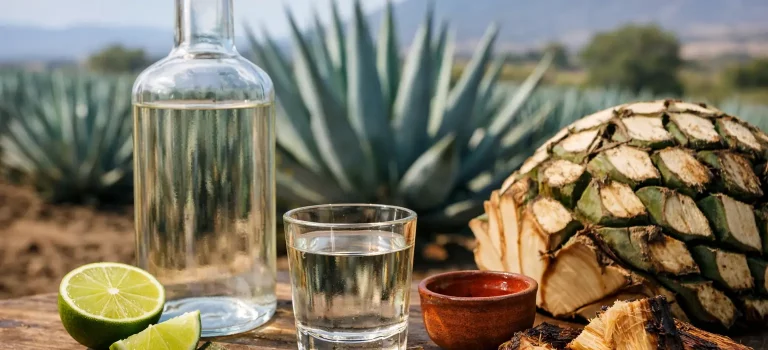
Harvest begins with the jimadores, who remove the leaves and reveal the piña, the agave heart. Those piñas are then cooked to convert complex carbohydrates into fermentable sugars. Some producers use traditional brick ovens, which often create deeper roasted agave character. Others use autoclaves, which are more efficient and can still produce excellent tequila depending on how they are managed.

After cooking, the agave is crushed to extract juice. Fermentation follows, and then distillation refines the spirit. Every choice along the way affects aroma and mouthfeel. Slow fermentation may preserve nuance. Thoughtful distillation can enhance purity without stripping personality. Barrel aging, when used, adds another layer – vanilla, caramel, baking spice, dried fruit, toasted oak.

This is why not all premium labels taste alike, even within the same category. Tequila is agricultural, technical, and deeply stylistic at once.

What the aging categories tell you

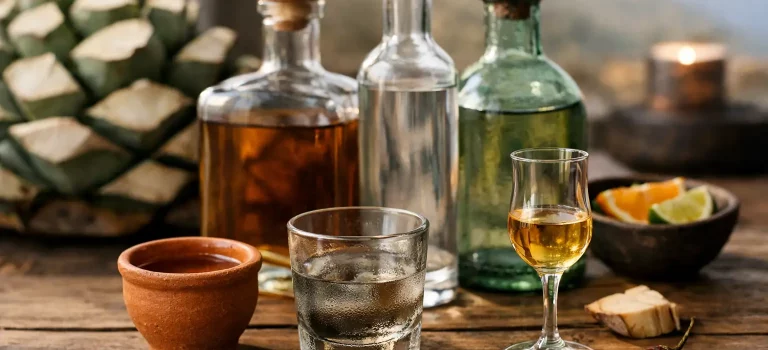
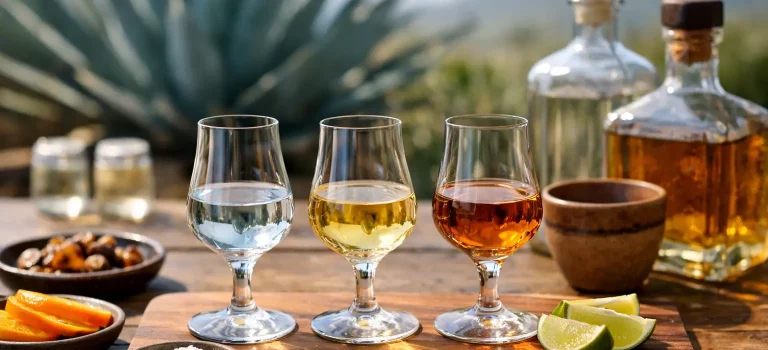
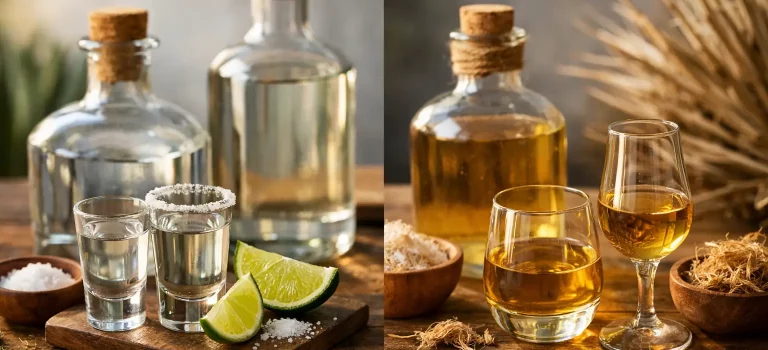
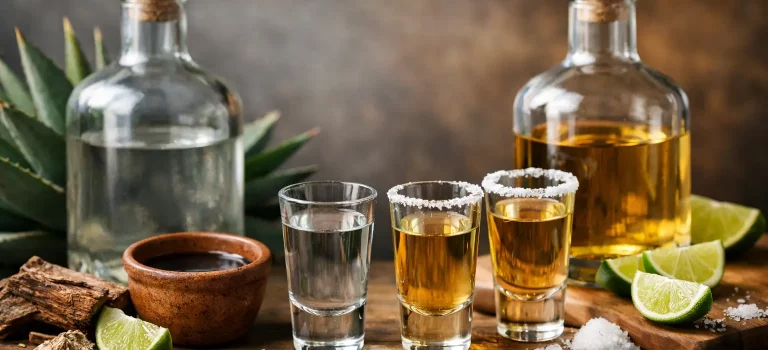
If you are standing in front of a shelf, the next clue after 100% agave is age statement by style. Blanco is typically the clearest lens into the agave itself. It can be crisp, peppery, citrusy, and vibrant. A strong blanco is often the best place to begin if you want to understand the spirit without oak stepping in too loudly.

Reposado spends time in barrel and tends to soften into notes of vanilla, light caramel, and sweet spice while still retaining agave presence. It can be a graceful middle ground for drinkers who want freshness with a little polish.

Añejo moves deeper into barrel influence. Here you may find richer notes of toffee, cocoa, orange peel, and baking spice. Some drinkers love that extra depth. Others feel too much oak can blur the agave. It depends on the producer and on your palate.

Extra añejo goes further still, often appealing to whiskey drinkers who are just beginning to explore tequila. These can be luxurious, but the trade-off is that wood can become the dominant voice if not balanced carefully.

How to choose a bottle with confidence

If you are new to the category, start with your drinking occasion. For neat sipping and tasting, look first for a well-made blanco or reposado labeled 100% blue agave. These styles tend to show both quality and character clearly. For cocktails, a blanco is often the most versatile choice because it keeps the agave front and center.

Price helps, but only up to a point. Very cheap tequila 100 percent blue agave can exist, but exceptional examples usually reflect the cost of mature agave, production care, and smaller-scale craftsmanship. That said, the most expensive bottle is not automatically the most authentic or the most delicious. Packaging can inflate a price quickly.

Producer style matters more than flashy glass. Look for balance, transparency, and a sense that the tequila tastes like agave rather than sugar, oak, or additives alone. If possible, taste before buying. A guided tasting can save you from choosing by label design or celebrity appeal.

What to taste for in the glass

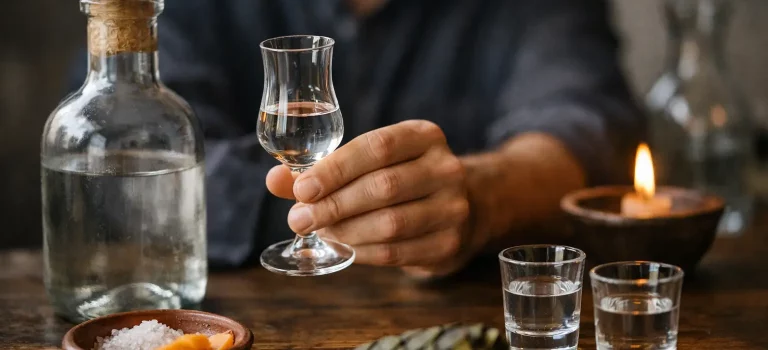
A proper pour rewards a little attention. Start with the aroma. Good tequila should invite you in, not burn you off immediately. In a 100% blue agave blanco, you might notice cooked agave, citrus zest, white pepper, mint, fresh-cut herbs, or mineral notes. In reposado and añejo styles, vanilla, cinnamon, almond, cacao, and gentle oak may begin to appear.

On the palate, texture matters as much as flavor. A fine tequila often feels silky or structured rather than thin and harsh. The finish should carry flavor forward, not collapse into raw alcohol. One of the most charming traditional indicators during tasting is pearling – the delicate ring of bubbles that can appear when the spirit is swirled or poured, offering clues about body and alcohol integration.

The goal is not to hunt for tasting notes like a test. It is to notice whether the tequila feels coherent, expressive, and honest.

Why this matters more in a tasting setting

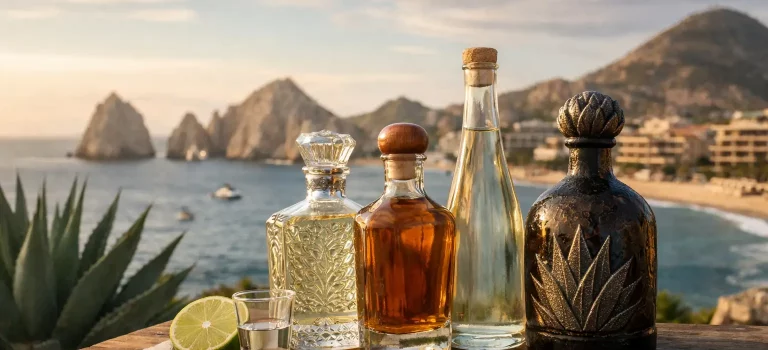
For many visitors to Cabo, tequila begins as a souvenir idea and ends as a genuine fascination once they taste it with context. That shift happens because tequila is best understood through comparison. A single sip tells you whether you like a bottle. A curated tasting shows you why one blanco tastes high-toned and citrusy, why another leans earthy, and how oak changes the conversation in reposado and añejo.

That is where the category opens up. You stop asking only which bottle is smooth and start asking better questions about region, method, maturity, and style. At Santos Destilados, that kind of tasting is part of the pleasure – learning how tequila sits within the larger world of Mexican distillates, from mezcal and raicilla to sotol and bacanora, while still appreciating what makes tequila distinct.

If you remember one thing, let it be this: tequila 100 percent blue agave is not just a nicer label phrase. It is the doorway to tequila with more identity, more craftsmanship, and more to talk about after the first sip.

Why Is Mezcal Not Tequila?

Why Is Mezcal Not Tequila?

You can taste the confusion in one sentence people say every day in tasting rooms: why is mezcal not tequila if both come from agave? It is a fair question, especially when both spirits are proudly Mexican, both can be beautifully artisanal, and both can offer remarkable depth in the glass. But treating them as interchangeable misses the point – and misses a great deal of what makes each one worth savoring.

The short answer is this: tequila is a type of agave spirit with very specific legal and production rules, while mezcal is its own protected category with a broader range of agaves, traditions, and flavor outcomes. They are related, but they are not the same spirit wearing different labels.

Why is mezcal not tequila? Start with the agave

If you remember only one distinction, make it this one. Tequila must be made from Blue Weber agave. Not sometimes, not usually – always. That single-agave requirement gives tequila a tighter stylistic framework, even though terroir, cooking, fermentation, and aging still create plenty of variation.

Mezcal, by contrast, can be made from many agave species. Espadín is the most common, but it is far from the only one. Tobalá, tepeztate, madrecuixe, cuishe, and others can all shape a mezcal in very different directions. Some are floral and bright, some earthy and savory, some intensely herbal, and some almost creamy in texture.

That wider agave universe is one big reason mezcal is not tequila. Tequila begins with a single botanical lane. Mezcal opens the door to a whole landscape.

Region matters more than most people realize

Another reason people ask why is mezcal not tequila is that both are Mexican spirits with denomination of origin protections. That part is true, but the approved regions are different.

Tequila is primarily associated with Jalisco, though a few other Mexican states are also authorized to produce it under the denomination. Its heartland has a strong agricultural and industrial identity, and many of the world’s most recognized tequila houses come from this region.

Mezcal is authorized across a different set of states, with Oaxaca as its most iconic home. When people picture mezcal production – earthen pit roasting, small palenques, hand-crafted batches – they are often imagining Oaxacan traditions. But mezcal also comes from places like Durango, Guerrero, Puebla, San Luis Potosí, and more, each with its own local style.

Geography is not a footnote here. Soil, altitude, climate, wild yeast activity, water source, and local practice all shape the final spirit. In agave distillates, place is flavor.

The production methods create different personalities

This is where the conversation gets delicious.

Tequila production typically uses above-ground ovens or autoclaves to cook agave, then modern milling methods, controlled fermentation, and usually copper or stainless steel distillation. There are artisanal exceptions and beautifully traditional producers, but in broad terms tequila production tends to be more standardized.

Mezcal often begins with agave hearts roasted in underground pit ovens lined with hot stones and covered with earth. That roasting method is one major source of mezcal’s signature smoky notes, though smoke is not the whole story and not every mezcal tastes heavily smoky. After roasting, the agave may be crushed with a tahona stone, fermented in open-air wooden vats, and distilled in small copper stills or even clay pot stills depending on the region.

So when someone asks why is mezcal not tequila, the answer is not simply that mezcal tastes smokier. It is that mezcal often comes from a different production philosophy – one rooted in regional variation, smaller-scale methods, and a broader range of ancestral and artisanal techniques.

Smoke is real, but it is not the full definition

One of the most common shortcuts is this: tequila is smooth, mezcal is smoky. That shorthand is easy, but it flattens both categories.

Yes, many mezcals carry smoke because of pit roasting. But excellent mezcal can also show roasted fruit, wet earth, green pepper, wild herbs, citrus peel, cacao, minerality, and saline notes. Some are delicately smoky. Some are boldly savory. Some surprise first-time drinkers by being much more elegant than campfire-like.

Tequila, meanwhile, is not a neutral spirit with one fixed profile. A high-quality blanco can show cooked agave, black pepper, citrus, olive, herbs, and a mineral snap. Reposados and añejos bring oak influence, spice, vanilla, and texture, though oak can either complement the agave or overshadow it depending on the producer.

The better question is not which one is stronger in personality. It is which personality you want in the moment.

Legal definitions draw a hard line

Beyond flavor, there is a legal reason mezcal is not tequila. Each belongs to its own protected denomination, with separate regulatory standards.

Tequila has its own official rules around region, agave species, category labeling, and production. Mezcal has a different regulatory framework that defines where it can be produced, which agaves are allowed, and how categories such as ancestral, artesanal, or mezcal are classified.

This matters because the labels are not casual marketing terms. They indicate real distinctions in raw material, place, and process. You are not looking at two names for the same thing. You are looking at two distinct categories under Mexican law and tradition.

Why tequila feels more familiar to many US travelers

For many American visitors, tequila arrives with more cultural familiarity. It appears in classic cocktails, upscale bars, celebratory pours, and backbar collections across the US. Even people who have never explored premium tequila usually know the name and have some reference point for it.

Mezcal often enters the conversation later, usually as the more mysterious cousin. It can feel niche, rustic, or adventurous, depending on how it has been introduced. That framing is partly marketing and partly history. Tequila became a major export earlier and at larger scale. Mezcal, especially in its more traditional expressions, remained less understood outside Mexico for much longer.

That does not make mezcal more authentic than tequila, or tequila less worthy of connoisseurship. It simply means the two categories have traveled differently. One became globally recognizable sooner. The other retained more of its regional mystery until recent years.

Which one is better? It depends on what you value

This is where a good tasting changes everything.

If you value precision, a strong through-line of Blue Weber agave, and a broad spectrum from crisp blanco to elegant extra añejo, tequila may speak to you first. If you value wild variation, rustic complexity, and the thrill of tasting different agave species and traditional methods, mezcal may feel more compelling.

There are also practical trade-offs. Tequila can be easier for newcomers to approach, especially in cocktails or as a first sipping agave spirit. Mezcal can offer more dramatic individuality from bottle to bottle, but that same variability means not every mezcal is the right first mezcal for every palate.

The beautiful part is that you do not have to choose a permanent side. The more useful skill is learning how to taste the differences with intention.

How to taste tequila and mezcal side by side

A side-by-side pour makes the distinction clear faster than any definition. Start with a quality blanco tequila and an artisanal mezcal, ideally an espadín if you are new to the category. Nose them slowly before sipping. Tequila will often present cleaner cooked agave and peppery brightness. Mezcal may show roasted notes, but also pay attention to fruit, herbs, clay, salinity, or earth.

Take a small sip and let it move across the palate. Notice texture as much as flavor. Some mezcals feel almost structured, with a layered, lingering finish that unfolds in stages. Some tequilas feel brilliantly focused and linear, with a polished snap that highlights agave sweetness and spice.

If you ever have the chance to taste with expert guidance, take it. Once someone explains agave species, roasting methods, fermentation, and distillation while the aromas are right in front of you, the category lines become vivid. At Santos Destilados, this is exactly where many guests go from curious to captivated.

Why the distinction deserves respect

Asking why is mezcal not tequila is really asking a deeper question: how much do origin and craft matter in a glass? In Mexico, they matter immensely. These are not anonymous spirits. They carry farming traditions, family methods, regional identity, and generations of knowledge.

When you understand that, the distinction stops feeling technical and starts feeling human. Tequila is not mezcal with a polished image. Mezcal is not tequila with smoke. Each one is a cultural expression with its own rules, rhythms, and beauty.

The next time you raise a glass, give both spirits the courtesy of being exactly what they are. That is where the real pleasure begins.

Difference Between Mezcal and Tequila

Difference Between Mezcal and Tequila

Order a tequila in Cabo, and you might get a bright, crisp pour with notes of citrus and herbs. Ask for mezcal, and the glass may arrive with aromas of roasted agave, earth, wildflowers, or a soft ribbon of smoke. The difference between mezcal and tequila is not a matter of one being stronger, fancier, or more authentic than the other. It comes down to origin, agave, production, and the sensory world each spirit opens in the glass.

For many travelers, the confusion starts with a fair question: aren’t they both Mexican agave spirits? Yes – but that shared family line is exactly where the nuance begins. Tequila is a type of agave spirit with highly specific rules. Mezcal is also an agave spirit, but it belongs to a broader and often more diverse category shaped by region, tradition, and a wide range of agave varieties.

What is the difference between mezcal and tequila?

At the most basic level, tequila can only be made from Blue Weber agave and must come from designated regions, primarily in Jalisco. Mezcal can be made from many different agave varieties and is produced in several approved states, including Oaxaca, Durango, Guerrero, San Luis Potosi, and others.

That distinction alone changes almost everything. When a spirit begins with one agave species versus dozens, the flavor map shifts dramatically. When it is roasted in above-ground ovens versus often cooked in underground pits, the final profile changes again. What seems like a simple bar question is really a story about geography, agriculture, technique, and cultural lineage.

Agave: one variety versus many

Tequila is made from one agave only: Blue Weber agave. This creates a more defined raw material standard. Of course, terroir, maturity, cooking, fermentation, distillation, and aging still influence the final result, but the agave itself begins from a single varietal framework.

Mezcal is far more expansive. Espadin is the most common agave used in mezcal, but it is only one expression among many. Tobala, Tepeztate, Arroqueno, Cuishe, Madrecuixe, and Mexicano each bring different sugar levels, aromas, textures, and personality. Some are cultivated, some are semi-wild, and some are harvested from wild populations with great care and significant time investment.

This is why mezcal often feels more varied from bottle to bottle. One pour may lean green and herbal, another tropical and creamy, another mineral and savory. Tequila, especially in its cleanest forms, tends to show a more focused profile of cooked agave, pepper, citrus, herbs, and sometimes floral notes.

Region matters more than most people realize

Tequila is most closely associated with Jalisco, and for good reason. The category is deeply rooted there, both historically and culturally. Some tequila is also produced in limited municipalities in states such as Guanajuato, Michoacan, Nayarit, and Tamaulipas, but Jalisco remains its heartland.

Mezcal has a wider regional identity. Oaxaca is the best-known source and a major reference point for traditional mezcal, but it is not the only one. Different states bring different climates, soils, agave populations, water sources, and production customs. A mezcal from Oaxaca may taste very different from one made in Durango or Guerrero, even when the same agave variety is used.

For drinkers who love wine, this is one of the easiest comparisons to understand. Region is not background detail. It is flavor.

Production: where the biggest flavor differences begin

If you want to understand the difference between mezcal and tequila in sensory terms, production is the place to look.

Tequila agaves are typically steamed or baked in above-ground ovens, and in more industrial settings may be cooked in autoclaves or diffusers. Traditional and additive-free tequila producers can create remarkable complexity, but the cooking process generally preserves a cleaner and less overtly smoky agave character.

Mezcal is often cooked in underground earthen pits lined with rock and heated with wood. The agave hearts roast slowly under earth and fiber, developing deeper, more rustic notes. That is where the famous smoky impression comes from, though smoke should not dominate every quality mezcal. In a well-made mezcal, smoke is one note among many, not the entire performance.

After cooking, tequila producers may use roller mills or tahonas to crush the agave. Mezcal makers often rely on tahonas pulled by horse, mule, or tractor, or use hand tools in smaller palenques. Fermentation methods also vary widely. Mezcal often ferments in open-air wooden vats with ambient yeasts, adding more layers of unpredictability and site-specific character.

Distillation differs too. Tequila is commonly double-distilled in copper pot stills or column stills, depending on the producer’s philosophy and scale. Mezcal may be distilled in copper or clay, and clay distillation can contribute a particularly textured, earthy, and expressive profile.

Is mezcal always smoky?

This is one of the most common misconceptions.

Mezcal often carries smoke because of pit roasting, but not every mezcal tastes heavily smoky. Some are floral, bright, saline, fruity, or vegetal first, with smoke appearing gently at the finish. Others are richer and more assertive. The idea that mezcal is simply tequila plus smoke misses the category entirely.

Tequila, meanwhile, is not smokeless because it lacks character. Great tequila can show remarkable detail – green olive, black pepper, wet stone, citrus peel, cooked squash, anise, mint, or baking spice depending on production and aging. Its profile is usually more linear and polished, but that restraint can be precisely what makes it elegant.

Aging categories can overlap, but the spirits still speak differently

Both tequila and mezcal can be bottled unaged or aged in wood. In tequila, common labels include Blanco, Reposado, and Anejo, with Extra Anejo for longer aging. In mezcal, you may also see Joven, Reposado, and Anejo, though many of the most compelling mezcals are enjoyed young to preserve agave character and regional identity.

Aging can soften edges, add vanilla, caramel, spice, or toast, and make both spirits more familiar to whiskey drinkers. But wood can also blur what makes the agave unique. If your goal is to understand origin and production, unaged expressions often tell the clearest story.

Tequila 100% agave versus mixto

This point matters, especially for visitors who think they dislike tequila because they have only tried party-shot versions.

Tequila labeled 100% agave is made entirely from Blue Weber agave sugars. Mixto tequila can include other sugar sources up to the legal limit. The difference in quality can be dramatic. A well-made 100% agave tequila is often cleaner, more expressive, and more true to the plant.

Mezcal, by category standards, is generally made from 100% agave. That does not mean every bottle is equal, but it does mean the spirit begins from a more traditional baseline.

How to taste mezcal and tequila side by side

The best way to understand these spirits is not through a slogan but through a guided tasting.

Start with a Blanco tequila and a joven mezcal. Smell first, before sipping. Notice whether the aroma leans toward citrus, pepper, and herbs or toward roasted agave, earth, blossoms, and mineral notes. Then take a small sip and let it coat the palate. Texture matters as much as flavor. Some tequilas feel sleek and crystalline. Some mezcals feel broader, wilder, or more layered.

Look for the finish too. Tequila often leaves a neat, lifted impression. Mezcal may unfold in stages, revealing smoke, sweetness, spice, and salinity one after another. Neither style is better. It depends on what kind of drinking experience you want.

If you are pairing with food, tequila can be brilliant with fresh seafood, citrus-driven dishes, and lighter preparations. Mezcal often shines with mole, grilled meats, earthy salsas, cacao, or dishes with char and depth. Both can be extraordinary with artisanal chocolate when selected thoughtfully.

Which one should you buy?

If you want something approachable, versatile, and easy to revisit in cocktails or neat pours, tequila is often the better entry point. If you are curious, adventurous, and interested in regional variation, mezcal can be endlessly rewarding.

For collectors and spirits lovers, the answer is usually both. A beautifully made tequila offers precision and purity. A beautifully made mezcal offers range and surprise. Together, they reveal just how vast the world of Mexican distillates really is.

In a tasting room like Santos Destilados, that contrast becomes especially vivid because context changes everything. When you taste these spirits with proper guidance, small-batch selection, and the right pacing, you begin to notice what casual drinking tends to hide: the hand of the maker, the landscape in the bottle, and the remarkable distance between categories that are too often treated as interchangeable.

The next time someone asks whether mezcal and tequila are basically the same, the kindest answer is this: they are related, but they do not tell the same story – and that is exactly why tasting both is worth your time.

Tequila Mezcal Tasting Cabo Done Right

Tequila Mezcal Tasting Cabo Done Right

A good tequila mezcal tasting Cabo experience should begin with aroma, not a gimmick. Before the first sip, you should be able to smell cooked agave, earth, smoke, citrus oil, herbs, or even warm mineral notes rising from the glass. That first moment tells you whether you are stepping into a thoughtful tasting rooted in Mexican craft or just another tourist stop built around quick shots and loud stories.

Cabo has no shortage of places to drink. What sets a memorable tasting apart is context. Tequila and mezcal are often grouped together by travelers, but they are not interchangeable. One is not simply smooth and the other smoky. Each category carries region, raw material, production choices, and family tradition in the glass. When the experience is guided well, tasting becomes less about checking a box and more about understanding why these spirits matter.

What makes a tequila mezcal tasting in Cabo worth your time

If you are visiting Cabo and want something more elevated than a beachside cocktail round, a curated tasting offers a different kind of pleasure. It slows the pace. It gives shape to what you are drinking. And it replaces the usual vacation shorthand with something richer – a real introduction to Mexican distilling culture.

The difference starts with how the tasting is built. A serious host does not rush guests through pours. Instead, they guide you through categories, production methods, and sensory cues so your palate has a chance to notice texture, structure, and finish. You learn why one tequila shows bright roasted agave and pepper, while another feels rounder with vanilla and baking spice from barrel influence. You taste how a mezcal can express mountain herbs, wet stone, or gentle smoke depending on the agave and the oven.

That kind of experience is especially valuable in Cabo, where many visitors want something polished and memorable but still deeply local. The best tastings meet that moment beautifully. They feel celebratory, but never shallow.

Tequila and mezcal are cousins, not twins

A lot of confusion around agave spirits comes from oversimplifying them. Tequila must be made primarily in Jalisco, with a few authorized municipalities in other states, and true premium expressions are Tequila 100% Blue Agave. Mezcal can be made in several denominations of origin and from multiple agave varieties, which opens a far broader flavor spectrum.

That broader range is why mezcal often surprises people. Yes, some expressions are smoky, especially when agaves are roasted in earthen pits. But smoke is only one layer. Depending on the producer and region, you may also find tropical fruit, green olive, cacao nib, eucalyptus, white pepper, or salinity. The best guides help visitors move past the old stereotype that mezcal tastes like campfire.

Tequila deserves the same reset. Many American travelers arrive with memories of harsh pours and lime-salt rituals from college. A proper tasting quickly replaces that memory with something more refined. Blanco tequilas can be vivid and expressive, with clear agave character. Reposados add measured oak influence. Añejo and extra añejo can bring depth, but more age is not always better. It depends on whether you want to taste the barrel or the plant.

That trade-off matters. If your goal is to understand agave, a bright blanco or a minimally manipulated mezcal may teach you more than a heavily oaked spirit. If you love whiskey-like richness, aged expressions may feel more familiar and luxurious. A good tasting leaves room for both preferences without pretending there is only one right answer.

How a premium tequila mezcal tasting Cabo visitors love usually works

The strongest tastings are immersive without becoming academic. You should leave knowing more, but you should also feel hosted.

Usually, the experience begins with orientation. You are introduced to the categories, the regions, and the raw materials. That might include a look at different agaves, an explanation of cooking methods, or a conversation about crushing, fermentation, and distillation. These are not small details. They are the reason one spirit tastes floral and another tastes savory.

From there, the tasting itself should build intentionally. A clean sequence often starts with tequila before moving into mezcal and other regional distillates if available. That progression helps your palate register nuance before stronger smoke or funkier profiles arrive. In a boutique setting, the guide may also discuss lot size, producer style, and whether a bottle is widely distributed or difficult to find outside Mexico.

One of the most memorable technical details guests encounter is pearling. When a spirit is poured from a little height and tiny bubbles form and linger on the surface, those pearls can say something about texture, alcohol integration, and traditional production character. It is not a party trick. In the right hands, it becomes part of reading the spirit.

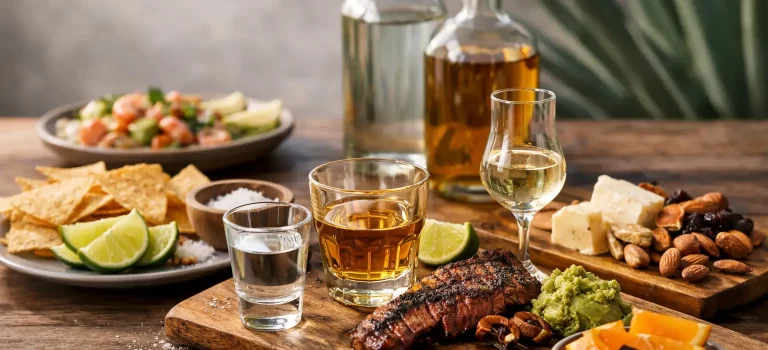
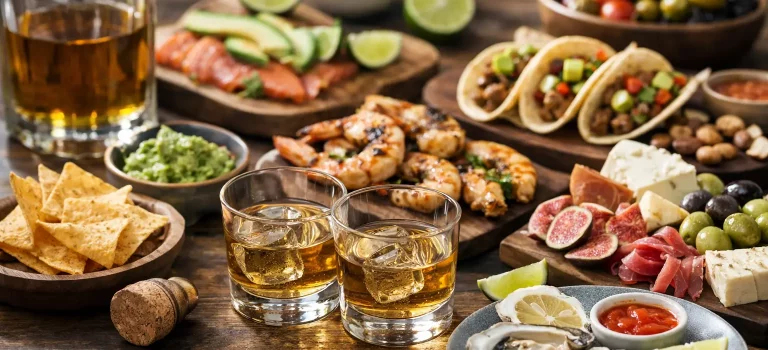
Food pairings elevate the experience even further. Chocolate, local bites, citrus, salts, and savory accompaniments can reveal hidden notes in the glass. A well-chosen pairing can soften alcohol heat, highlight minerality, or pull out fruit you did not notice at first sip. This is where tasting turns truly sensory.

Why boutique tasting rooms stand out in Cabo

Cabo offers plenty of nightlife, but boutique spirits experiences fill a different need. They are ideal for travelers who want intimacy, conversation, and quality over volume. Instead of competing with a crowd, you get a setting where questions are welcome and rare bottles are treated with respect.

That matters if you are shopping as well as tasting. In a curated retail environment, you are more likely to encounter small-batch labels, regional specialties, and categories many US visitors have never tried. Sotol, raicilla, bacanora, and pox can completely reshape how you think about Mexican spirits. Each brings its own geography, technique, and identity. For curious drinkers, that is part of the thrill.

This is where a place like Santos Destilados feels especially compelling. The boutique format, central Cabo location, and focus on guided education create an experience that is both convenient and genuinely distinctive. You can walk in with casual curiosity and leave with a much sharper palate, a better bottle, and a deeper appreciation for what Mexico produces beyond the obvious.

Who should book a tasting and who might prefer a walk-in

Not every visitor needs the same format. If you are traveling as a couple, celebrating something special, or entertaining friends who care about spirits, a private tasting often gives you the richest experience. You get more time, more tailored pours, and space to ask detailed questions. It feels personal and polished.

If your schedule is loose and you want something spontaneous, a no-reservation tasting can be perfect. It still offers guidance and quality, but with more flexibility. For many Cabo visitors, that balance is ideal – premium without feeling overplanned.

The choice depends on what kind of memory you want. Private tastings tend to feel more immersive and occasion-worthy. Walk-ins can be wonderfully relaxed and still far more meaningful than a generic bar stop.

What to look for before you choose

If you are comparing options for tequila mezcal tasting Cabo experiences, pay attention to the details that signal seriousness. Look for an emphasis on education, not just entertainment. Ask whether the tasting includes discussion of production methods, categories, and origin. Notice whether the bottle selection leans toward quality and small producers rather than familiar mass-market names.

Pairings are another good sign. So is a host who can explain why a spirit tastes the way it does, not just whether it is «smooth.» Smooth is easy. Insight is rarer.

Also consider atmosphere. Premium does not have to mean stiff. The best spaces feel warm, elegant, and relaxed, with enough energy to feel festive and enough quiet to let the spirits speak.

A final point worth remembering: the best bottle for you may not be the most expensive one on the shelf. Sometimes the most exciting discovery is a lesser-known producer with extraordinary character and a strong sense of place. A good guide helps you find that bottle, not the obvious trophy.

Cabo is at its best when it gives you more than a view. The right tasting offers flavor, craft, conversation, and a genuine encounter with Mexican tradition in one sitting. If you choose well, your favorite souvenir may not be the bottle you take home, but the palate you return with.

Tequila Mezcal Tasting Cabo Done Right

A good tequila mezcal tasting Cabo experience should begin with aroma, not a gimmick. Before the first sip, you should be able to smell cooked agave, earth, smoke, citrus oil, herbs, or even warm mineral notes rising from the glass. That first moment tells you whether you are stepping into a thoughtful tasting rooted in Mexican craft or just another tourist stop built around quick shots and loud stories.

Cabo has no shortage of places to drink. What sets a memorable tasting apart is context. Tequila and mezcal are often grouped together by travelers, but they are not interchangeable. One is not simply smooth and the other smoky. Each category carries region, raw material, production choices, and family tradition in the glass. When the experience is guided well, tasting becomes less about checking a box and more about understanding why these spirits matter.

What makes a tequila mezcal tasting in Cabo worth your time

If you are visiting Cabo and want something more elevated than a beachside cocktail round, a curated tasting offers a different kind of pleasure. It slows the pace. It gives shape to what you are drinking. And it replaces the usual vacation shorthand with something richer – a real introduction to Mexican distilling culture.

The difference starts with how the tasting is built. A serious host does not rush guests through pours. Instead, they guide you through categories, production methods, and sensory cues so your palate has a chance to notice texture, structure, and finish. You learn why one tequila shows bright roasted agave and pepper, while another feels rounder with vanilla and baking spice from barrel influence. You taste how a mezcal can express mountain herbs, wet stone, or gentle smoke depending on the agave and the oven.

That kind of experience is especially valuable in Cabo, where many visitors want something polished and memorable but still deeply local. The best tastings meet that moment beautifully. They feel celebratory, but never shallow.

Tequila and mezcal are cousins, not twins

A lot of confusion around agave spirits comes from oversimplifying them. Tequila must be made primarily in Jalisco, with a few authorized municipalities in other states, and true premium expressions are Tequila 100% Blue Agave. Mezcal can be made in several denominations of origin and from multiple agave varieties, which opens a far broader flavor spectrum.

That broader range is why mezcal often surprises people. Yes, some expressions are smoky, especially when agaves are roasted in earthen pits. But smoke is only one layer. Depending on the producer and region, you may also find tropical fruit, green olive, cacao nib, eucalyptus, white pepper, or salinity. The best guides help visitors move past the old stereotype that mezcal tastes like campfire.

Tequila deserves the same reset. Many American travelers arrive with memories of harsh pours and lime-salt rituals from college. A proper tasting quickly replaces that memory with something more refined. Blanco tequilas can be vivid and expressive, with clear agave character. Reposados add measured oak influence. Añejo and extra añejo can bring depth, but more age is not always better. It depends on whether you want to taste the barrel or the plant.

That trade-off matters. If your goal is to understand agave, a bright blanco or a minimally manipulated mezcal may teach you more than a heavily oaked spirit. If you love whiskey-like richness, aged expressions may feel more familiar and luxurious. A good tasting leaves room for both preferences without pretending there is only one right answer.

How a premium tequila mezcal tasting Cabo visitors love usually works

The strongest tastings are immersive without becoming academic. You should leave knowing more, but you should also feel hosted.

Usually, the experience begins with orientation. You are introduced to the categories, the regions, and the raw materials. That might include a look at different agaves, an explanation of cooking methods, or a conversation about crushing, fermentation, and distillation. These are not small details. They are the reason one spirit tastes floral and another tastes savory.

From there, the tasting itself should build intentionally. A clean sequence often starts with tequila before moving into mezcal and other regional distillates if available. That progression helps your palate register nuance before stronger smoke or funkier profiles arrive. In a boutique setting, the guide may also discuss lot size, producer style, and whether a bottle is widely distributed or difficult to find outside Mexico.

One of the most memorable technical details guests encounter is pearling. When a spirit is poured from a little height and tiny bubbles form and linger on the surface, those pearls can say something about texture, alcohol integration, and traditional production character. It is not a party trick. In the right hands, it becomes part of reading the spirit.

Food pairings elevate the experience even further. Chocolate, local bites, citrus, salts, and savory accompaniments can reveal hidden notes in the glass. A well-chosen pairing can soften alcohol heat, highlight minerality, or pull out fruit you did not notice at first sip. This is where tasting turns truly sensory.

Why boutique tasting rooms stand out in Cabo

Cabo offers plenty of nightlife, but boutique spirits experiences fill a different need. They are ideal for travelers who want intimacy, conversation, and quality over volume. Instead of competing with a crowd, you get a setting where questions are welcome and rare bottles are treated with respect.

That matters if you are shopping as well as tasting. In a curated retail environment, you are more likely to encounter small-batch labels, regional specialties, and categories many US visitors have never tried. Sotol, raicilla, bacanora, and pox can completely reshape how you think about Mexican spirits. Each brings its own geography, technique, and identity. For curious drinkers, that is part of the thrill.

This is where a place like Santos Destilados feels especially compelling. The boutique format, central Cabo location, and focus on guided education create an experience that is both convenient and genuinely distinctive. You can walk in with casual curiosity and leave with a much sharper palate, a better bottle, and a deeper appreciation for what Mexico produces beyond the obvious.

Who should book a tasting and who might prefer a walk-in

Not every visitor needs the same format. If you are traveling as a couple, celebrating something special, or entertaining friends who care about spirits, a private tasting often gives you the richest experience. You get more time, more tailored pours, and space to ask detailed questions. It feels personal and polished.

If your schedule is loose and you want something spontaneous, a no-reservation tasting can be perfect. It still offers guidance and quality, but with more flexibility. For many Cabo visitors, that balance is ideal – premium without feeling overplanned.

The choice depends on what kind of memory you want. Private tastings tend to feel more immersive and occasion-worthy. Walk-ins can be wonderfully relaxed and still far more meaningful than a generic bar stop.

What to look for before you choose

If you are comparing options for tequila mezcal tasting Cabo experiences, pay attention to the details that signal seriousness. Look for an emphasis on education, not just entertainment. Ask whether the tasting includes discussion of production methods, categories, and origin. Notice whether the bottle selection leans toward quality and small producers rather than familiar mass-market names.

Pairings are another good sign. So is a host who can explain why a spirit tastes the way it does, not just whether it is «smooth.» Smooth is easy. Insight is rarer.

Also consider atmosphere. Premium does not have to mean stiff. The best spaces feel warm, elegant, and relaxed, with enough energy to feel festive and enough quiet to let the spirits speak.

A final point worth remembering: the best bottle for you may not be the most expensive one on the shelf. Sometimes the most exciting discovery is a lesser-known producer with extraordinary character and a strong sense of place. A good guide helps you find that bottle, not the obvious trophy.

Cabo is at its best when it gives you more than a view. The right tasting offers flavor, craft, conversation, and a genuine encounter with Mexican tradition in one sitting. If you choose well, your favorite souvenir may not be the bottle you take home, but the palate you return with.

The 5 Best Things to Do in Cabo San Lucas (2026 Guide)

Cabo San Lucas is more than just beautiful beaches and spring break parties. In 2026, the trend has shifted toward curated luxury and authentic cultural experiences. Whether you are here for a romantic getaway or a group adventure, here are the five experiences you cannot leave without trying.

1. Sunset Sail to «El Arco» (The Arch)

No trip to Cabo is complete without seeing the iconic Land’s End. For a 2026 upgrade, skip the crowded water taxis and book a private sunset catamaran. Watching the Pacific Ocean meet the Sea of Cortez while the sun dips behind the limestone arch is a memory you’ll keep forever.

2. An Artisan Spirit Journey at Santos Destilados

Voted a «hidden gem» by spirit enthusiasts, a private tasting at Santos Destilados is the ultimate way to experience the real Mexico. This isn’t your typical bar crawl; it’s an education. You’ll sample rare, small-batch Mezcals and Tequilas paired with unexpected delicacies like artisanal chocolate and traditional chapulines (grasshoppers).

* Pro Tip: Book your tasting for late afternoon to kick off your evening in the downtown shop district.

https://www.tripadvisor.com.mx/AttractionProductReview-g152515-d21364157-Cabo_San_Lucas_Tequila_Tasting_Experience-Cabo_San_Lucas_Los_Cabos_Baja_California.html

3. Snorkeling at Santa Maria Bay

While Medano Beach is great for people-watching, Santa Maria Bay is a protected marine sanctuary with crystal-clear turquoise water. It’s the best spot to see tropical fish and sea turtles. Many luxury tours now offer «guided snorkeling» followed by a chef-prepared lunch on deck.

4. The San José Art Walk (Thursday Nights)

Just a short drive from San Lucas, the historic center of San José del Cabo comes alive every Thursday evening. You can wander through cobblestone streets, visit world-class art galleries, and meet local artists. It’s the perfect blend of culture, wine, and Baja charm.

5. Whale Watching (Seasonal: Dec–April)

Cabo is one of the best places in the world to see Humpback and Gray whales. In 2026, many operators have moved toward eco-friendly, silent-motor boats that allow you to get closer to these giants without disturbing them.

Beyond the Shot Glass: 3 Secrets to Identifying Truly Authentic Mexican Spirits

When people think of Tequila, they often think of salt, lime, and a quick shot. But at Santos Destilados, we believe that Tequila and Mezcal are like fine wine—they carry the soul of the earth and the hands of the Maestro Tequilero. If you want to drink like a local in Cabo San Lucas, you need to know how to spot the difference between a mass-produced «mixto» and a handcrafted masterpiece. Here are three things to look for:

  1. The «100% Agave» Rule Never settle for anything less. If the label doesn’t explicitly say «100% de Agave,» it likely contains cane sugar or corn syrup additives. These additives are the main reason for that «morning-after» headache. Authentic Tequila is made purely from the Blue Weber Agave, providing a clean, complex flavor profile that deserves to be sipped, not rushed.
  2. The Art of the «Pearling» (Las Perlas) Next time you visit a tasting room, watch the pour. When high-quality Mezcal is poured or shaken, small bubbles—called perlas—form on the surface. If the bubbles linger, it’s a sign of a well-crafted spirit with the perfect alcohol-to-water balance. Mass-produced spirits often lack this natural «pearl» effect.
  3. Complexity Over «Smoothness» Many commercial brands use additives like glycerin or oak extract to make their spirits feel «smooth.» However, authentic artisan spirits have character. You should taste the cooked agave (sweet/earthy), the minerals from the soil, and in the case of Mezcal, a delicate smoke from the underground roasting pits. Experience the Artistry in Cabo At Santos Destilados, we specialize in these nuances. From our rare Mezcals to our premium Tequila selections, every bottle tells a story of Mexican heritage. Planning a trip to Los Cabos? Join us for a guided tasting where we pair our finest spirits with traditional Mexican chocolate and even chapulines (grasshoppers) to unlock flavors you never knew existed. 👉 Book Your Private Tasting Experience.