9 Best Foods With Sipping Tequila to Serve

9 Best Foods With Sipping Tequila to Serve

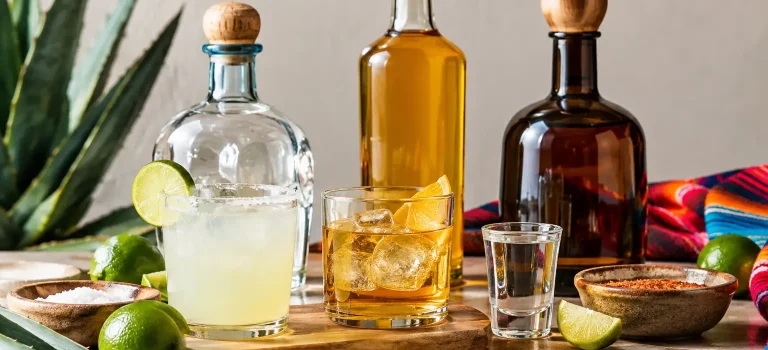
A great sipping tequila should not disappear behind a lime wedge. Give it a proper glass, a moment to open, and food with enough character to meet it there. The best foods with sipping tequila highlight its cooked agave sweetness, mineral lift, peppery spice, or barrel-aged depth without turning the tasting into a contest of flavors.

That means the familiar salt-and-lime routine is only a starting point. A bright blanco can be extraordinary with pristine seafood. A softly oaked reposado finds a natural partner in roasted corn and aged cheese. An añejo can hold its own beside chocolate, mole, or a slow-cooked bite of meat. The secret is not finding one universal match. It is choosing food according to the tequila in your glass.

How to Pair Food With Sipping Tequila

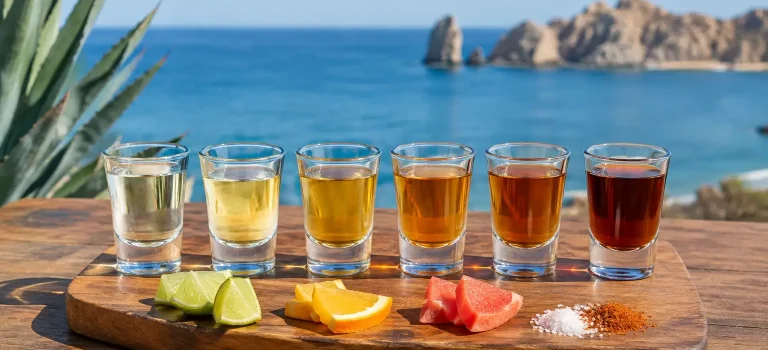
Start with the tequila’s style, not its price tag. Tequila 100% Blue Agave made in small batches can express plenty of character before it ever sees oak. Blancos often show fresh agave, citrus peel, black pepper, herbs, and sometimes a saline or earthy note. They favor clean, vivid food with acidity and freshness.

Reposados rest in oak for at least two months, picking up a rounder texture and gentle notes of vanilla, caramel, baking spice, or toasted wood. They welcome richer dishes, though they can still be overwhelmed by very sweet sauces. Añejo and extra añejo tequilas spend longer in barrel and tend toward deeper, more contemplative flavors: dried fruit, cacao, roasted nuts, leather, and warm spice. These are the bottles to treat almost like a fine aged spirit at the table.

Balance works in several directions. Acidity refreshes the palate after tequila’s natural sweetness. Salt emphasizes agave and softens bitterness. Smoke, chile, and earth can echo the spirit’s peppery or mineral side, but heat should be controlled. If the salsa leaves your mouth burning, you will miss the tequila entirely.

Temperature matters as well. Serve sipping tequila at cool room temperature, not frozen. Very cold tequila hides aromas, especially the delicate floral and cooked-agave notes that make a thoughtful pairing worthwhile. Take a small sip first, then a bite, then another sip. The change on the second sip is where the conversation begins.

The Best Foods With Sipping Tequila

1. Ceviche or aguachile with blanco tequila

Few pairings feel more at home in Cabo than a crisp blanco alongside fresh ceviche. Citrus, cucumber, cilantro, and the clean sweetness of white fish or shrimp brighten the tequila rather than burying it. Look for a blanco with herbal, peppery, or mineral notes, and keep the dish fresh instead of creamy.

Aguachile can be even more thrilling, but choose the heat carefully. A green chile aguachile with lime and cucumber is usually more graceful than a heavy red-chile version. The tequila’s agave sweetness calms the spice, while the lime pulls out its citrusy high notes.

2. Fresh oysters with a mineral-forward blanco

Oysters are a more elegant match than many visitors expect. Their brine amplifies the saline, earthy character found in certain highland or valley tequilas, while the spirit’s natural sweetness gives the oyster a fuller finish. A squeeze of lime is enough. Avoid cocktail sauce, which is usually too sweet and forceful for this pairing.

If raw oysters are not your preference, grilled oysters with just a touch of garlic butter can work beautifully with a rounded blanco or a very lightly rested reposado.

3. Tacos al pastor with a lively reposado

Pork and agave have a natural affinity, and tacos al pastor offer the right balance of richness, char, chile, and pineapple acidity. The pineapple is not a garnish here. Its sweet-tart brightness keeps the pork from feeling heavy and mirrors the fruity, caramelized character a reposado can develop in oak.

Choose a reposado with restraint. A tequila that tastes intensely woody may flatten the delicate spice blend in the adobo. The goal is a pairing that moves between roasted meat, warm agave, and a flash of pineapple, not one that tastes like a barrel with a taco beside it.

4. Roasted corn with chile, lime, and cotija

Elote or esquites bring together several tequila-friendly elements in one bite: sweet corn, salt, gentle chile, creamy cheese, and lime. With blanco tequila, make the dish brighter and lighter on the mayonnaise. With reposado, let the corn char a little more and use aged cotija for extra savoriness.

This is also a useful lesson in texture. Tequila is often perceived as lean and vibrant, so a creamy element can create contrast. The lime prevents the pairing from becoming too rich, while the chile gives the finish a welcome pulse.

5. Grilled octopus or shrimp with salsa verde

Char from the grill is a fine companion to tequila’s roasted-agave character. Grilled octopus, shrimp, or flaky local fish with salsa verde works especially well with a blanco that has a touch of vegetal or peppery energy. Tomatillo, cilantro, and serrano bring sharpness without the dense sweetness of a red sauce.

For a richer preparation with butter or a creamy puree, shift to reposado. That small adjustment matters. Food and tequila do not need to match exactly, but their weights should feel compatible on the palate.

6. Aged cheese, nuts, and dried fruit with reposado

A cheese board can be an excellent tequila course when it is built with intention. Aged manchego, cotija, or a firm sheep’s-milk cheese pairs well with reposado’s toasted, nutty notes. Add Marcona almonds, pecans, or pumpkin seeds, along with a few slices of dried apricot or fig.

Skip overly blue, aggressively funky cheeses unless the tequila is especially rich. They can make even a beautiful reposado taste bitter or hot. The best board gives the spirit room to speak, with salt, fat, and sweetness appearing in measured layers.

7. Mole with añejo tequila

Mole is not one flavor but a grand composition of chile, spice, nuts, seeds, fruit, and sometimes chocolate. That complexity can be magnificent with añejo tequila, particularly one with notes of cacao, cinnamon, dried fruit, and toasted oak. Chicken or turkey with a balanced mole is often easier to pair than an intensely rich mole over red meat.

This is a place to slow down. Take modest bites and small sips. If the mole is very sweet, choose an añejo with more spice and agave character than vanilla. If it is deeply chile-driven, a rounder, fruitier añejo may create better harmony.

8. Duck, pork belly, or slow-roasted lamb

For a dinner pairing, richer meats call for an añejo with structure but not excessive oak. Duck with a fruit glaze, crisp pork belly with a tart salsa, or slow-roasted lamb with herbs all benefit from tequila’s ability to cut fat while contributing warmth and depth.

Acid remains essential. Pickled onions, grilled citrus, pomegranate, or a bright salsa can keep the dish alive beside the barrel notes. A heavy brown sauce without a fresh element can make the entire experience feel dense.

9. Dark chocolate with cacao nibs and sea salt

Dark chocolate is the classic final pairing for a reason, especially with añejo. Choose chocolate around 65 to 75 percent cacao, where bitterness, fruit, and roasted notes remain in balance. Cacao nibs, a few toasted almonds, or a pinch of sea salt can draw out the tequila’s own notes of spice and caramelized agave.

Avoid very sweet milk chocolate with most sipping tequilas. It tends to mute their complexity. A well-made añejo does not need dessert to be sugary. It needs dessert to be precise.

A Few Pairing Mistakes Worth Avoiding

The most common mistake is treating every tequila the same way. A vibrant blanco and a deeply aged añejo may share an agave foundation, but they belong beside very different foods. Another is using spice as a substitute for flavor. Chile should create dimension, not anesthetize the palate.

Be cautious with heavily sweet desserts, syrupy barbecue sauces, and very acidic dishes without any fat or salt. Each can make tequila seem harsh, thin, or strangely bitter. When in doubt, return to three reliable anchors: a touch of salt, a little acidity, and an ingredient that respects the spirit’s agave character.

A guided tasting makes these contrasts wonderfully clear. At Santos Destilados, tasting tequila beside local flavors and artisan chocolate turns each pour into more than a drink: it becomes a small, memorable expression of Mexico’s land, craft, and hospitality.

The next time you pour a tequila worth sipping, set down more than a lime. Bring a plate that gives the agave something to say.

Best Bottles for Agave Collectors to Seek

Best Bottles for Agave Collectors to Seek

A serious agave shelf should not be a lineup of expensive trophies with similar flavor profiles. The best bottles for agave collectors reveal a place, a plant, and a producer’s point of view. One may taste of roasted pineapple and wet stone; another of black pepper, olive brine, cacao, or sun-warmed earth. That contrast is the pleasure of collecting Mexican spirits with intention.

For visitors in Cabo, the temptation is understandable: buy the most dramatic bottle, the oldest extra añejo, or the label no one at home has seen. Those can be memorable purchases. But a bottle earns lasting space in a collection when its liquid tells a clear story, not simply when its packaging occupies the most shelf space.

What Makes a Bottle Worth Collecting?

Rarity matters, but it is not the whole answer. A limited release made at industrial scale is not automatically more compelling than a regular-production tequila from a family distillery. Look instead for provenance: the named producer or distillery, the agave species, the region, the production method, and ideally the batch information.

For tequila, details such as highland or lowland origin, fermentation practices, copper versus stainless steel distillation, and barrel treatment can create meaningful differences. For mezcal, the conversation expands further: agave variety, village, roast, mill, water source, fermentation vessel, and still type can all leave their signature in the glass.

The most rewarding collection also has range. A pristine blanco, a mature mezcal, a lesser-known regional spirit, and one judiciously selected aged expression give you more to explore than five versions of the same oak-forward profile. Think of your bottles as invitations to pour, compare, and share.

Best Bottles for Agave Collectors: Start With Tequila

Tequila is often the first chapter of an agave collection, but it deserves more curiosity than the usual blanco, reposado, añejo progression. Start with a high-quality 100% Blue Weber agave blanco from a producer that makes its methods clear. Without barrel influence, blanco gives the clearest view of cooked agave, minerality, pepper, citrus, and texture.

A traditionally made blanco from the highlands of Jalisco can show floral sweetness, bright fruit, and lifted pepper. A lowland tequila may lean earthier, with green olive, herb, and mineral notes. Neither is inherently better. Together, they are a vivid lesson in terroir and production style.

A blanco with real character

Seek one bottle from a respected producer associated with traditional cooking and careful fermentation. Tequilas from houses such as Cascahuín, El Tesoro, Fortaleza, G4, and Siete Leguas are often discussed by collectors because their profiles are distinctive and their production heritage is central to the conversation. Availability changes, so the right choice is the bottle with transparent sourcing and a style you genuinely want to revisit.

Do not overlook the proof. A high-proof blanco can be thrilling, concentrating cooked agave, spice, and oils across the palate. Yet higher proof is not a shortcut to quality. If you are new to cask-strength or still-strength tequila, taste it with a small splash of water before deciding whether to buy a full bottle.

One aged tequila, chosen with restraint

A well-made reposado or añejo belongs in a collection, especially when the barrel supports rather than conceals the agave. Look for expressions with a clear aging statement and a producer whose blanco you already admire. Vanilla, toasted almond, baking spice, and caramel can be beautiful, but the agave should remain present.

Extra añejo is the category most likely to seduce buyers with luxury cues. It can offer extraordinary depth, but it is not automatically the collector’s prize. Long aging can turn tequila into something closer to oak-driven whiskey. Buy it when that is the experience you want, not because the bottle is ornate or the price is high.

Build Depth With Mezcal, Not Just Smoke

If tequila offers a focused study of Blue Weber agave, mezcal opens a vast map of Mexican landscapes. The most common mistake is treating mezcal as one smoky category. Smoke is only one possible note, and sometimes it is barely there. The real excitement lies in the diversity of agaves, communities, and distillation traditions.

A thoughtful first mezcal collection can include four distinct directions:

  • Espadín from Oaxaca, valued for its approachable balance of roasted agave, fruit, herbs, and mineral character.
  • Tobalá, which often feels more aromatic and concentrated, with tropical fruit, flowers, and a long, savory finish.
  • Tepeztate, prized for its wild intensity, green vegetal notes, and striking minerality.
  • A pechuga or other seasonal special release, selected for the producer’s craft rather than novelty alone.

Espadín is not a lesser choice simply because it is more widely available. In the hands of an exceptional mezcalero, it can be one of the most articulate and satisfying expressions on the shelf. Producers such as Vago, Rey Campero, Lalocura, Cinco Sentidos, and Del Maguey offer examples of how much personality a bottle can carry when the producer and village are named.

Wild agave bottlings require a more careful mindset. Species such as tepeztate and tobalá may take many years to mature. Their scarcity can make them alluring, but responsible collecting means asking whether the brand communicates its cultivation, harvesting, and replanting practices. A rare bottle is more meaningful when its future is considered alongside its flavor.

Make Room for Mexico Beyond Tequila and Mezcal

The most interesting agave collections eventually step outside the familiar categories. Raicilla, from Jalisco, can range from bright and tropical to funky, herbaceous, and saline. Bacanora, from Sonora, often carries desert-like herbal character and a firm, savory core. Both are wonderful choices for the collector who wants a bottle with a story few dinner guests have heard before.

Sotol is not made from agave, but it belongs naturally in the same conversation. Produced from desert spoon, it can show pine, pepper, dry grass, and an almost alpine freshness. A well-chosen sotol adds contrast to an agave collection while honoring another deeply rooted Mexican distilling tradition.

Pox, from Chiapas, is another compelling departure. Traditionally distilled from corn and sugarcane, sometimes with wheat, it brings an entirely different texture and aromatic profile. It is a beautiful reminder that collecting Mexican spirits should be about cultural breadth, not only agave taxonomy.

How to Buy Rare Bottles Without Buying Hype

Before you commit, turn the bottle around. Read the details beyond the front label. For tequila, confirm that it is 100% agave and identify the distillery. For mezcal, look for the agave type, state or village, producer, batch size, and ABV. Information does not guarantee quality, but vagueness should make a collector pause.

Taste before purchasing whenever possible. A guided tasting can save you from taking home a bottle that is technically impressive but simply not your style. It also makes subtler distinctions easier to recognize: a crisp, mineral blanco versus a sweeter one; an espadín with elegant roast versus one overwhelmed by smoke; a raicilla that feels bright and coastal versus one that is wild and rustic.

At Santos Destilados, that is the value of approaching the shelf through a tasting rather than a sales pitch. A knowledgeable guide can place a rare release in context, compare it with neighboring styles, and help you choose something that belongs in your collection rather than merely in your suitcase.

Store, Open, and Share Them Well

Keep bottles upright, away from direct sunlight and significant heat. Unlike wine, spirits do not benefit from cellar aging after bottling. Once opened, they change slowly as oxygen enters the bottle, particularly when only a small amount remains. If you are preserving a special pour for years, consider transferring the remaining spirit to a smaller clean glass bottle.

Most importantly, do not let every prized bottle become untouchable. Keep a few sealed for milestones or future comparisons, but open the bottles that call for conversation. Pour a blanco beside a mezcal. Serve a small measure of sotol before dinner. Pair an earthy, high-proof agave spirit with dark Mexican chocolate and notice what appears.

The right bottle is the one that makes someone lean closer to the glass, ask where it came from, and want to taste Mexico with more attention. That is a collection worth building.

How to Pair Tequila for a Memorable Table

How to Pair Tequila for a Memorable Table

A fine tequila should not disappear behind a lime wedge. Set beside the right bite, it becomes more expressive: cooked agave turns honeyed, pepper notes sharpen, citrus feels brighter, and a quiet oak finish can linger like a final course. Knowing how to pair tequila starts by tasting what is actually in your glass, then choosing food that gives those details room to speak.

At a Cabo table, that can mean a crisp blanco with a just-caught scallop, a rested reposado alongside grilled carne asada, or an añejo with dark Mexican chocolate after dinner. There is no single rulebook, because terroir, production, proof, and barrel aging all shape a tequila. But there are reliable principles that make every pairing feel intentional rather than accidental.

How to Pair Tequila by Reading the Pour

Start with tequila made from 100% blue Weber agave. Its character is more transparent, especially when served neat at a relaxed sipping temperature. Before bringing food into the picture, take a small sip and look for its dominant direction: fresh and herbal, citrusy and mineral, sweet with roasted agave, spicy, or round with oak.

A food pairing can work in three ways. It can echo a flavor already present in the tequila, such as matching a grassy blanco with cilantro and fresh lime. It can create contrast, such as using rich avocado or fatty pork to soften a high-proof, peppery tequila. Or it can reset the palate with acidity, salt, or a little heat.

The best pairings usually do two of these things at once. A ceviche with lime, chile, and a touch of avocado, for example, brightens a clean blanco while giving it enough richness to avoid feeling thin. The goal is not for the food to overpower the spirit or for the tequila to flatten the dish. Each sip should reveal something new in the next bite.

Consider sweetness, spice, fat, and acidity

Tequila naturally carries sweetness from agave, even when it finishes dry. That makes it especially graceful with smoky chiles, roasted vegetables, fruit, and savory dishes with a touch of caramelization. It also explains why a tequila that tastes beautifully balanced alone can feel too sweet beside a dessert with heavy frosting or candy-like sauces.

Fat is one of tequila’s great allies. The oils in seafood, the richness of cheese, and the charred edges of grilled meats round out alcohol and make peppery or herbal notes more inviting. Acidity does the opposite job: it lifts the tequila’s freshness and keeps a rich pairing from becoming heavy. Lime, tomatillo, pickled onion, tamarind, and citrusy salsas are all useful bridges.

Heat needs a more careful hand. A little chile can make agave taste fruitier and more vivid. Too much capsaicin, however, numbs the palate and makes nearly any spirit seem hotter. With fiery salsa, choose a softer reposado or offer a cooling element such as crema, avocado, or fresh cheese.

Pairing Blanco Tequila With Fresh, Bright Flavors

Blanco tequila is where many of the most vivid agave details live. Depending on the producer, it may show green pepper, citrus peel, fresh herbs, earth, olive brine, or a clean mineral edge. Because it has little or no barrel influence, it belongs naturally with ingredients that feel equally alive.

Try blanco with raw or lightly cooked seafood: oysters with a gentle mignonette, aguachile, ceviche, crudo, shrimp tacos, or grilled fish finished with lime. The saline character of seafood can pull forward a tequila’s mineral side, while citrus keeps the sip crisp. In Baja, a bright blanco with a fish taco, fresh salsa, and a warm corn tortilla is simple for a reason.

Vegetable-forward plates are equally compelling. Think roasted poblano, esquites, green salsa, nopales, avocado, cucumber, or a salad with grapefruit and chile. A peppery, highland-style blanco can stand up to vibrant herbs and sharper citrus. A more earthy tequila may feel better with mushrooms, roasted squash, or mole verde.

Blanco also has a place at the cheese board, provided the cheese is fresh rather than aggressively aged. Queso fresco, goat cheese, ricotta salata, and creamy burrata work well with fruit, nuts, and a little chile. Skip very funky blue cheese here unless the tequila is unusually high-proof and structured.

Pairing Reposado Tequila With Fire and Smoke

Reposado tequila rests in oak for a minimum of two months and up to a year. That time can add vanilla, baking spice, caramel, toasted wood, and a silkier texture without fully covering the agave. It is the most flexible choice for a meal that moves from appetizers to grilled main courses.

This is the bottle to pour with carne asada, al pastor, grilled octopus, pork belly, short rib, or chicken cooked over wood or charcoal. The char in the food mirrors barrel toast, while the tequila’s agave sweetness plays beautifully against smoke, spice, and salty seasoning. A reposado is also a fine companion to mole poblano, especially when the sauce is balanced rather than overly sweet.

For a more relaxed pairing, serve it with roasted corn, sautéed mushrooms, aged cheddar, Manchego, or a plate of dates wrapped in bacon. The key is moderation. If the food is deeply sweet, sticky, or heavily smoked, a delicate reposado can lose its shape. Choose a fuller-bodied expression, or move toward añejo.

Pairing Añejo Tequila With Richer Courses

Añejo tequila spends at least one year in oak, developing a deeper profile that may recall toasted nuts, cocoa, dried fruit, vanilla, tobacco, and warm spice. It is often treated like a whiskey substitute, but the best añejos still show their agave heart. Pair them with food that honors both sides of that personality.

Braised lamb, duck, mole negro, ribeye, or roasted pork with a fruit-based sauce can be excellent matches. The caramelized edges of these dishes meet the barrel influence, while savory depth keeps the pairing grounded. Añejo also suits aged cheeses such as Comté, nutty Gouda, or a firm Mexican cotija used sparingly.

For dessert, reach for dark chocolate with real cacao character, toasted pecans, orange peel, figs, or a restrained flan. Chocolate is especially effective because its bitterness can make añejo’s vanilla and roasted agave feel more layered. Avoid desserts that are intensely sugary. The sweeter the plate, the drier and hotter the tequila may seem.

Extra añejo deserves even more restraint. These long-aged tequilas can be magnificent after dinner with dark chocolate, a toasted almond biscotti, or simply good conversation. A complex bottle does not always need a complicated pairing.

Serve Tequila in a Way That Helps the Food

Temperature, glassware, and pacing matter. Serve sipping tequila cool but not icy, ideally in a stemmed tasting glass or a small wine glass that gathers aroma. A frozen glass can mute the floral, herbal, and roasted-agave notes you are trying to pair.

Taste the tequila before the first bite, then take another sip after chewing. If the tequila suddenly seems bitter, overly hot, or invisible, adjust the food rather than assuming the bottle is wrong. Add a squeeze of citrus, a pinch of salt, a slice of avocado, or a less spicy salsa. Pairing is a conversation at the table, not a test with one correct answer.

Cocktails can be paired too, but account for the mixer. A Ranch Water favors salty seafood and light tacos; a Paloma works with grilled chicken, fruit, and mild chile; a spirit-forward tequila Old Fashioned belongs closer to rich meats or dessert. The more sugar and juice a cocktail contains, the less detail you will taste from the tequila itself.

Build a Tasting That Feels Like Mexico

For a memorable evening, pour three expressions in sequence: blanco with seafood or vegetables, reposado with something grilled, and añejo with chocolate or a savory, aged cheese. Keep portions small and let water, plain crackers, or a simple tortilla clear the palate between rounds. The progression shows how time in oak changes tequila without losing sight of where it began: the agave.

At Santos Destilados, a guided tasting can make those distinctions wonderfully clear, especially when rare bottles, local accompaniments, and artisan chocolate enter the table. But the same spirit of curiosity works anywhere. Choose a tequila with character, make one thoughtful contrast or connection on the plate, and give yourself enough time to notice what the pairing reveals.

Tequila Food Pairing Guide for Every Pour

Tequila Food Pairing Guide for Every Pour

A great tequila pairing begins before the first sip. The bright pepper and citrus of a blanco, the soft caramel of a reposado, and the deep oak of an añejo each ask something different of the plate. This tequila food pairing guide is built for travelers, food lovers, and curious hosts who want to move beyond salt and lime and taste tequila as Mexico intended: with conversation, generosity, and food worthy of the pour.

The goal is not to make the dish disappear behind the spirit, or vice versa. It is to find a point of harmony. Sometimes that means matching flavors, such as roasted agave with grilled corn. Other times, contrast creates the magic: a crisp blanco cutting through a rich bite of tuna or a mature añejo meeting the bittersweet depth of dark chocolate.

Start With the Tequila, Not the Rulebook

Tequila is made from Blue Weber agave, but its character changes dramatically according to cooking, fermentation, distillation, water source, barrel aging, and the producer’s choices. A 100% blue agave tequila offers the clearest expression of those decisions. Before choosing food, take a small sip and notice whether the spirit leans green and herbal, citrusy and mineral, sweet and cooked-agave-forward, or round with oak.

There are useful general patterns, but no pairing should feel like a law. A peppery highland blanco can be striking with ceviche, while a more earthy, savory blanco may belong beside grilled octopus. The best approach is to taste, adjust, and let the bottle lead.

Blanco: Bright, Fresh, and Made for the Coast

Blanco tequila is usually bottled soon after distillation, preserving vivid agave notes alongside pepper, citrus peel, herbs, and minerals. Its energy makes it especially at home with fresh, saline, and acidic foods.

In Cabo, start with seafood. A clean blanco alongside ceviche highlights lime, cilantro, and the natural sweetness of the fish without making the dish feel heavy. Aguachile is another excellent match, particularly when the tequila has a crisp, mineral profile. The spirit cools the palate after serrano heat and lifts the cucumber, onion, and lime.

Blanco also loves tacos with a charred edge. Think grilled fish tacos, shrimp with a smoky salsa, or tender carne asada served simply with corn tortillas. The key is restraint. A heavily sweet sauce can make a delicate blanco seem sharp, while too much chile can flatten its aromatic side. Add fresh salsa, avocado, and a squeeze of lime, then let the agave stay present.

For a surprising pairing, try blanco with young goat cheese, fresh ricotta, or queso fresco. The creamy tang softens the tequila’s peppery lift, while herbs such as epazote, cilantro, or basil create a refreshing bridge between food and glass.

Reposado: The Versatile Dinner Table Tequila

Reposado tequila rests in oak for at least two months and up to a year. That time rounds the spirit, often adding notes of vanilla, toasted nuts, baking spice, honey, or gentle caramel while retaining its agave core. It is the most forgiving bottle at a meal because it can meet both fresh dishes and deeper, roasted flavors.

Pair reposado with pork carnitas, adobo-marinated chicken, or tacos al pastor. The light oak echoes the char from the grill or plancha, while the sweetness of cooked agave complements pineapple, roasted onions, and warm spices. If the dish is rich, look for a reposado with enough pepper and brightness to keep every bite lively.

It is also a natural companion for mole, though the specific sauce matters. A lighter, fruit-driven mole can flatter a rounded reposado beautifully. Dense, very bitter, or highly spicy mole may demand an añejo instead. Serve modest pours and taste the tequila after the food has settled on the palate. You will often find cocoa, dried fruit, and spice notes that were not obvious on their own.

Cheese opens another inviting path. A semi-aged sheep’s milk cheese, nutty Manchego-style cheese, or a creamy washed-rind selection can work well with reposado. Avoid serving everything ice-cold. Let cheese rest briefly at room temperature, and the pairing becomes far more expressive.

Tequila Food Pairing Guide for Añejo and Extra Añejo

Añejo tequila is aged for at least one year, while extra añejo spends at least three years in oak. These are contemplative styles, often layered with caramel, dried fruit, roasted nuts, vanilla, leather, cacao, and warm spice. They can be extraordinary with food, but they require balance. A fragile dish will vanish beside a deeply aged tequila, and a sugary dessert can make even an elegant añejo feel hot.

Choose dishes with richness, roast, or savory depth. Slow-cooked short rib, duck with a mole coloradito, cochinita pibil, or mushrooms grilled over charcoal can all stand up to the barrel influence. The best pairings retain an element of brightness, perhaps pickled onion, citrus, herbs, or a tart salsa, so the meal never turns overly sweet or dense.

Añejo with chocolate is a classic for good reason, but it deserves more care than a generic chocolate truffle. Choose dark chocolate with a clear cacao character, ideally not too sugary, and look for additions that complement rather than distract: toasted almond, chile, orange peel, sea salt, or coffee. Take a bite first, let it melt, then sip. The tequila’s vanilla and oak can seem almost dessert-like, while agave keeps the finish grounded.

Extra añejo is often best reserved for the final course, paired with a small portion of 70% to 80% dark chocolate, a pecan dessert with restrained sweetness, or a well-aged cheese. It can also be enjoyed without food after dinner. The trade-off is simple: the longer the barrel aging, the more the wood becomes part of the conversation. That can be luxurious, but it may hide the purest agave character that makes tequila distinctive.

Pairing Heat, Citrus, and Salt With Intention

Mexican food offers an ideal pairing vocabulary because it naturally balances chile, acidity, corn, smoke, and richness. Still, heat changes perception. Very spicy food can mute tequila’s finer aromas and make alcohol feel more aggressive. Rather than reaching for the highest-proof bottle, choose a fresh blanco or a smooth reposado and include cooling elements such as avocado, crema, cucumber, or a fresh cheese.

Acidity is generally tequila’s friend. Lime, tomatillo, pickled vegetables, and tropical fruit brighten agave and reset the palate. Salt also enhances sweetness and texture, but a heavily salted dish can make a delicate tequila feel thin. If you are serving salty snacks, offer water and keep the pour neat so guests can recognize the spirit’s true profile.

Smoke deserves a thoughtful touch. Charred vegetables, grilled meats, and toasted corn can bring out tequila’s earthy, roasted side. But if a dish is intensely smoky, it may overshadow a subtle blanco. In that case, choose a fuller reposado or shift to a different Mexican distillate for contrast.

Build a Tasting That Feels Like a Celebration

For a small group, pour three styles in order: blanco, reposado, then añejo. Serve them in small glasses at room temperature, with water close by. Begin with a fresh course such as ceviche or queso fresco with herbs, move into grilled tacos or adobo, and finish with dark chocolate or aged cheese. This progression lets the food and tequila grow richer together without exhausting the palate.

At Santos Destilados, guided tastings make this process more revealing because a knowledgeable host can point out how production choices, from agave cooking to barrel selection, appear in the glass. A rare bottle becomes more than a souvenir when you can identify the flavors that made it memorable and the dish that brought it to life.

Do not feel obligated to pair every tequila with a full plate. Sometimes the most beautiful match is a small wedge of orange, a square of artisanal chocolate, a few roasted nuts, and time to savor what the agave has to say. Let curiosity set the table, pour with intention, and allow the next bite to surprise you.

How Private Tasting Experiences Work

How Private Tasting Experiences Work

You can learn a surprising amount about Mexico from a single glass – if the tasting is done well. A private tasting is not just a better version of standing at a bar and sampling a few pours. It is a guided, intimate experience designed to help you understand what is in the glass, why it tastes the way it does, and what makes one spirit feel elegant, wild, savory, floral, or deeply rooted in place.

That is the simplest answer to how private tasting experiences work. They bring together curated spirits, an expert host, a relaxed setting, and enough time to taste with attention. For travelers in Cabo, especially those who want something more meaningful than a generic tourist activity, a private tasting can feel like an evening out, a cultural lesson, and a sensory adventure all at once.

How private tasting experiences work in practice

Most private tastings begin with curation. Rather than presenting a random lineup, the host builds a flight with a purpose. Sometimes that purpose is educational – understanding the difference between tequila and mezcal, for example. Sometimes it is regional, focused on spirits from specific parts of Mexico. Other times it is about rarity, craftsmanship, or pairing.

The private element matters. In a large public tasting, the host usually has to keep the pace broad and simple. In a private setting, the experience can shift around your interests. If you already know tequila but have never tried raicilla or sotol, the conversation can move there. If you are curious about production methods, fermentation, roasting, distillation, or aging, there is room to go deeper.

That flexibility is part of what guests are really paying for. Not only for premium pours, but for context, personalization, and a setting where questions are welcome.

It starts before the first pour

A good private tasting is shaped by who is attending. Some groups want a celebratory afternoon with beautiful pours and excellent pairings. Others want a serious comparative tasting with technical detail. Couples often want something intimate and memorable, while collectors and spirits enthusiasts may want to explore small-batch expressions they are unlikely to find at home.

Because of that, many private tastings are structured around a few basic factors: the group size, the spirits selected, the level of depth, and whether food pairings are included. A tasting built around tequila blanco, reposado, and añejo will feel different from one that compares mezcal, bacanora, pox, and sotol. Neither is better. It depends on what kind of story you want the glass to tell.

This is where a specialist host makes a real difference. Mexican spirits carry regional, agricultural, and cultural complexity. Agave species, cooking methods, still types, altitude, water source, and even local yeast can shape the final profile. In a private tasting, those details are translated into something vivid and approachable rather than academic.

The flow of a private tasting

The pace is usually intentional and unhurried. Guests are welcomed, seated, and introduced to the tasting format. The host may begin with a short explanation of what will be poured and how to taste, especially for guests who are new to agave spirits.

Then comes the first pour, often a cleaner or more delicate expression that wakes up the palate without overwhelming it. From there, the tasting may progress by intensity, region, production style, or category. The order matters more than people expect. A bright herbal tequila can prepare the palate very differently than a deeply smoky mezcal or a funky ancestral-style spirit.

At each step, the host usually guides guests through appearance, aroma, texture, and finish. This does not have to feel formal. In the best tastings, it feels conversational. You might hear about cooked agave, minerality, citrus peel, wet earth, cinnamon, cacao, green pepper, or tropical fruit. None of that is meant to intimidate. It is there to help guests notice what they are already sensing but may not yet have words for.

Some experiences also include visual demonstrations or discussion of techniques such as pearling – the observation of bubbles formed when a spirit is poured, often used in traditional settings as one clue to texture and alcohol structure. It is not a magic trick and it is not the only marker of quality, but in the right hands it becomes part of a richer conversation about craft and tradition.

Why food pairings change the experience

Private tastings often become far more memorable when they include thoughtful pairings. This is especially true with Mexican spirits, which can shift dramatically beside the right bite.

A small piece of artisanal chocolate can pull out fruit, spice, or roasted notes in tequila or mezcal. Local savory bites can highlight minerality, salinity, or herbal character. The point is not to cover the spirit. It is to reveal it from a different angle.

There is also a practical benefit. Pairings slow the pace and help guests stay comfortable, especially if the tasting includes several pours. That said, not every tasting needs a full food component. Guests who want a sharper comparative focus may prefer fewer distractions. Again, it depends on whether the goal is study, celebration, or a little of both.

What makes a private tasting feel premium

Privacy alone does not make a tasting special. The quality comes from the curation and the atmosphere.

A premium tasting usually includes spirits with a reason to be there. Small-lot tequilas, mezcals from traditional producers, lesser-known regional categories, and bottles with real provenance create a very different experience from mass-market labels. Guests can feel the difference quickly. The conversation becomes more grounded, the flavors more distinctive, and the sense of discovery much stronger.

Setting matters too. A well-designed tasting room should feel intimate, polished, and welcoming, never stiff. You want enough hospitality to relax into the experience and enough expertise to trust what you are being shown. That balance is what turns a tasting into a memory people talk about long after the trip ends.

For many visitors, this is also where retail becomes meaningful. After tasting with guidance, buying a bottle feels informed rather than impulsive. You know what you liked, why you liked it, and how it connects to a region or production style.

How private tasting experiences work for beginners and enthusiasts

One of the strongest features of a private format is that it works well for very different levels of knowledge.

Beginners benefit from structure. They learn how to nose a spirit without rushing, how to sip rather than shoot, and how to notice differences between categories that might otherwise blur together. The right host removes the pressure to know anything in advance.

Enthusiasts benefit from access. They can ask more technical questions, compare unusual expressions, and spend time on details that would be skipped in a broader group setting. They are also more likely to encounter bottles outside the usual export conversation – spirits with strong regional identity, limited production, or methods that are still deeply tied to local tradition.

That range is especially appealing in a destination like Cabo, where a group may include one serious spirits collector, one cocktail lover, and two people who simply want a beautiful, authentically Mexican experience. A private tasting can hold all of that without feeling watered down.

What to expect as a guest

If you have never booked one before, the etiquette is refreshingly simple. Arrive ready to taste slowly, ask questions, and stay open-minded. You do not need to memorize categories or tasting terms. Curiosity is enough.

It helps to avoid strong perfume or cologne, since aroma is a major part of the experience. Eating beforehand is wise unless food pairings are substantial. And while some guests worry about saying the wrong thing, there is no wrong way to describe what you taste. Personal impressions matter. The host is there to refine them, not correct them.

Timing can vary, but most private tastings feel best when they are not rushed. Too short, and the conversation stays surface-level. Too long, and palate fatigue can set in. The sweet spot is usually enough time to explore several pours with focus while still keeping the energy lively.

The real value is context

Anyone can pour a spirit. What makes a private tasting worth seeking out is the meaning around the pour.

When the experience is done with care, you leave understanding more than flavor. You begin to recognize the labor behind the harvest, the role of regional techniques, the difference between industrial scale and handcrafted production, and the extraordinary breadth within Mexican spirits. Tequila stops being a single category. Mezcal stops being shorthand for smoke. Sotol, raicilla, bacanora, and pox stop sounding obscure and start feeling alive, distinct, and worth remembering.

At Santos Destilados, that is exactly where the experience becomes special – not in showing off complexity for its own sake, but in making it welcoming, delicious, and deeply human.

The best private tastings do not ask you to become an expert in an hour. They simply give you a better way to taste, and once you have had that, every future glass becomes more interesting.

Agave Spirits Explained for Curious Drinkers

Agave Spirits Explained for Curious Drinkers

A well-poured glass can tell you where it came from before anyone says a word. The aroma of roasted agave, the mineral edge of a mountain-grown plant, the soft sweetness of a slow cook in masonry ovens – agave spirits carry place, process, and tradition with unusual clarity. For travelers in Cabo and curious drinkers alike, that is what makes them so captivating. They are not one category with different labels. They are a family of Mexican distillates with distinct identities, each shaped by landscape, technique, and culture.

What are agave spirits?

Agave spirits are distilled beverages made from agave or, in some cases, from plants closely tied to the broader tradition of regional Mexican distillation. The phrase is useful because it opens the door beyond tequila. Most visitors arrive knowing tequila and perhaps mezcal. Then they discover raicilla from Jalisco, bacanora from Sonora, sotol from the north, and pox from Chiapas, each with its own story and sensory profile.

That broader view matters. If you treat every Mexican spirit as a variation of tequila, you miss the agricultural and cultural richness that makes these bottles worth seeking out. Some are bright and citrusy. Others are earthy, savory, floral, or deeply smoky. Some come from highly regulated appellations with large global recognition, while others remain small-batch, regional, and harder to find outside Mexico.

Why tequila and mezcal are not the whole story

Tequila often serves as the introduction because it is the best known. True tequila is made primarily in Jalisco and a few designated regions, and it must use Blue Weber agave. When labeled Tequila 100% Blue Agave, it is made entirely from that agave without added non-agave sugars. Within tequila, production choices still create major differences. Highland tequila can show more fruit and floral lift, while lowland expressions may lean herbal, peppery, or more grounded.

Mezcal is broader in personality and raw material. It can be made from different agave species, in multiple states, and often carries a stronger imprint of artisanal production. Roasting the agave in underground pits can bring smoke, but smoke alone is not the definition of quality mezcal. A compelling mezcal may also show tropical fruit, wet stone, green herbs, leather, cocoa, or wildflower notes. The best examples feel layered rather than loud.

That distinction is where many tastings become memorable. A guest expecting one familiar flavor often finds an entire spectrum instead. Suddenly the category shifts from a souvenir purchase to a cultural deepening.

The agave spirits worth knowing beyond the usual names

Raicilla has long lived in tequila’s shadow, though it deserves far more attention. Made in Jalisco, often in small quantities, it can be wildly expressive. Some bottlings are grassy and bright. Others turn savory, funky, or softly fruity. Raicilla often surprises seasoned tequila drinkers because it feels both connected to Jalisco and refreshingly outside tequila’s polished profile.

Bacanora comes from Sonora and is traditionally made with Agave angustifolia. It can offer a striking balance of desert aromatics, herbal freshness, and gentle smoke. There is a clarity to many bacanoras that feels windswept and dry, with a clean finish that invites another sip.

Sotol is technically made from a desert spoon plant rather than agave, but it belongs naturally in the conversation because of its production heritage and place in northern Mexican distillation. Its profile can be green, spicy, mineral, and almost alpine at times. For drinkers who love earthy complexity without the sweetness found in some tequilas, sotol is often a revelation.

Pox is another category that broadens the story. Traditionally associated with Chiapas, it is not an agave spirit in the strict sense, but it reflects the same regional depth that defines Mexico’s finest artisanal distillates. Including it in a guided tasting creates useful contrast and shows how diverse the country’s spirits traditions really are.

What shapes the flavor in agave spirits

The plant itself is only the beginning. Agave species matter, of course, but so do maturity, soil, elevation, rainfall, and harvest timing. A mature agave can take years, sometimes well over a decade, before it is ready. That long life in the field is one reason these spirits can express terroir with such intensity.

Cooking method changes everything. Brick ovens, autoclaves, pit roasting, and above-ground ovens each affect sweetness, texture, and aromatic range. Fermentation can happen in wood, stone, or steel, with ambient yeasts or cultivated ones. Distillation may take place in copper pots, clay stills, or hybrid equipment. Every choice leaves a mark.

Then there is the human factor. Two producers working with the same agave in the same region can craft spirits that feel completely different. One may favor precision and brightness. Another may lean into rustic structure and bold aromatics. Neither approach is automatically better. It depends on the producer’s philosophy and the drinker’s palate.

How to taste agave spirits with more confidence

A good tasting begins before the sip. First, take in the aroma without rushing. Fine agave spirits often open in stages, especially at room temperature. You may catch cooked agave first, then herbs, fruit, pepper, smoke, or mineral notes.

On the palate, let the spirit move across your tongue rather than throwing it straight back. Texture tells you almost as much as flavor. Some spirits feel silky and rounded. Others are lean, vivid, and electric. A traditional point of interest in certain mezcals is pearling, the ring of bubbles that can form when the spirit is poured. It is not a gimmick. In the right context, it can offer clues about alcohol content and structure, though it should never replace careful tasting.

The finish is where quality often reveals itself. Better bottles linger with clarity. Instead of sharp alcohol heat and little else, you get a graceful trail of minerals, spice, roasted agave, herbs, or floral lift.

Pairing also changes perception. A sip alongside artisanal chocolate, citrus, or a savory bite can draw out dimensions you might miss on its own. That is one reason a guided tasting with thoughtful accompaniments feels so much richer than a quick sample at a crowded bar.

Common misconceptions about agave spirits

One of the biggest misconceptions is that smoky means authentic. Some mezcals are smoky because of pit roasting, but smoke should be one note among many, not the entire performance. Another is that clear spirits are young and lesser, while aged expressions are automatically superior. In agave categories, unaged bottles often show the truest character of the plant and the producer. Oak can add beauty, but it can also cover detail.

There is also a persistent belief that premium always means smoother in a generic sense. In reality, some extraordinary spirits are intentionally vivid, earthy, or structured. They are not designed to disappear. They are designed to speak.

Why context makes the experience better

Tasting without context can be pleasant. Tasting with context can be unforgettable. Once you understand why one spirit smells of mountain herbs and another of roasted fruit and stone, the glass becomes more than a drink. It becomes a map of Mexican craft.

This is especially meaningful in a destination like Cabo, where many visitors want more than another standard vacation activity. They want something intimate, flavorful, and genuinely rooted in place. A curated experience with expert guidance turns curiosity into confidence. It also helps you buy more intelligently, whether you are choosing a celebratory bottle, a rare small-batch label, or a gift with real provenance.

That is the difference between tasting and truly learning to taste. At Santos Destilados, that sense of discovery is part of the pleasure – an invitation to understand what is in the glass, where it was born, and why it could only come from Mexico.

If you are just beginning, start broad rather than chasing one famous name. Let your palate meet several regions, production styles, and categories. The right bottle is not always the most expensive or the most familiar. Often, it is the one that makes you pause, smile, and ask for the story behind it.

Reposado vs Añejo Tequila: What to Order

Reposado vs Añejo Tequila: What to Order

You can learn a lot about a tequila drinker from the moment they hesitate over one question: reposado vs añejo tequila. One usually promises brightness with a polished edge. The other leans deeper, richer, and more contemplative. Neither is automatically better. The right choice depends on what you want in the glass – fresh agave character, barrel influence, food pairing potential, or a slow sip that lingers long after sunset.

For travelers in Cabo and for anyone building a more serious appreciation of Mexican spirits, this distinction matters. Tequila is not a single flavor profile. It is a category shaped by blue agave, place of origin, cooking, fermentation, distillation, and then, in some expressions, time spent in wood. Reposado and añejo sit close together in the tequila family, but they offer very different experiences.

Reposado vs añejo tequila: the core difference

The technical difference begins with aging. Reposado tequila is aged in oak barrels for at least two months and up to one year. Añejo tequila is aged for more than one year and up to three years. That may sound straightforward, but the sensory effect is far more interesting than the calendar alone suggests.

Reposado, which means «rested,» often keeps one foot firmly in the agave field. You still get the green, herbal, citrus, peppery, and earthy notes that define tequila at its best, but they are softened by time in wood. Barrel aging can add vanilla, light baking spice, caramel, honey, toasted coconut, or a touch of almond, depending on the cask and the producer’s style.

Añejo, meaning «aged,» spends longer in oak and generally takes on a darker, rounder profile. The barrel becomes more vocal. You may find richer notes of toffee, cacao, dried fruit, warm spice, roasted nuts, tobacco, or even a whiskey-like sweetness. The texture also tends to feel silkier and more layered.

That said, aging is only part of the story. A beautifully made reposado from a high-quality distillery can be more expressive than a dull añejo. Production choices still matter – how the agave was cooked, how the juice was extracted, the fermentation method, the cuts during distillation, and the barrel program all shape the final spirit.

How reposado tastes in the glass

Reposado often wins over drinkers who want balance. It gives you the vivid personality of tequila without the sharper edges some people associate with younger spirits. A good reposado can smell like cooked agave, orange peel, black pepper, vanilla, and a touch of oak, then finish with enough freshness to remind you that this is still an agave spirit, not a barrel-driven imitation of bourbon.

This makes reposado particularly versatile. It is excellent for sipping, especially if you want complexity without too much weight. It also performs beautifully in cocktails where you want the tequila to remain present. In a refined margarita, old fashioned variation, or tequila sour, reposado brings warmth and depth without burying the agave character.

For food pairings, reposado is often the more flexible companion. It can work with grilled seafood, pork, roasted vegetables, mole with lighter spice, and even artisanal chocolate if the barrel notes are subtle rather than dominant. It carries enough structure to stand beside savory dishes, but enough brightness to stay lively.

How añejo tastes in the glass

Añejo is usually where tequila begins to court whiskey and cognac drinkers. The longer barrel aging develops a denser aromatic range and a more luxurious mouthfeel. A fine añejo may open with vanilla bean, cinnamon, butterscotch, oak, and dried fig, then reveal cooked agave underneath if the producer has allowed the raw material to remain visible.

The best añejos do not taste like wood first and tequila second. They offer integration. You should still sense the sweetness and minerality of blue agave, only now wrapped in mature barrel notes. When that balance is right, añejo can be remarkably elegant.

This category is generally better suited to slow sipping than to casual mixing. You can use añejo in cocktails, and in some spirit-forward drinks it can be gorgeous, but many bottles are nuanced enough that shaking them into oblivion feels like overdressing for the beach. If you are pouring añejo, neat or with just a few drops of water is often the better move.

With food, añejo tends to favor richer pairings. Think dark chocolate, aged cheese, roasted meats, desserts with caramel or spice, and courses where texture matters as much as aroma. It is less about refreshment and more about depth.

Reposado vs añejo tequila for sipping

If your goal is a neat pour before dinner or at golden hour, reposado offers a more animated profile. It tends to show more citrus, pepper, herbs, and agave sweetness. You notice movement. There is lift and energy in the glass.

Añejo, by contrast, is often the after-dinner choice. It invites a slower pace. The oak rounds the spirit, softens the sharper edges, and stretches the finish. If you love layered, dessert-like notes and a fuller body, añejo may feel more luxurious.

But this is where personal preference matters more than hierarchy. Some seasoned tequila lovers return to reposado again and again because it preserves more of the agave’s natural voice. Others prefer añejo because the barrel creates familiarity, especially for those coming from whiskey. The better question is not which one is superior. It is which one tells the story you want to taste.

Which is better for cocktails?

Reposado usually has the advantage in cocktails. Its structure is sturdy, but its agave character still cuts through citrus, bitters, syrups, and liqueurs. It adds polish without disappearing. In premium cocktail programs, reposado often hits the sweet spot between complexity and clarity.

Añejo can be beautiful in spirit-forward drinks where there are very few competing ingredients. It can make an exceptional old fashioned-style cocktail or a restrained Manhattan riff with tequila at the center. Still, it is a less forgiving choice in bright, acidic cocktails because the delicate barrel notes can get lost.

If you’re ordering at a bar and want one safe rule, choose reposado when freshness and versatility matter. Choose añejo when the drink is built to honor the base spirit.

Price, prestige, and a common misconception

Añejo is often more expensive than reposado because it spends longer in barrel, ties up inventory, and loses volume over time. That price difference can make people assume añejo is always the premium choice. Not necessarily.

Higher price reflects longer aging, not guaranteed better craftsmanship. Some producers use oak with restraint and skill, creating reposados of remarkable precision. Others overdo barrel influence in añejo, masking the agave entirely. For serious tequila drinkers, too much wood can be a flaw, not a luxury.

This matters when shopping for a bottle. If you want to taste Mexico’s most iconic spirit in a way that still celebrates agave, do not overlook reposado. If you want a richer, more contemplative style, añejo may be exactly right. Prestige should follow quality, not just age statement.

How to choose the right bottle for your palate

If you usually drink blanco tequila, mezcal, or crisp, mineral spirits, reposado may feel like the natural next step. It gives you more roundness while preserving freshness. If you gravitate toward bourbon, aged rum, or cognac, añejo may feel more immediately familiar.

Think about occasion, too. Reposado suits social sipping, cocktails, and pairings across a full meal. Añejo is often better when the moment is slower and the pour is the event itself. One is not more authentic than the other. Both are legitimate expressions of tequila when made with care.

At a guided tasting, this comparison becomes especially vivid because you can watch the category shift from agave-forward to barrel-influenced sip by sip. You begin to notice where vanilla comes from, how oak shapes texture, and whether the finish ends with pepper, caramel, or cooked agave sweetness. That is when tequila stops being a souvenir bottle and becomes a cultural language.

In a place devoted to small-batch Mexican spirits, this is exactly the kind of side-by-side conversation that changes how people drink. A thoughtful reposado and a well-made añejo can each be memorable for different reasons. The pleasure is in learning why.

So if you’re choosing between the two tonight, trust the mood as much as the label. Reach for reposado when you want brightness with depth. Reach for añejo when you want depth with a velvet edge. Either way, the best glass is the one that still lets the agave speak.

Private Tasting vs Group Tour in Cabo

Private Tasting vs Group Tour in Cabo

Some travelers want the lively buzz of a shared outing. Others want a quiet pour, a good question, and enough time to taste what is actually in the glass. When you are weighing a private tasting vs group tour in Cabo, the better choice usually comes down to one thing – what kind of memory you want to take home.

A group tour can be social and easy. A private tasting can feel richer, more personal, and far more revealing, especially when the goal is to understand tequila, mezcal, and other Mexican spirits beyond the usual vacation script. Neither format is automatically better for everyone. The real difference is how deeply you want to engage with the story, the craft, and the flavor.

Private tasting vs group tour: what changes the experience?

At first glance, both options seem similar. You taste spirits, learn a little history, and enjoy a guided experience. But the shape of the experience is very different.

A group tour is built for movement and momentum. It often follows a set route, a fixed timeline, and a shared script that works for a wide range of guests. That can be ideal if you want a casual introduction, enjoy meeting other travelers, or simply want a fun stop during a full Cabo itinerary.

A private tasting is built around attention. The pacing is slower. The conversation can go deeper. The pours can become more intentional. Instead of trying to keep a large group aligned, the host can focus on what you are noticing – smoke, minerality, cooked agave sweetness, herbal lift, texture, finish, even the visual pearling that reveals alcohol structure and body.

For guests who care about provenance, production, and the distinctions between categories, that difference matters. Tequila 100% Blue Agave is not mezcal. Sotol is not raicilla. Bacanora and pox carry their own regional identity, raw material, and production logic. In a private setting, those details do not get rushed.

When a group tour is the right call

Group tours have real advantages, and they should not be dismissed as lesser experiences. In the right moment, they are exactly what a trip needs.

If you are traveling with a broad mix of personalities, a group format can be easier. It creates energy without requiring everyone to be equally curious about fermentation, roasting methods, or the difference between copper and clay distillation. There is comfort in the structure. You show up, follow the plan, and enjoy the atmosphere.

A group tour can also work well for first-time agave drinkers who want a low-pressure introduction. If someone in your party is mezcal curious but not ready for a deeper educational session, a shared tasting environment can feel more approachable. There is less focus on any one person, and that can make beginners more relaxed.

Then there is the social factor. Some guests genuinely love hearing reactions around the room, comparing favorites with strangers, and feeding off that festive vacation mood. Cabo has plenty of travelers looking for exactly that.

The trade-off is that group experiences often need to stay broad. Questions may be brief. Rare bottles may not be part of the pour list. Food pairings, if included, tend to be more standardized. If you are hoping for nuanced guidance based on your palate, the format can only stretch so far.

Why private tastings feel more premium

A private tasting offers something many visitors are quietly looking for even if they do not phrase it this way: intimacy with context.

That means your host can tailor the experience to your interests. If you usually drink bourbon, the tasting can lean into barrel influence, structure, and spice. If you love wine, the conversation may turn toward terroir, altitude, varietal expression, and mouthfeel. If you are a collector, you may care more about small-batch production, difficult-to-find labels, and what makes one bottle worth bringing home over another.

It also means the room feels different. Instead of competing with the rhythm of a large group, you can settle into the sensory side of the experience. You notice aroma more clearly. You compare one finish against another. You taste a chocolate pairing and realize how dramatically it changes a spirit’s profile. You ask why one mezcal shows tropical fruit while another leans saline and savory. That is where tasting becomes discovery rather than just consumption.

For couples, families, corporate groups, or friends celebrating something special, private tastings also bring a sense of occasion. The experience feels hosted rather than processed. In a destination like Cabo, where premium experiences are everywhere but true cultural depth is not, that distinction is valuable.

Private tasting vs group tour for learning about agave spirits

If your goal is education, private usually wins.

That does not mean a group tour cannot teach you anything. A good group host can absolutely explain category basics and production steps. But private settings allow for more complete answers and better pacing. You can stop at the point of genuine curiosity rather than the point where the group needs to move on.

This is especially useful with Mexican spirits because the category is wide and often misunderstood. Many visitors arrive thinking tequila and mezcal are close cousins separated mostly by smoke. In reality, the differences can include agave species, geography, cooking method, milling, fermentation environment, still type, proof, and local tradition. Add in sotol, raicilla, bacanora, and pox, and the conversation becomes much more layered.

A private tasting gives these distinctions room to breathe. It also creates space for technique. You can learn how to nose a spirit without overwhelming the palate, why texture matters, what pearling can suggest, and how to identify whether sweetness comes from cooked agave, oak, or added flavor impressions from a pairing.

For many guests, that level of understanding becomes the best souvenir of the trip. Bottles are wonderful, but knowing what you love and why is even better.

The atmosphere matters more than most people think

People often compare private and group experiences by price or exclusivity. Atmosphere deserves equal weight.

A lively group can be fun. It can also become noisy, rushed, or tilted toward the most extroverted people in the room. If you are trying to savor subtle spirits, ask thoughtful questions, or share a refined experience with someone important to you, too much group energy can flatten the moment.

Private tastings invite a different tempo. There is more ease, more focus, and usually more hospitality. The host can read the room and adjust naturally. Some guests want deep production details. Others want a luxurious, culturally grounded introduction with great pairings and beautiful pours. Both can be accommodated without losing the sense of polish.

That flexibility is especially appealing for travelers who want to avoid generic tourist experiences. A private format feels closer to being welcomed in than being moved through.

What to choose in Cabo

If your priority is social fun, a simple introduction, or fitting one more activity into a busy day, a group tour may be the better match. It keeps things light and easy.

If your priority is quality time, expert guidance, rare spirits, thoughtful pairings, and a more authentic understanding of Mexico’s distilling traditions, choose the private tasting. It is particularly rewarding if you already enjoy premium spirits, care about craftsmanship, or want an experience that feels worthy of Cabo rather than interchangeable with any tourist stop.

For many travelers, the sweet spot is not just private versus group. It is choosing a place that can deliver intimacy, expertise, and genuine Mexican hospitality without making the experience feel stiff. That is where a curated tasting room stands apart. At Santos Destilados, for example, the experience is designed to go beyond a quick sip and into the craft itself – from distillation and category differences to food pairings and the pleasure of discovering bottles you are unlikely to find back home.

The best choice is the one that matches your curiosity. If you only want a taste, a group tour can be enough. If you want the story behind the spirit, the producer behind the label, and the chance to refine your palate while enjoying something memorable, private is hard to beat.

A fine agave spirit always carries more than flavor. It carries landscape, labor, technique, and time. Choose the format that lets you truly notice.

How to Pair Mezcal With Food

How to Pair Mezcal With Food

A bright, mineral mezcal beside grilled octopus can feel almost electric. A softer, fruitier pour next to mole turns deep and resonant. If you have ever wondered how to pair mezcal with food, the answer is not simply smoke with smoke or spice with spice. Great mezcal pairing is about structure, aroma, texture, and the particular personality of the agave in the glass.

That is what makes mezcal such a thrilling partner at the table. Unlike many spirits, mezcal can move from crisp and herbal to savory, floral, tropical, earthy, saline, or gently smoky, depending on the agave, the producer, the region, the roast, and the still. Treating every mezcal as one flavor leads to clumsy pairings. Treating it as a spectrum opens the door to something far more memorable.

How to pair mezcal with food without overpowering the plate

Start by thinking about weight. A delicate mezcal can disappear next to a rich dish, while a bold, intensely rustic expression can flatten subtle seafood or fresh vegetables. Pairing works best when the spirit and the food speak at a similar volume.

A joven espadin with citrus, green herbs, and a light mineral edge often shines with ceviche, crudo, grilled shrimp, or oysters. It lifts the dish rather than crowding it. On the other hand, a denser mezcal with earthy, roasted, or leathery notes can stand up to short ribs, barbacoa, lamb, or a deeply layered mole.

Acidity matters too. Foods with lime, tomatillo, pickled onion, pineapple, or vinaigrettes can make mezcal feel fresher and more expressive. Fat matters just as much. Avocado, pork belly, aged cheese, or duck can soften mezcal’s edges and allow sweeter or fruit-driven notes to emerge.

This is where many pairings go wrong. People focus only on smoke, when mezcal is often more about minerality, salinity, herbs, fermentation character, and texture. Smoke can be part of the equation, but it should not be the entire plan.

The flavor map behind mezcal pairings

If you want a practical way to choose, sort mezcal into broad flavor families rather than obsessing over one rule.

Herbal and mineral mezcals tend to work beautifully with raw or lightly cooked seafood, bright salsas, citrus-dressed vegetables, goat cheese, and dishes with fresh green herbs. These mezcals feel brisk and clean, so they reward food with lift and snap.

Fruit-forward mezcals, especially those that show stone fruit, tropical notes, or a touch of sweetness, are excellent with grilled white fish, roast chicken, glazed carrots, squash, mango salsa, and dishes with corn. They can also be lovely with mild heat, because fruit softens spice without muting it.

Earthy and savory mezcals have a natural affinity for mushrooms, huitlacoche, mole negro, roasted meats, charred onions, and long-cooked preparations. These are pairings built on depth. They do not need to be heavy, but they should have some grounding.

Floral mezcals can be magical with fresh cheeses, delicate desserts that are not too sweet, and dishes that use edible flowers, fennel, anise, or fragrant herbs. They require restraint. Too much salt, too much chile, or too much oak from the food can erase their elegance.

Smoke is a tool, not a shortcut

One of the most common mistakes in mezcal service is matching smoky mezcal with the smokiest dish on the menu. Sometimes that works, especially with grilled meats or vegetables kissed by fire. But often it creates a wall of char.

A better move is contrast. Smoky mezcal can be excellent with creamy elements like burrata, queso fresco, sweet corn puree, or chocolate. It can also play beautifully against fresh acidity, as in aguachile or ceviche. The smoke becomes more dimensional when the plate gives it something to push against.

Best foods to serve with mezcal

Some pairings are reliable because they honor both regional cuisine and the spirit’s natural structure. Seafood is one of mezcal’s strongest companions, particularly when the preparation keeps some brightness. Grilled octopus, tuna tostadas, shrimp with chile and lime, and Baja-style fish all give mezcal room to show salinity, citrus, and savory depth.

Corn-based dishes are another smart choice. Fresh tortillas, tetelas, esquites, tamales, and masa-forward bites create a gentle, warm base that lets the agave speak. Corn has sweetness, texture, and a sense of place that feels deeply at home with mezcal.

Cheese works better than many people expect, especially when you avoid overly aggressive blue cheeses. Fresh goat cheese, Oaxaca cheese, manchego, and aged but not overpowering cheeses can highlight mezcal’s fruit, herbs, and roast notes.

Chocolate deserves special attention. Not every mezcal belongs with chocolate, but the right pairing can be unforgettable. A more savory, earthy mezcal with dark chocolate often reveals notes of cacao nib, roasted nuts, and spice. A floral or fruitier mezcal may pair better with chocolate that includes orange, cinnamon, sea salt, or a touch of chile. The trade-off is sweetness. If the chocolate is too sugary, the mezcal can taste thin or hot.

Spicy food and mezcal

Mezcal and chile can be a beautiful match, but balance matters. Alcohol amplifies heat, so a very high-proof mezcal next to an aggressively spicy dish can feel punishing rather than pleasurable.

When the food has serious heat, look for mezcal with fruit, softness, or a rounder mouthfeel. The goal is not to fight the chile. It is to frame it. Salsas with smoked chile, mole coloradito, or dishes with gentle warming spice tend to pair more gracefully than food designed to test your tolerance.

How to build a mezcal pairing at home

The easiest way to learn how to pair mezcal with food is to taste with intention. Pour small servings and compare them across a few bites instead of committing a full glass to one plate. Mezcal changes in the glass, and it changes again once food enters the conversation.

Begin with one mezcal and one dish, then add a garnish or accompaniment. A squeeze of lime, a pinch of sal de gusano, a slice of orange, a piece of dark chocolate, or a roasted nut can reveal what the pairing needs. Sometimes the spirit is right and the missing element is acid, fat, salt, or sweetness.

Temperature also affects the experience. Mezcal is usually best at room temperature, where its aromas stay open and layered. Food that is too cold can mute the pairing. Food that is too hot, especially straight from the grill, can make the alcohol feel sharper. Give both a moment to settle.

If you are serving several courses, move from lighter and brighter styles to deeper and more robust ones. Think of it like a tasting menu. A lively, green mezcal with seafood can lead into a richer expression with roasted meat or mole, and finish with a thoughtful chocolate pairing if the mezcal supports it.

Pairing by agave style and production character

Espadin is often the most versatile place to start because it can show citrus, herbs, smoke, and sweetness in balanced proportions. It handles a wide range of foods and is ideal for comparative tastings.

Tobala often brings perfume, fruit, and delicacy. It deserves dishes with refinement rather than brute force. Ceviche, sashimi-style preparations, fresh cheese, and elegant vegetable dishes can be stunning here.

Tepeztate or other more assertive agaves may offer intense herbal, green, or wild notes. These can work with strongly seasoned dishes, but they can also surprise you with simple foods that allow their complexity to remain center stage.

Production matters as much as agave. Clay pot distillation can lend texture and earthiness. Copper can present cleaner lines. A deeper roast can increase savory or smoky notes. Wild fermentation can add fascinating funk. These details are not trivia at the table. They help explain why one mezcal sings with grilled mushrooms while another belongs next to scallops.

For guests who want to experience this level of nuance in Cabo, a guided tasting at Santos Destilados can make the learning curve feel joyful rather than technical. With the right flight and a few thoughtful bites, mezcal pairing stops being guesswork and starts becoming instinct.

The real pleasure of mezcal at the table is that it rewards curiosity. Taste slowly, let the food change the spirit, and trust your palate when a pairing suddenly clicks. That moment is where a good meal becomes a memory.

A Guide to Tequila Aging Categories

A Guide to Tequila Aging Categories

Order a tequila in Cabo and one of the first questions worth asking is not just which brand, but which age. A good guide to tequila aging categories changes the entire tasting experience because the difference between a vivid blanco and a deep extra añejo is not cosmetic – it is a story of oak, time, texture, and style.

For many visitors, tequila starts as a familiar spirit and then quickly becomes something far more expressive once the categories are understood. Aging affects aroma, color, mouthfeel, and how agave shows up in the glass. It also shapes what you should sip neat, pair with food, or use in a cocktail. If you have ever wondered why one tequila tastes bright and peppery while another leans into vanilla, cacao, and baking spice, the answer is usually resting in the barrel.

Guide to tequila aging categories: what the labels mean

Tequila aging categories are regulated terms, which is good news for drinkers. They are not vague marketing language. Each category points to a specific aging window and gives you a useful clue about what to expect.

Blanco

Blanco tequila is typically bottled unaged or rested for a very short period, generally less than two months in stainless steel or neutral containers. This is the clearest expression of cooked blue agave, and for many producers, it is the category that reveals the most about craftsmanship.

A well-made blanco often shows citrus, fresh herbs, black pepper, minerality, and that green-to-sweet agave core that enthusiasts chase. It can feel lively, crisp, and direct. If you want to understand a distillery’s identity, start here. There is nowhere to hide flaws when oak is not involved.

That said, blanco is not automatically simple. In small-batch tequila, this category can be remarkably layered, especially when production choices such as slow cooking, natural fermentation, and careful distillation are handled with precision. For pairing, blanco works beautifully with bright ceviches, fresh salsas, and citrus-driven cocktails.

Reposado

Reposado means “rested,” and the category requires aging in oak for at least two months and less than one year. This is often the bridge for people who want some softness and spice from wood without losing the freshness of agave.

Reposado can bring gentle notes of vanilla, honey, toasted coconut, caramel, and light baking spice. The best examples still let agave lead while oak plays a supporting role. Think of it as a conversation between field and barrel rather than a barrel takeover.

This category is often the crowd-pleaser in tastings because it feels rounded and approachable. It can be excellent for sipping, but it also performs well in elevated cocktails where you want more depth than blanco can offer. The trade-off is that not every reposado strikes the same balance. Some producers use the category to preserve freshness, while others push more obvious wood influence.

Añejo

Añejo tequila is aged for at least one year and less than three years in oak barrels. This is where the profile usually becomes richer, darker, and more contemplative. The agave remains important, but barrel character becomes more pronounced.

Expect notes that may include toffee, roasted nuts, dried fruit, cacao, cinnamon, tobacco, and deeper vanilla. Texture often turns silkier, and the finish can feel longer and more layered. Añejo is a natural choice for slow sipping, especially for whiskey or rum drinkers crossing into tequila with curiosity.

Still, there is an important nuance here. More age does not always mean better tequila. Some añejos are elegant and integrated, while others can become too oak-driven, masking the spirit’s origin. For drinkers who love agave clarity, añejo may feel a little too dressed up. For others, that added richness is exactly the appeal.

Extra añejo

Extra añejo is aged for at least three years in oak, and this category can be deeply luxurious. It often carries a darker color and a profile that leans into dessert-like notes – think fig, molasses, dark chocolate, coffee, leather, and polished wood.

When made with restraint, extra añejo can be magnificent. It offers concentration, softness, and extraordinary length. It can also appeal to collectors and premium spirits buyers who enjoy contemplative pours.

But this is where preference matters most. If your favorite thing about tequila is bright agave energy, extra añejo may feel farther removed from the plant than you want. If you enjoy mature Scotch, Cognac, or old rum, this category may feel instantly familiar. It depends on whether you are seeking terroir and freshness or depth and barrel influence.

How barrel aging changes tequila

Oak does more than add color. As tequila rests, the wood slowly contributes aromatic compounds and softens sharper edges. Barrels can lend vanilla, clove, coconut, toast, and sweet spice, while oxidation gradually rounds the texture and develops complexity.

The type of barrel matters too. American oak often brings sweeter notes like vanilla and caramel. French oak can show more spice and structure. Used whiskey, bourbon, or wine barrels each leave a different impression. Barrel size also changes the pace of aging, since smaller barrels create more spirit-to-wood contact.

This is why two tequilas in the same category can taste dramatically different. A reposado aged in a well-used barrel may stay agave-forward and subtle. Another reposado, aged in more active oak, can feel much richer. Category tells you the time frame, not the complete sensory picture.

Which tequila aging category is best?

The honest answer is that the best category depends on how you like to drink and what you want from the experience. If you want to taste the purest expression of blue agave, choose blanco. If you want versatility and a soft oak touch, reposado is a strong bet. If you prefer richness for slow sipping, añejo makes sense. If you are chasing luxury and concentration, extra añejo may be your lane.

There is also a situational answer. A sunny afternoon tasting with fresh seafood often makes blanco or reposado feel perfect. After dinner, with dark chocolate or a reflective final pour, añejo and extra añejo come into their own. In a guided tasting, trying the categories side by side is where the lesson becomes memorable. You do not just hear the difference – you feel it move across the palate.

A practical guide to tequila aging categories for tastings

If you are tasting tequila with intention, start with the youngest category and move toward the oldest. This keeps delicate aromas from being overwhelmed early. Begin with blanco, then reposado, then añejo, and finish with extra añejo if it is part of the lineup.

Take a moment with the color, but do not let color make the decision for you. A darker tequila is not automatically superior. Swirl gently, smell with short passes rather than one deep inhale, and notice whether the first impression is fresh agave, spice, fruit, oak, or sweetness.

On the palate, pay attention to structure. Where does the tequila hit first? Does it open bright and peppery, then soften into vanilla? Does the finish stay clean and mineral or turn warm and dessert-like? Even a small pour can reveal a surprising amount when tasted slowly.

Food can sharpen these differences. Citrus, sea salt, and fresh cheeses tend to flatter blanco. Reposado plays well with grilled dishes and nutty flavors. Añejo can be striking with mole, roasted meats, or aged cheese. Extra añejo often pairs beautifully with dark chocolate, especially when the cacao is not overly sweet. In a setting like Santos Destilados, that kind of pairing turns category into memory.

Common misconceptions about aged tequila

One common misconception is that aged tequila is more authentic than blanco. It is not. Blanco is often the most direct expression of the agave spirit and is foundational to understanding quality.

Another is that smoothness always means excellence. Smooth tequila can be lovely, but texture alone does not tell the full story. A tequila should also have character, balance, and a sense of origin. If a spirit is very soft but tastes mostly of oak and sweetness, you may be missing what makes tequila distinctive.

There is also the assumption that premium tequila must be aged. Not necessarily. Many extraordinary bottles prized by serious agave drinkers are blancos because they preserve the nuance of the raw material and production method.

The real pleasure of tequila comes from learning what each category does well. Blanco can be electric. Reposado can be graceful. Añejo can be stately. Extra añejo can be sumptuous. Once you know how age shapes the glass, ordering tequila becomes less about guessing and more about choosing the mood you want to taste.